Abbott cuts 2026 sales outlook, to spin off nutrition
Abbott cut its 2026 sales growth view and plans to spin off its nutrition business, Reuters reported, in a major reshaping of the healthcare firm.
by Trends DeskOctober 24, 20264 min read
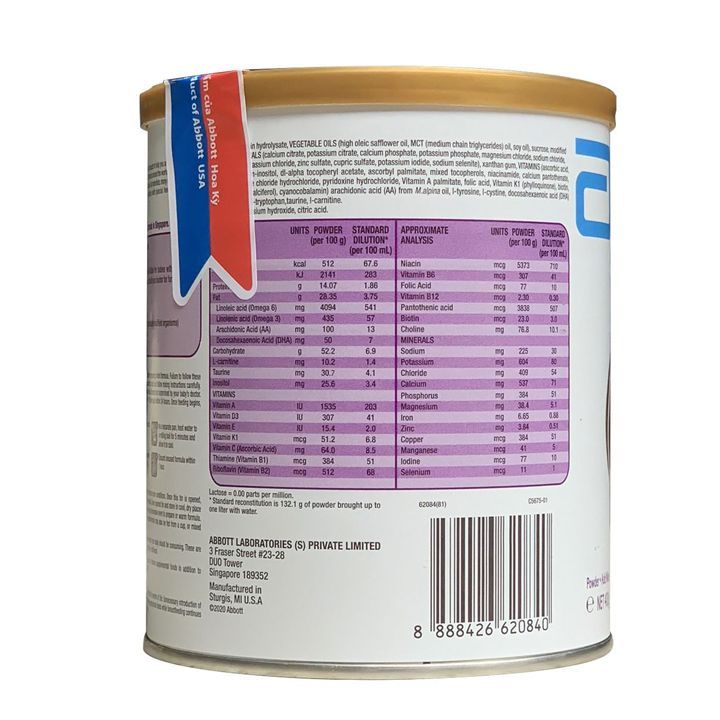
Abbott cut its 2026 sales growth view and plans to spin off its nutrition business, Reuters reported. The two moves together reshape how investors and customers should read the healthcare firm. A lower sales outlook suggests that Abbott expects slower growth than it had planned for 2026. A spin-off of the Abbott nutrition business suggests that the firm wants that unit to stand on its own, with its own management, costs and strategy. Neither move is small, and together they point to a firm that is choosing focus over size.
Abbott makes medical devices, diagnostics, medicines and nutrition products. Its nutrition range includes infant formula and adult nutrition products sold in many countries. Those products sit in a different market from devices and diagnostics, facing food regulation and retail competition. A separate Abbott nutrition business could make choices faster in that market. It could also raise its own funds and set its own priorities.
The lower 2026 sales growth view is the other half of the story. Firms cut a growth view when they see weaker demand, tougher competition, currency effects or other headwinds. Reuters reported the cut, but the headline alone does not give the size of the change or the reason behind it. Readers should therefore treat the cut as a signal, not as a full account. It shows that Abbott expects less growth than before, and it raises questions about which parts of the firm are slowing and which are holding up.
Abbott nutrition business spin-off plan
A spin-off separates a unit into a new listed firm. The new firm takes the unit, its staff and its brands. The process takes time. It needs regulatory work and a separate board and management team. Until those steps are done, customers may see little change on shelves.
For the Abbott nutrition business, the case for separation rests on focus, and the Abbott nutrition business could set its own product plans. A standalone nutrition firm can set prices, product plans and factory spending for nutrition alone. It can also be judged by investors on nutrition results alone, rather than as one part of a healthcare group. The case against separation is loss of scale. A large group can share research, distribution and buying power across units. A smaller firm loses some of that help, and it must build its own systems. Which effect wins will depend on how the spin-off is run.
Abbott nutrition business and the sales outlook
A sales outlook is a forecast, not a result. Firms set it from orders, market trends and their own plans, and they revise it when those inputs change. A cut in the 2026 view therefore tells the market that Abbott now sees a weaker path than it did before. It does not tell the market that sales will fall. Growth can still be positive, just slower than planned. That distinction matters for workers, suppliers and investors who read the headline.
The cut also raises a question about timing. Abbott announced the lower view alongside the spin-off plan, which suggests that the firm is resetting expectations at the same time as it reshapes its structure. That pairing can help investors, since it gives them a clearer base for the smaller group that will remain. It can also raise scrutiny, since investors will now watch whether the remaining firm grows faster once nutrition is removed. The next results will give the first test of that claim.
What comes next for Abbott
The next steps are practical. Abbott will need to give detail on the spin-off timetable and the costs of separation for the Abbott nutrition business. It will also need to explain which parts of its sales view changed and why. Until that detail appears, the headline is the main record. Reuters reported a cut to the 2026 sales growth view and a plan to spin off nutrition, and those two facts define the story.
For customers of the Abbott nutrition business, the near-term effect may be limited. Nutrition products will still be made and sold while the separation is prepared. For investors, the effect is more direct. They will need to judge two firms where they once judged one, including the Abbott nutrition business. The spin-off, if it goes ahead as reported, will make that choice explicit, and the lower sales view gives them a more cautious starting point for it.