
Antalya summit opens with climate finance row
The COP31 climate summit opened in Antalya with a row over climate finance, as developing nations pressed for delivery on promised funds.
by Trends DeskNovember 19, 20264 min read
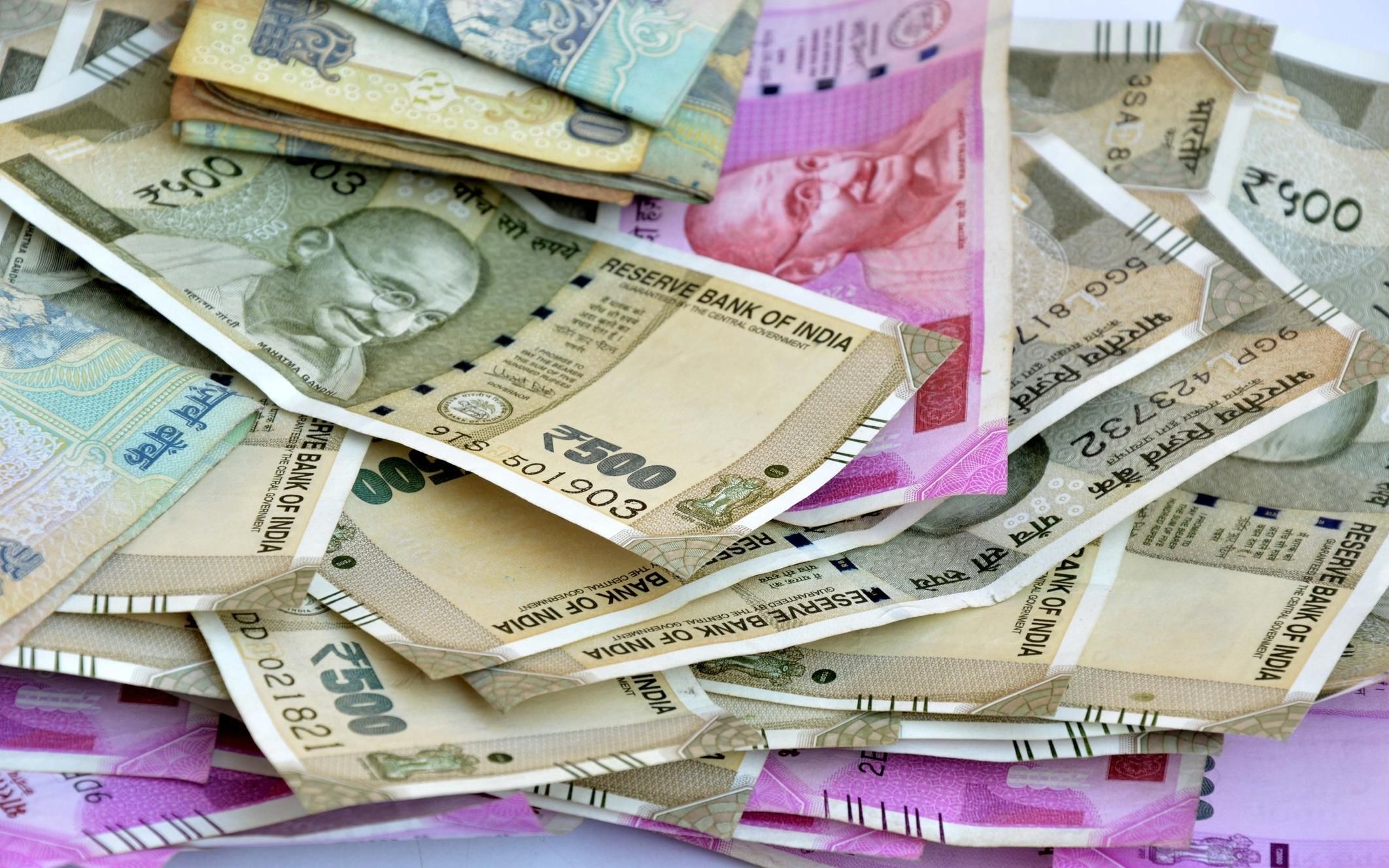
The COP31 climate summit opened in Antalya on Monday with a row over climate finance, as negotiators argued into the early hours over whether funding for developing nations belongs on the official agenda. The opening ceremony began an hour and a half late without explanation. The talks, which run from 9 to 20 November, bring together negotiators from more than 190 countries at the Antalya Expo Center. Turkey holds the COP31 presidency, while Australia is leading the negotiations under an unusual arrangement that settled a dispute over who would host the conference.
The dispute is about money, not targets. Developing countries want a work programme on climate finance on the agenda, and a separate item on tripling adaptation finance. The finance work programme was included after the late-night talks, but the African proposal for a separate item on tripling adaptation finance failed. The opening fight set the tone for the fortnight. Climate finance has been the sharpest dispute at recent summits, and Antalya opened with the same split: developing nations asking for delivery on promised funds, and richer nations resisting open-ended obligations and new pledges.
United Nations Secretary-General António Guterres told leaders to get serious, in remarks that put finance at the centre of the summit. Speaking to more than 70 world leaders at the leaders summit on 11 and 12 November, he said the world was certain to overshoot the 1.5 degree Celsius limit set under the 2015 Paris Agreement, but the breach could still be temporary if governments acted fast enough. He called for a climate justice compact built on a faster move away from fossil fuels, stronger protection for vulnerable people, affordable climate finance and deeper international cooperation. He said unabated coal should be phased out by 2040 and oil and gas use cut by a third.
Climate finance work programme makes the agenda
The numbers behind the row are stark. The United Nations Environment Programme estimates that developing countries need about $305 billion a year by 2035 just to adapt to climate change. International public funding for adaptation reached only $28.2 billion to $31.7 billion in 2024, less than a tenth of that need. Developed countries provided and mobilised $136.7 billion in climate finance in 2024, according to the latest OECD figures, less than half of the $300 billion a year commitment due by 2035. António Guterres urged developed countries to deliver at least $300 billion a year by 2035 and to set out concrete plans to at least triple adaptation finance by the same year.
Guterres also pressed the wider goal agreed at COP29 in Baku in 2024: $1.3 trillion a year to be mobilised from public and private sources. "The 1.3 trillion dollar goal must become real finance flowing to developing countries, and this demands that every source of finance pull its weight," he told leaders. Australian climate minister Chris Bowen, who is leading the negotiations, told leaders that just 0.2% of climate finance reaches small island developing states for adaptation. India has placed equity and development at the centre of its opening position, and has underlined Article 9.1 of the Paris Agreement. Article 9.1 sets out the duty of developed countries to provide financial resources to developing countries.
Climate finance gap put at $305 billion a year
The summit is the first since the United States left the Paris Agreement earlier this year, and the US sent no official negotiating delegation to Antalya. That absence has sharpened demands from developing countries that Europe and others fill the gap. A senior European Union official warned last week that there would be no political will for additional funding pledges at COP31. Turkey is promoting a voluntary target to raise electricity's share of final energy use to 35% by 2035, from around 20% today. Neither proposal answers the climate finance question, which is who pays, through which channels, and how fast the money reaches the countries that need it.
Negotiators still have to work through a crowded agenda of 104 substantive items. A session on finance and trade is scheduled for Friday, and a further high-level session will take place on 17 and 18 November for countries whose leaders did not speak during the two-day summit. Nothing is agreed yet, and final decisions depend on the negotiations running until 20 November.
Related articles in Finance
View all Finance →Browse more stories in Finance.