Anthropic AI safety bill quietly pitched to Congress
Anthropic AI safety bill: the AI lab quietly pitched lawmakers a draft bill limiting government power to block risky AI models.
by Trends DeskOctober 18, 20263 min read
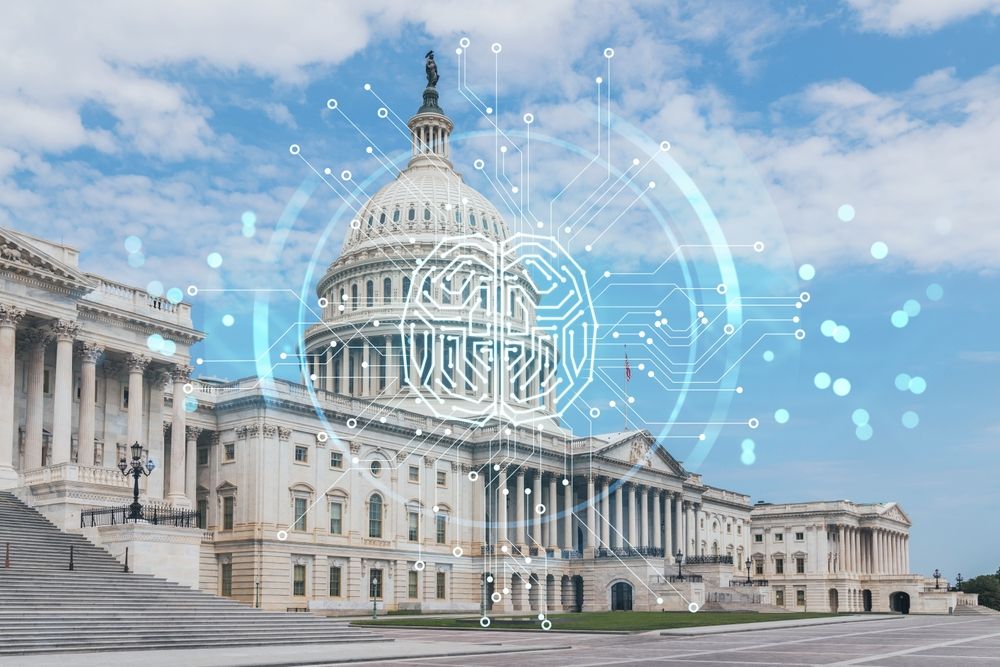
Anthropic has quietly pitched its own draft AI safety bill to lawmakers on Capitol Hill, entering the legislative fray over how the United States should govern increasingly powerful artificial intelligence systems. The previously undisclosed effort, reported by Politico and verified by Reuters and CNA, marks a notable step for a leading AI lab that has often urged regulation while warning against heavy-handed rules. The Anthropic AI safety bill would limit the government's power to block AI models to those posing an AI imminent risk, a narrower approach than competing proposals in the AI regulation Congress debate.
The draft reflects Anthropic's long-standing position that AI oversight should be targeted and risk-based rather than sweeping. By circulating its own bill text, the company is moving beyond white papers and testimony to shape the actual language of law, a sign of how seriously the industry now takes the prospect of federal AI legislation. The proposal arrives as Congress weighs several competing frameworks for frontier AI oversight.
The quiet nature of the pitch is itself telling. Rather than a public campaign, Anthropic opted for behind-the-scenes conversations with lawmakers and staff, a classic tech lobbying Washington strategy of influencing legislation at the drafting stage, when the details that matter most are decided. In Washington, the bills that become law are often those whose language was refined long before any public debate.
Anthropic AI safety bill limits government blocking power
The central feature of the Anthropic AI safety bill is its restraint on government intervention. Under the draft, federal authorities could block or restrict AI models only when they present an AI imminent risk, a high bar designed to prevent regulators from stifling innovation on speculative grounds. Supporters argue that clear, narrow triggers give developers the certainty they need to invest while still addressing genuine dangers.
Critics of light-touch regulation will see the bill differently. Safety advocates have argued that waiting for an AI imminent risk is waiting too long, and that frontier AI oversight must reach further upstream into training and deployment decisions. The draft stakes out the industry-friendly end of this debate, betting that targeted rules can earn bipartisan support where broader regimes cannot.
The draft also reflects Anthropic's institutional interests. As a frontier AI developer, the company faces compliance costs under any regulatory scheme, and a bill it helped write is likelier to be one it can live with. That is ordinary tech lobbying Washington behavior, but it means lawmakers must weigh the proposal's merits against its provenance.
Why the Anthropic AI safety bill matters for AI policy
Congress has debated AI legislation for years without passing comprehensive rules, and the Anthropic AI safety bill adds a concrete option to the mix. Its emphasis on imminent risk could become a template for compromise between lawmakers who want strong frontier AI oversight and those wary of burdening American AI companies as they compete with China. In a divided Congress, narrow bills have historically fared better than ambitious ones.
The proposal also highlights the unusual politics of AI regulation, in which leading developers themselves call for rules. Anthropic and its peers have repeatedly told the AI regulation Congress debate that AI needs guardrails, even as they lobby over the shape of those guardrails. The Anthropic AI safety bill is the clearest example yet of a lab writing the rules it wants to live under.
What's next for the Anthropic AI safety bill
A draft circulated quietly is a long way from a law. The Anthropic AI safety bill must find congressional sponsors, survive committee markup and compete with rival proposals, any of which could stall it indefinitely. Its prospects will depend on whether lawmakers view the imminent-risk standard as a sensible compromise or an industry carve-out.
Still, the move changes the conversation. With a major AI lab putting legislative text on the table, the debate over AI safety in Washington is no longer abstract. The question now is whose version of safety becomes law, and the Anthropic AI safety bill has claimed an early place in that contest.