
Aramco tower hit in strike on Riyadh finance hub
An Aramco tower in Riyadh's King Abdullah Financial District was damaged on 8 November after Houthi missiles reached the Saudi capital. No one was injured.
by Trends DeskNovember 19, 20263 min read
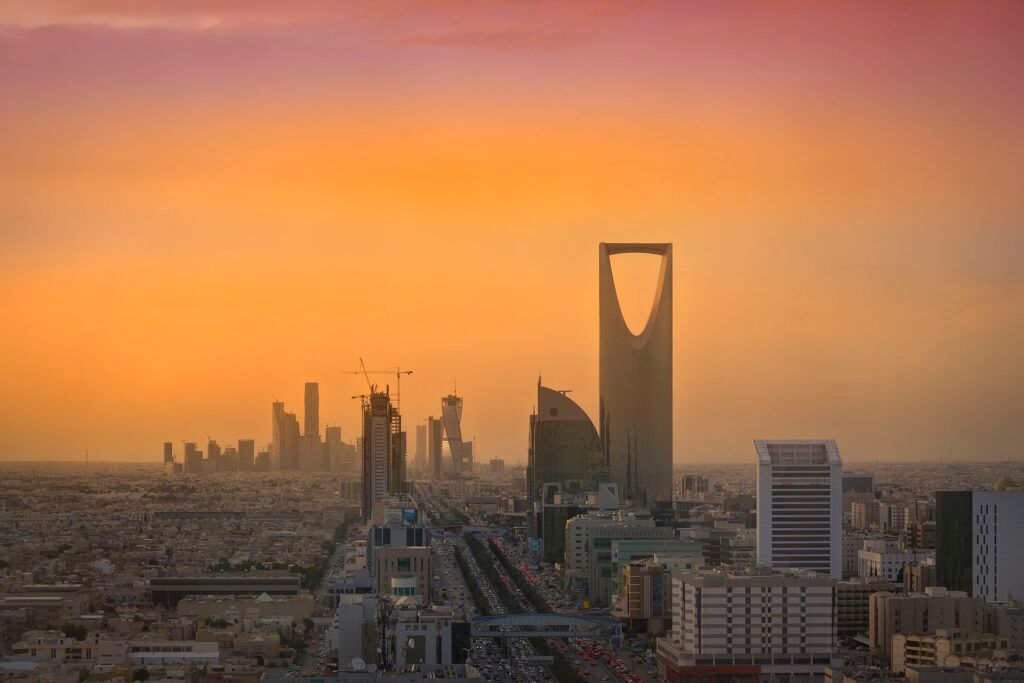
An Aramco tower in Riyadh's King Abdullah Financial District was damaged on Sunday after Houthi missiles fired from Yemen reached the Saudi capital, in a rare strike on the heart of the kingdom's financial centre. Saudi Arabia's energy ministry said falling shrapnel caused limited damage to an administrative building belonging to the state oil company, and that no one was injured or killed. The Saudi-led coalition said its air defences intercepted two ballistic missiles and two cruise missiles aimed at the capital and other areas, and blamed Yemen's Houthi movement for the attack.
Witnesses told Agence France-Presse that the Aramco tower appeared to be the target, with windows blown out across several floors and damage visible on part of the facade. The building is one of the tallest in the district, which houses the Saudi stock exchange and the headquarters of the Public Investment Fund. The district had been shut for remote work for almost a month, according to Bloomberg, which first reported the attack.
The strike is the latest in a run of attacks on the kingdom since early October, and it comes as fighting between Saudi forces and the Houthis has flared again after a truce. Saudi officials described the incident as an attempted attack and stressed that oil production and exports were not affected. There were no reports of damage to refineries, pipelines or export terminals, and the physical impact on oil supply looked small.
What the Aramco tower strike means for oil markets
The attack hit an office building, not an oil facility, so traders saw little reason to expect a supply disruption. The Aramco tower houses administrative staff, and the damage was confined to debris from intercepted Houthi missiles. Even so, the Aramco tower strike put a spotlight on security in the King Abdullah Financial District, where global banks and asset managers have set up regional offices. A strike on a landmark in the district carries a different weight from an attack on a remote border post, and it revived questions about how exposed the kingdom's financial centre is to the war in Yemen.
Oil prices have often risen after attacks on Saudi energy sites, but this time the market effect looked short lived. Analysts noted that the last major attacks on Saudi oil infrastructure, in 2019, shut down half the country's output for a time. Sunday's incident did not touch production, and the coalition said its defences stopped the missiles aimed at the capital.
Why the Aramco tower was hit
The Houthis have fought Saudi Arabia since 2015, and they have fired missiles and drones at Saudi cities and oil sites through much of that war. A truce had held for long stretches, but fighting has picked up again in recent weeks. Saudi forces carried out strikes in Yemen a day before Sunday's attack, according to news reports, and the Houthis answered by firing Houthi missiles at Riyadh.
The timing also matters for Aramco. A week before the attack, the company took a 49 percent stake in HUMAIN, Saudi Arabia's state artificial intelligence company, which plans to build three gigawatts of AI data centre capacity by 2030. The deal tied the world's largest oil exporter more closely to the kingdom's technology plans, and the Aramco tower sits in the district where much of that work is based. Officials did not link the attack to the deal, and the Houthis had not claimed responsibility for the strike when the ministry issued its statement.
The Saudi-led coalition said its air defences destroyed the missiles, and the ministry said the damage was limited. Schools in Riyadh went back to class on Sunday, and life in the capital carried on. For the kingdom, the Aramco tower strike was a reminder that the war in Yemen can still reach its financial centre, even when the damage is small.
Related articles in Finance
View all Finance →Browse more stories in Finance.