
Arizona international teachers fill classrooms
Teachers from overseas are filling Arizona classrooms to ease the teacher shortage, and one Tucson parent questions whether they receive enough training.
by Trends DeskNovember 19, 20263 min read
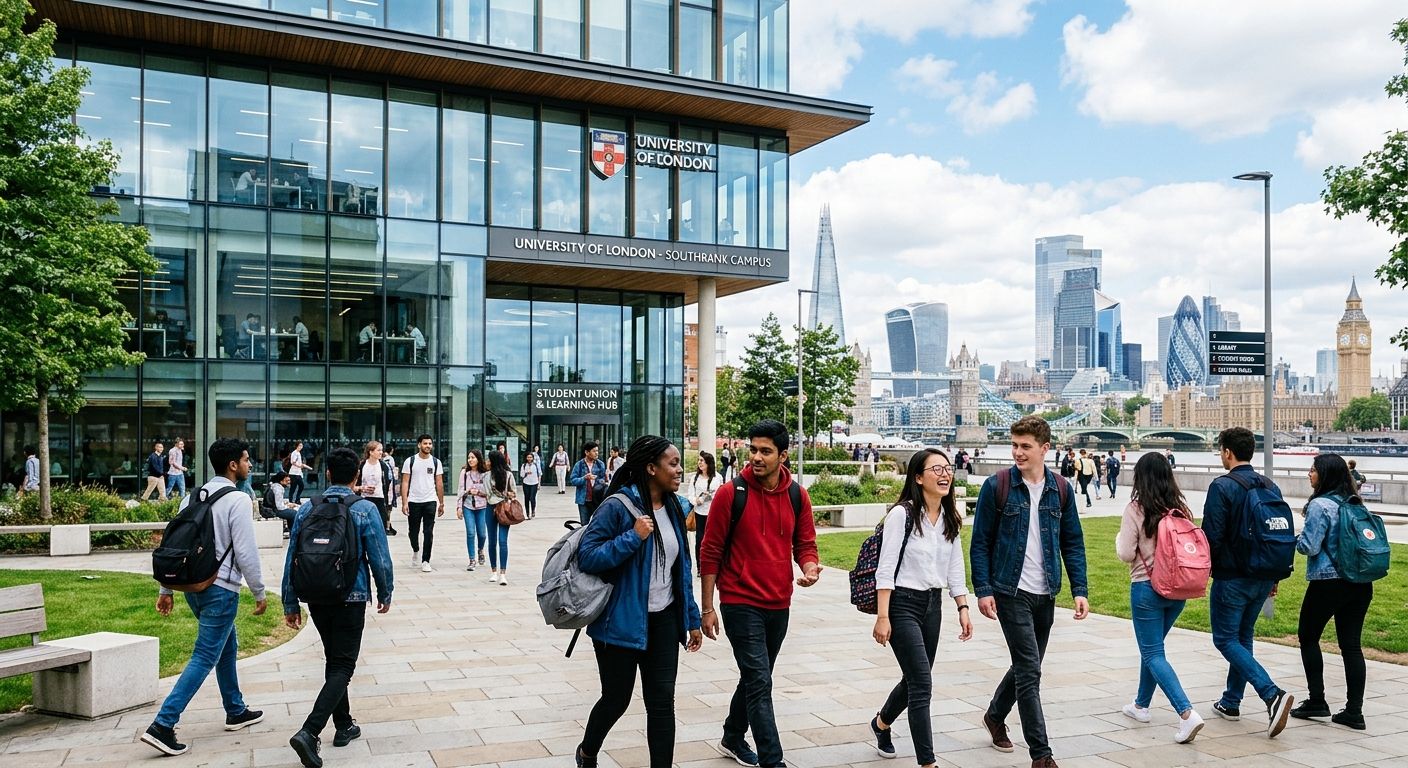
Arizona schools are leaning on teachers from overseas to keep classrooms staffed. The Arizona international teachers are filling posts that districts could not fill locally, and the practice has become a regular part of hiring across the state. One Tucson parent questions whether the teachers arriving from abroad receive enough training before they take charge of a classroom.
Arizona districts have recruited abroad for years. In 2014, Casa Grande Union High School District hired 11 teachers from the Philippines after a statewide search came up short, according to Cronkite News. Bullhead City schools hired 20 foreign teachers with master's degrees when the district was still missing almost 30 percent of its classroom staff weeks into the school year, according to The Washington Post. The Arizona international teachers arriving now follow the same path, through exchange programs that place certified educators in American schools.
How Arizona international teachers arrive
Most come through the BridgeUSA Teacher Exchange Program, run by the United States Department of State. Sponsors such as IAG USA work with Arizona districts to bring in certified, English-proficient educators who meet state standards. Candidates hold valid teaching degrees and classroom experience, and they need English proficiency of B2 or higher. Their credentials are checked for equivalency to Arizona Department of Education standards before they can teach.
The Arizona international teachers in the program may teach for up to three years, with extensions of one or two years for a maximum of five. IAG, a designated sponsor under the program, manages the DS-2019 paperwork and monitors each participant through the exchange term. The J-1 visa teachers work in public schools under the same certificate rules as any other teacher in the state: Arizona requires all public school teachers to hold an Arizona educator certificate issued by the state education department.
Why Arizona international teachers are in demand
The teacher shortage in Arizona has lasted for years, and districts say they turn overseas only after local hiring falls short. Leaders in Casa Grande called the move a last resort in 2014, when teacher turnover rose and pay and benefits fell after post-recession budget cuts. The state education department could not say at the time how many teachers from overseas were working in Arizona schools, because its system did not track teachers arriving from out of country to teach full time.
Demand is strongest in the subjects districts struggle most to staff. Sponsors focus on special education, mathematics and science, bilingual and dual language education, and English as a second language. Large districts are among those hiring internationally, including Phoenix Union High School District, Tucson Unified School District, Mesa Public Schools, Chandler Unified School District and Glendale Elementary School District. The J-1 visa teachers in those districts bring classroom experience from their home countries, along with the language skills that dual language programs need.
What Arizona international teachers still face
The question raised by the Tucson parent is about preparation, not credentials. International teachers arrive with degrees and classroom experience, but they still have to learn a new school system, new standards and new expectations from families. The BridgeUSA program requires sponsors to monitor participants, yet the day-to-day support a teacher receives depends on the district that hires them. Mentoring and induction matter most in the first year, when a teacher is adjusting to a new curriculum and a new community at the same time.
Arizona schools have no quick fix for the teacher shortage, and overseas hiring is one of the few options that puts a certified teacher in front of students right away. Districts say the Arizona international teachers fill gaps that would otherwise fall to substitutes or stay empty. The Arizona international teachers now working in the state will stay for up to three years, and some will extend to five. Whether they get the training and support to succeed in that time is the question parents and districts will keep asking.
Related articles in Jobs & Education
View all Jobs & Education →Browse more stories in Jobs & Education.