
23 states weighed ICE and schools laws this year
At least 23 states considered laws on immigration officers and K-12 schools this year, and only 11 of 40 proposals reviewed by NPR had become law by term start.
by Trends DeskNovember 19, 20264 min read
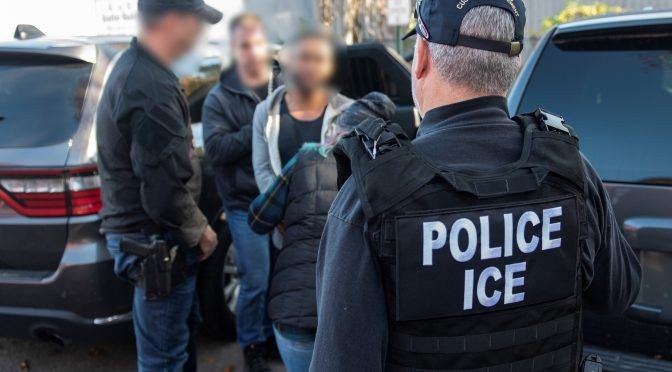
At least 23 states considered new laws on ICE and schools this year, as legislatures tried to set rules for officers on school grounds. An NPR analysis found 40 proposals across those states, and most of them sought to limit federal officers' access to campuses and students. Only 11 of the 40 had become law by the start of the school year, which left many school leaders working from district policy instead of clear state laws.
The push followed a change at the start of President Donald Trump's second term, when the administration rescinded a policy that had kept schools among the places shielded from immigration enforcement. The Department of Homeland Security said at the time: "Criminals will no longer be able to hide in America's schools and churches to avoid arrest." The department has said ICE does not raid or target schools, though K-12 Dive found several cases of agents on school grounds last year. The debate over ICE and schools has grown since then.
How states split on ICE and schools
Of the 40 proposals NPR reviewed, 35 sought to limit federal officers' access to K-12 schools and students. Only one proposal, in Mississippi, sought to ensure that schools cooperate with ICE. The rest did not clearly limit or increase access or cooperation. Minnesota, Arizona, Delaware, Georgia, Maine and Nebraska were among the states that considered limits, with several proposals saying officers should need a warrant. The split shows how unsettled the rules on ICE and schools remain.
Mississippi went the other way and passed a law requiring government bodies, including school districts, to cooperate with federal immigration enforcement. At least eight states already had state laws on immigration enforcement and K-12 schools when 2026 began, and Connecticut, Maryland and Oregon considered further laws. A few states, including West Virginia, Hawaii and Kansas, tried to name school campuses as sensitive locations. None of those three proposals passed.
What ICE and schools rules would change
In Tennessee, one proposal would have required schools to report the legal status of K-12 students. State Representative Jason Zachary, a Republican from Knoxville, told a March hearing: "As legislators, we cannot make informed decisions without data." The bill did not reach a final vote. Another Tennessee proposal would have barred schools from being used as staging areas or bases for immigration officers. Gabby Salinas, a Democrat from Memphis who sponsored that bill, said: "Everybody deserves to have a great learning environment, and it's hard to teach when you are worried that one of your students is going to be taken." That proposal also failed.
Minnesota shows how wide the gap remains. NPR found no state laws there on the subject, yet lawmakers considered at least five proposals on ICE and schools this year, from stricter warrant rules to a duty for schools to write procedures for officers. None of the five reached a final vote. Thomas Saenz, of the Mexican American Legal Defense and Educational Fund, said the loss of the federal sensitive locations policy was likely pushing states to write their own protections.
Principals in Minnesota described the wait in plain terms. Kenny Newby leads Justice Alan Page Elementary School in Maplewood. He said his staff would welcome officers, ask for paperwork, call administrators and keep officers from direct contact with students. Rob Reetz leads Mounds View High School. He said a state law would help, to settle which district's rules apply when teams travel. Both principals said clear rules on ICE and schools would leave staff less exposed. Reetz recalled armed Border Patrol officers coming onto school property at Roosevelt High School in Minneapolis in January, handcuffing two staff members and releasing chemical weapons on bystanders, as MPR News reported.
ICE and schools, and the court ruling behind the debate
At least two states were considering measures that would challenge Plyler v. Doe, the Supreme Court ruling that gives every child a right to free K-12 public education regardless of immigration status, according to Education Week reporting from July. Similar efforts had failed in at least five other states, and NPR left those proposals out of its count. In Laredo, Texas, school leader Andrea Garza said the question was settled practice in her border district. "If they don't have a warrant or subpoena, they don't get in," she said. She said checking paperwork was a matter of making sure everyone followed the law. The proposals on ICE and schools show how far the argument has moved from Washington to state capitols.
Related articles in Law & Government
View all Law & Government →Browse more stories in Law & Government.