Brent Crude Oil Slips Near $109 on Russia Waiver
Brent crude oil slipped toward $109 after Trump waived certain Russia sanctions, while WTI held near $101 and Middle East shipping risks kept markets on edge.
by Trends DeskOctober 19, 20263 min read
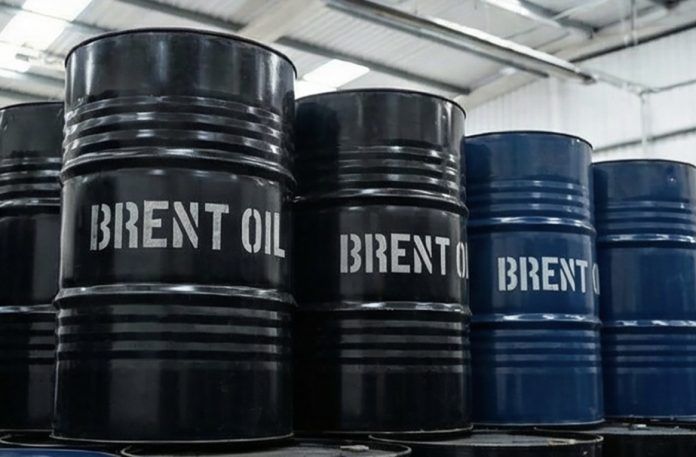
Brent crude oil futures traded around $108.86 a barrel on Monday, down about 0.91 percent, as crude oil prices retreated after U.S. President Donald Trump decided to waive certain sanctions and tariffs on Russia. WTI crude futures slipped $0.25, or 0.25 percent, to $101.20, with the prospect of additional Russian fuel supplies weighing on the oil market.
The pullback followed an executive order Trump signed on Friday temporarily halting certain Russia sanctions and tariff measures against Moscow. Secretary of State Marco Rubio said the administration would take up to 60 days to evaluate the economic impact of the move, leaving traders to price in the possibility of more Russian barrels reaching global markets.
Friday's session had already shown how quickly sentiment can turn. The U.S. benchmark rose 3.51 percent to $101.41 a barrel while Brent gained 3.72 percent to $109.86, as traders positioned for weekend risk. Gold and bitcoin also drew bids, with COMEX gold futures edging up to $4,159.50 an ounce and bitcoin trading around $82,100.
The reaction was swift because the market had been leaning the other way. Through last week, traders had been adding to long positions on the view that sanctions enforcement would keep Russian barrels constrained, so the waiver forced a rapid unwind. Options markets showed a similar flip, with put demand rising as prices slid.
For the oil market, the waiver cuts two ways. Additional Russian supply would ease the tightness that pushed prices higher last week, but escalating tensions in the Middle East have raised shipping-security concerns, and data from Kpler showed the seven-day average of crude shipments through the Persian Gulf fell to about 8.5 million barrels a day last week from more than 20 million the week before.
Last week, crude oil prices touched $110 a barrel on Friday — the first move to that level since May — before easing. Traders said the market remains finely balanced, with any disruption to Middle East shipping routes capable of quickly reversing the latest declines.
Brent crude oil retreats as Russia sanctions waiver weighs
Whether the Russia sanctions relief holds is far from certain. Bipartisan members of the House have previously introduced legislation aimed at revoking related sales and import licenses and restricting future exemptions, and analysts noted that the 60-day review window keeps policy uncertainty elevated.
Brent crude oil outlook: Middle East risks vs. new supply
WTI, the U.S. benchmark, has tracked Brent's moves, and crude oil prices overall remain volatile as traders weigh fresh supply against geopolitical risk. For now, the oil market appears caught between two opposing forces: the prospect of more Russian fuel and persistent threats to shipments from the world's most important producing region.
Refiners and airlines, which had braced for higher fuel costs, welcomed the pullback in Brent and WTI benchmarks. But with geopolitical risk still elevated, few in the market expect lasting relief unless the additional Russian supply materializes in full and shipping lanes stay open.
Currency moves added to the mix. A firmer dollar tends to weigh on commodities priced in greenbacks, and traders said dollar strength amplified Monday's slide. With U.S. inventory data and central-bank commentary both due this week, crude is unlikely to trade in a vacuum.
Investors will also watch U.S.-Iran negotiations this week for any sign of progress that could further shift the supply picture, along with weekly inventory data that could confirm whether the recent price strength is drawing more barrels to market.
With Brent hovering near $109 and volatility elevated, energy desks expect choppy trading ahead. The direction of travel will hinge less on any single data point than on whether the sanctions pause survives political scrutiny in Washington.