Bridgestone lifts output of giant mining tires on AI demand
Bridgestone is running its mining tire plants at close to full capacity as demand for copper to build AI data centres drives orders for giant off-road tires.
by Trends DeskNovember 19, 20263 min read
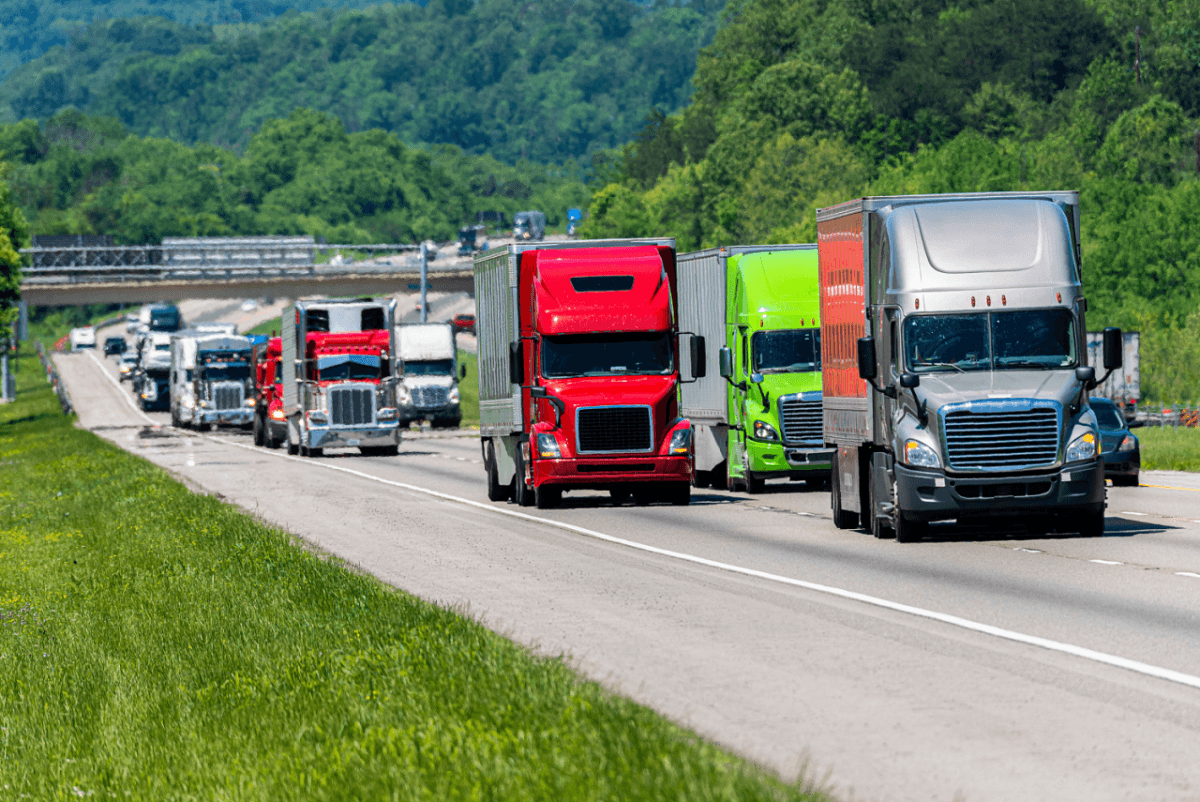
Bridgestone is raising output of giant mining tires as demand for copper to build artificial intelligence infrastructure drives orders for the huge off-road tires used at open-pit mines. Nikkei Asia reported that the company's specialised plants for large mining and construction equipment tires are running at close to full capacity, with the work centred on its Kitakyushu plant in Japan.
The link between tires and AI runs through copper. The metal is a conductor used across data centres and the power equipment that serves them, and demand for it has pushed mines to keep their haul trucks running. Data centres need the metal for wiring and power distribution, and the build-out of AI infrastructure has lifted demand for it across the mining industry. The trucks that carry hundreds of tons of ore in each cycle ride on mining tires taller than a person, and mines need steady replacements as the tread wears down.
The Japanese company is the world's largest tire and rubber maker, headquartered in Tokyo, and its off-road tire business spans seven production bases across Japan, the United States and Thailand. Michelin leads the global off-highway tire market with $4.992 billion in sales, ahead of the Japanese maker at $4.156 billion, and the two together account for more than 70% of the top six makers' sales.
Why mining tires are in demand
Bridgestone has centred this production run on vehicles that service open-pit mines, where trucks transport hundreds of tons of ore per cycle. The Kitakyushu plant makes large and ultra-large off-road radial tires for construction and mining vehicles, and it is the company's main base for the biggest sizes. The largest units stand more than twice the height of an average person. Mining tires are one of the highest-margin categories in the global rubber sector, and the company is giving priority to the lines that earn the most.
The company has also committed $180 million to upgrade equipment at the Kitakyushu plant, with the work due to finish by the end of 2027. The upgrade covers safety, disaster prevention, environmental performance, quality and productivity, and it will support future versions of the flagship MASTERCORE tire line. Production volume is expected to stay unchanged. MASTERCORE, launched in August 2020, is now deployed in about 100 mines around the world.
Mining tires and the plant behind them
Lead times on mining tires remain extended across North America, a sign that supply is still tight even as output rises. The focus on copper exposes the tire maker to swings in metals demand, and a slowdown in data centre building would cut orders for new tires at the mines. For now, the order books point the other way, and the plant is running close to its limits.
The tire maker's mining solutions business pairs the physical product with field engineering and data tools, including AI-driven analytics that predict when a mining tire needs maintenance and plan vehicle routes. A mining solutions service launched in July 2023 uses AI to predict tire maintenance timing and vehicle operation routes. Its Smart On-site program ties the tires, the data and the field teams together in one service for mine operators. The aim is to help mines move more ore with fewer tires, by extending tire life and cutting the number used. Mining tires sit at the centre of that business, and the current output push shows where the demand is coming from.