Builder Confidence Plunges to 32 as 38% Cut Prices
Builder confidence fell to 32 in September, the lowest in a year, as 38% of builders cut prices and costs, labor shortages and data centers squeezed margins.
by Trends DeskOctober 19, 20263 min read
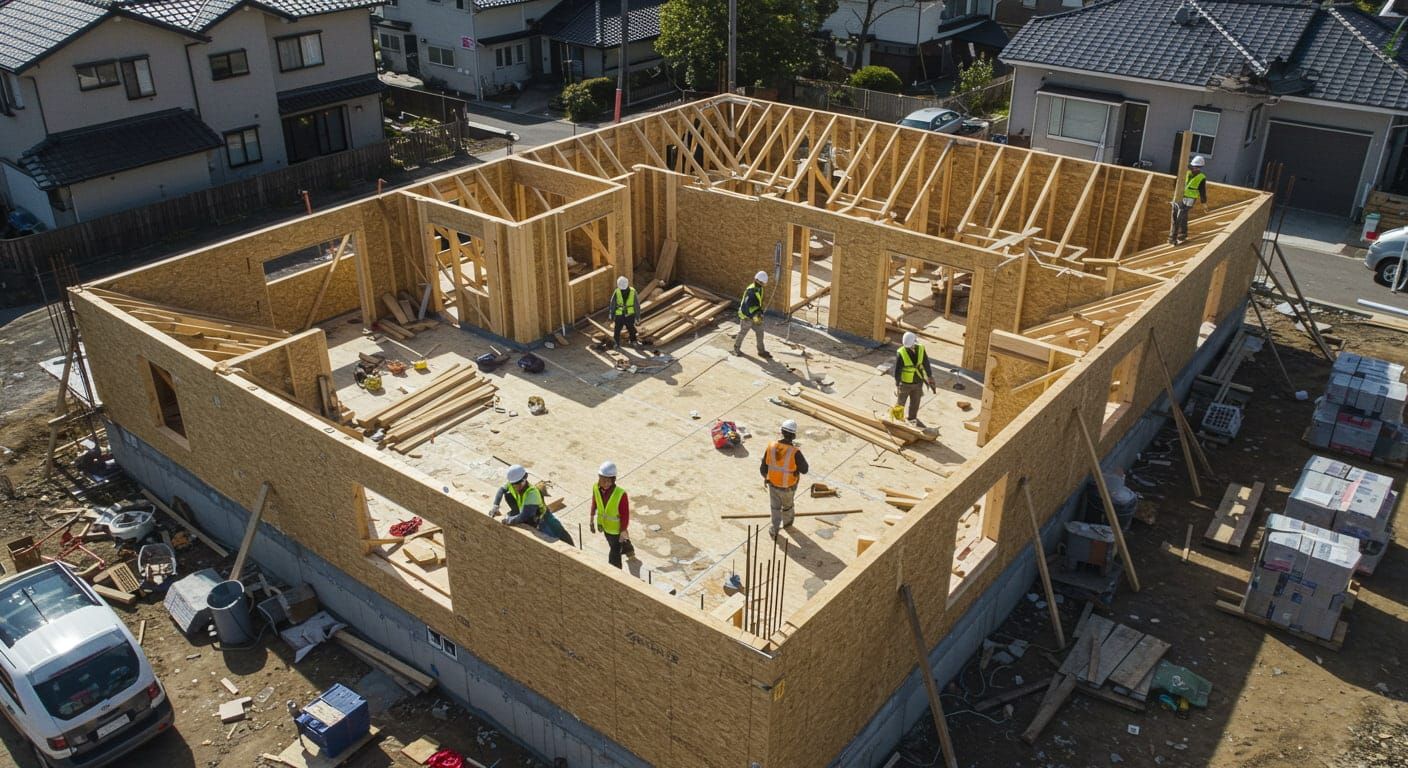
America's homebuilders are losing faith. Builder confidence fell three points in September to 32 on the NAHB/Wells Fargo Housing Market Index: the lowest reading in a year and firmly below the 50 breakeven mark that separates optimism from pessimism. With costs rising and buyers retreating, the industry that builds the nation's homes sees little to cheer.
The September survey painted a bleak picture across all three components. The gauge of current sales conditions fell to 35, the measure of sales expectations for the next six months dropped to 37, and the traffic of prospective buyers languished at just 23.
A one-year low
NAHB chief economist Robert Dietz said confidence sits at its lowest in a year "as tight lending conditions and elevated land, labor and construction costs persist." The combination of expensive credit and stubborn input costs has squeezed builders from both ends.
To keep sales moving, builders are cutting prices at a quickening pace. Thirty-eight percent of builders cut prices in September, up from 35 percent in August, by an average of 6 percent, according to the NAHB survey. The share resorting to price cuts has risen steadily as demand has softened.
Incentives aren't working
Discounts alone are not enough. Sixty-six percent of builders offered other sales incentives in September, up from 63 percent in August: usually mortgage rate buydowns or paid closing costs. Yet even with nearly two-thirds of the industry sweetening deals, sentiment kept sliding.
The pressure extends beyond financing. Cotality chief economist Selma Hepp said homebuilders face a "perfect storm" of rising costs, labor shortages tied to immigration issues, and the potential crowding out of residential construction by data centers competing for power, land, and workers.
Costs and labour
Labor has become a flashpoint. NAHB chairman Bill Owens said "increased immigration enforcement is discouraging legal workers from reporting to job sites": a chilling effect that compounds an already tight construction workforce and threatens to push build times and costs higher still.
The new construction pipeline is also competing with an unlikely rival: data centers. As tech giants pour billions into AI infrastructure, residential projects face stiffer competition for electricity capacity, skilled trades, and developable land: costs that ultimately flow through to home prices.
For buyers, the gloom carries opportunity. Desperate to move inventory, builders are offering the richest incentive packages in years: rate buydowns that slash early payments, closing cost credits worth thousands, and free upgrades. Shoppers willing to buy new construction now hold unusual leverage.
Whether the industry can stabilize depends on forces largely outside its control. If borrowing costs ease and labor pressures fade, builder confidence could rebound quickly: construction sentiment has snapped back before. But with the index at 32 and all three components weakening, few expect a swift turnaround.
The housing market implications reach beyond builders. New construction accounts for a meaningful share of overall housing supply, and a pullback in starts today means fewer completed homes tomorrow: a dynamic that could keep the broader market tight even as demand cools.
Regional differences are stark. Builders in the South and Mountain West, where price cuts have been most aggressive, report the weakest sentiment: a reflection of inventory gluts in markets that overbuilt during the boom. In supply-constrained coastal markets, confidence has held up somewhat better, though few builders anywhere describe conditions as good.
Looking to 2027, the industry's wish list is long: lower rates, steadier labor supply, and relief on materials costs. Until those arrive, expect builders to keep doing what the September data show they are doing: cutting prices, piling on incentives, and hoping buyers return.
For the broader housing market, weak builder sentiment is a warning light. Construction employment, materials demand, and local tax revenues all ride on builders' willingness to break ground. A prolonged slump would ripple far beyond the sales office: which is why economists will be watching the next confidence reading closely.
Until confidence returns, buyers remain in the driver's seat: and in a soft market, the prepared purchaser holds every card.