California home sales fall 6.5% as median hits $899,720
California's existing-home sales fell to a 260,410 annual pace in September, down 6.5% on the year, while the statewide median price held at $899,720.
by Trends DeskOctober 23, 20263 min read
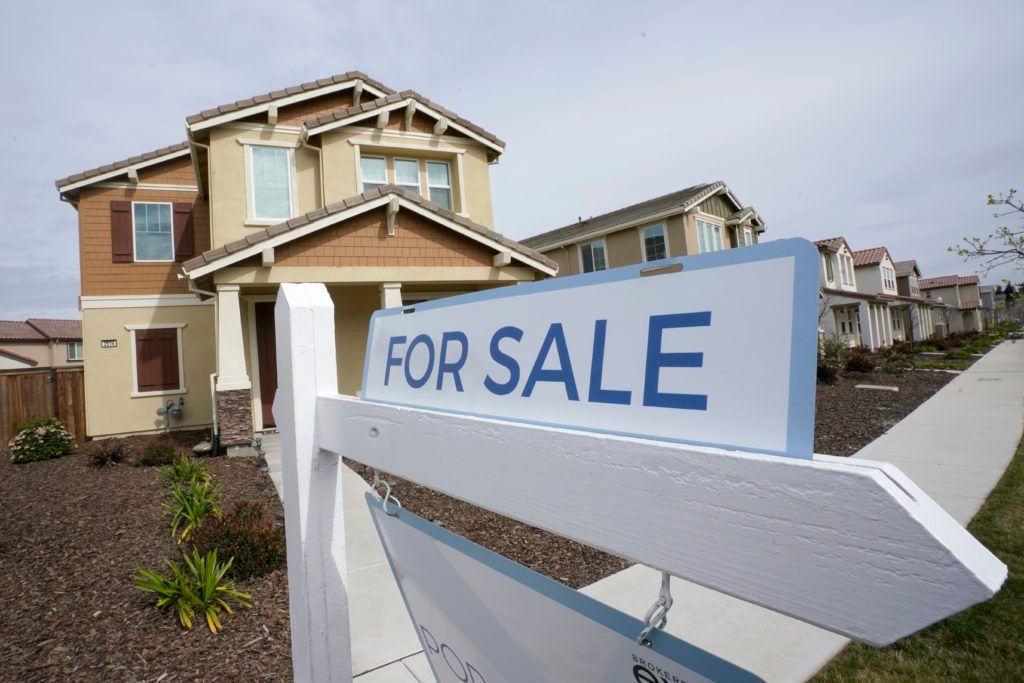
California home sales slowed in September as higher borrowing costs kept buyers on the sidelines, the California Association of Realtors reported. Closed escrow sales of existing, single-family detached homes reached a seasonally adjusted annualized rate of 260,410 in September, down 3.4 percent from 269,620 in August and down 6.5 percent from 278,540 a year earlier.
The figure reflects the number of homes that would be sold in 2026 if September's pace continued, adjusted for typical seasonal patterns. September marked the 48th straight month that California home sales stayed below the 300,000-unit benchmark on a seasonally adjusted basis, a sign of how long the state's market has struggled to build momentum. C.A.R. collects the data from more than 90 local Realtor associations and MLSs statewide. The statewide median home price was $899,720, down 0.2 percent from $901,420 in August and up 1.7 percent from $884,390 in September 2025.
The 30-year fixed mortgage rate averaged 6.86 percent in September, up from 6.67 percent in August and 6.35 percent a year ago. Mortgage rates have risen sharply since the end of August, C.A.R. said. Elevated borrowing costs and affordability challenges could weigh on California home sales through the final quarter of the year, C.A.R. said.
"As we move into fall, the market feels a little less rushed, giving buyers more time to carefully consider their options," said C.A.R. President Tamara Suminski, a Southern California broker. "Mortgage rates and affordability remain challenging, but with competition easing, well-prepared buyers may have more room to explore their options, negotiate and focus on finding the right home rather than simply hurrying to make an offer."
Why California home sales softened
Southern California recorded the largest annual decline in California home sales, at 9.1 percent, C.A.R. reported. In Riverside County, sales fell 12.7 percent from a year earlier and 6.4 percent from August. The Inland Empire as a whole saw decreases of 10.2 percent year over year and 2.9 percent from the prior month.
The slowdown reflects the mortgage rate lock-in effect, which keeps current owners from listing, along with limited housing inventory. Higher mortgage rates have kept many would-be sellers locked into older loans. Active listings rose 2.7 percent from August and 0.5 percent from a year earlier, the first annual increase in eight months, but C.A.R. said the gain came mostly from slower sales rather than more owners listing homes.
"The mortgage rate lock-in effect continues to constrain new listings, while limited inventory is helping to cushion home prices against weaker demand," said Jordan Levine, C.A.R.'s chief economist.
California home sales prices hold firm
Prices held firm even as California home sales fell. The median home sold in 29 days, down from 32 a year earlier, and the sale-to-list-price ratio was 98.8 percent, up from 98.2 percent in September 2025. Homes priced at $1 million or more made up 35.9 percent of sales, up from 35.2 percent in August, which helped support the median home price. The median price per square foot rose 1.6 percent from a year earlier to $434.
Regionally, the Bay Area median home price was $1.325 million, up 1.9 percent, with sales down 3.1 percent. Los Angeles posted a median of $855,000, up 3.0 percent, with sales down 8.0 percent. The Central Coast median rose 4.4 percent to $1.05 million. The Central Coast median rose 4.4 percent to $1.05 million, with sales up 4.4 percent, the only region to post a gain. The Inland Empire median was $601,030, up 1.7 percent. San Mateo County had the state's highest median at $2.327 million, while Lassen County had the lowest at $237,500. Year-to-date California home sales were up 0.8 percent in September, and housing inventory remains the constraint C.A.R. watches most.