Carmakers add Sundays to meet festive car demand
Indian carmakers are working Sundays and holidays and raising output to meet festive car demand ahead of Dhanteras and Diwali.
by Trends DeskNovember 19, 20264 min read
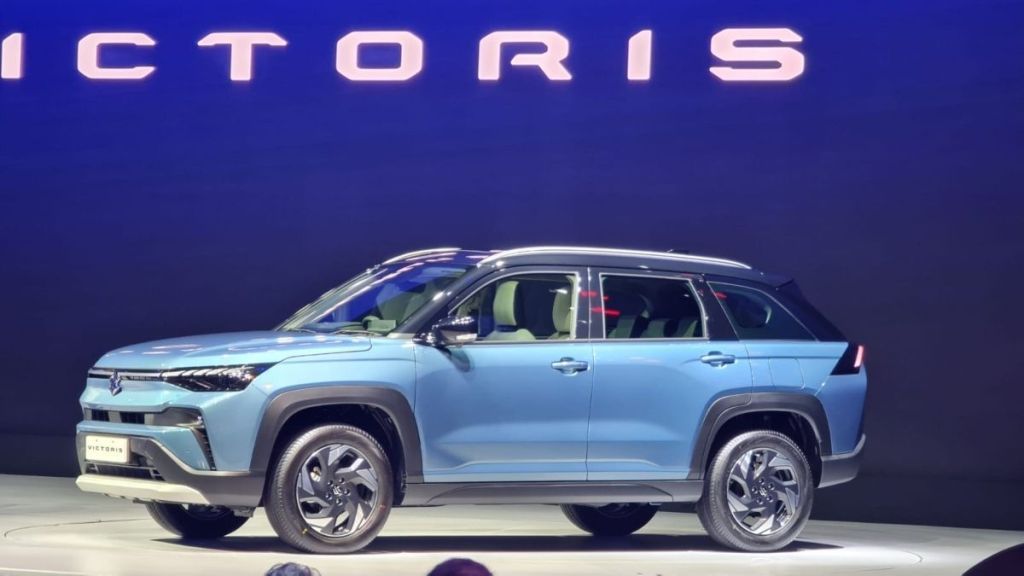
Indian passenger vehicle makers are working Sundays and holidays and raising production schedules to meet festive car demand ahead of Dhanteras and Diwali. Maruti Suzuki has already worked an additional production day in October, while Tata Motors has operated on some Sundays to improve supplies to dealerships. Hyundai, Kia, Mahindra and Mahindra, JSW MG Motor India and Renault are also increasing output, according to people familiar with their manufacturing plans, as new launches add to festive buying momentum.
Festive car demand at Maruti Suzuki
Maruti Suzuki production in October, built to meet festive car demand, could exceed 2.5 lakh vehicles for the first time, excluding vehicles produced under its alliance arrangement at Bidadi near Bengaluru. Extra working days across October and November could add around 30,000 units, and the company is preparing for daily output of 10,500 to 11,000 vehicles. It has already worked an additional production day in October and is considering more working days in November. Pending bookings rose as well, with the order backlog increasing from around 2 lakh vehicles at the start of October to 2.7 lakh after Dussehra. Retail sales between Ganesh Chaturthi and Dussehra grew 35 percent, with small car deliveries up around 16 percent and SUV volumes doubling. Partho Banerjee, senior executive officer for marketing and sales at Maruti Suzuki, said the company is making every effort to maximise deliveries, and he expects double digit retail growth over the full festive period through Diwali, although Navratri retail sales alone were broadly unchanged from a year earlier.
Festive car demand at Tata Motors and Hyundai
Tata Motors production plans, built to meet festive car demand, show a similar push. Suppliers have been asked to prepare for production of around 1 lakh vehicles between 1 October and Diwali. The company has raised production month on month, taking capacity at its Pune plant to around 33,000 vehicles a month over the past six months, and it is also increasing output at Ranjangaon. Tata Motors is expanding Punch production capacity and preparing for output of around 7,000 Punch EVs a month, according to industry sources. A Tata Motors Passenger Vehicles spokesperson said improved customer sentiment was translating into higher showroom walk ins, enquiries, bookings and deliveries, and that the company had stepped up production and sharpened logistics to improve availability of high demand models. The company declined to confirm specific production estimates, saying it does not comment on specific production volumes or capacity planning.
Festive car demand and new launches
Hyundai and Kia each revised annual production plans upwards by 50,000 units in the second half of 2026 to meet festive car demand, supported by new launches. Hyundai Bayon, launched recently, and the Kia Sorento are supporting the higher output as the makers seek to turn new model interest into deliveries. Tarun Garg, managing director of Hyundai Motor India, said the company was seeing strong festive momentum and expected the Hyundai Bayon to help sustain demand beyond the GST reduction boost, and he reiterated domestic sales growth guidance of 8 to 10 percent for the current financial year. JSW MG Motor India is seeking 3,000 to 5,000 additional units to meet festive car demand after the Hector Tomahawk launch, which could take its calendar year volumes to around 1 lakh for the first time in 2026. Renault is increasing output led by the new Duster Hybrid, while Mahindra is also stepping up production. Gaurav Vangaal, associate director for light vehicle production forecasting for the Indian subcontinent at Mobility Global, said inventory levels appear manageable, with most of the additional production meeting current demand, and he added that production in November and December will test demand after the festive peak.
The test for festive car demand will come after Diwali, when production schedules are likely to be adjusted against fresh bookings and stock left at dealerships. If festive car demand holds in November, Maruti Suzuki production and Tata Motors production may stay high, and if festive car demand falls, schedules are likely to be cut back. Gaurav Vangaal said production in November and December will test demand after the festive peak, and he expects production to remain relatively stable in the second half of FY27. That outlook means festive car demand in the weeks after Diwali, not just during the festival itself, will decide how much of the current output push turns into sales.