
China carmakers Myanmar EV push passes Japan rivals
BYD and three other Chinese carmakers are building cars in Myanmar under state EV incentives, a move that is squeezing Toyota and Suzuki in the country.
by Trends DeskNovember 19, 20264 min read
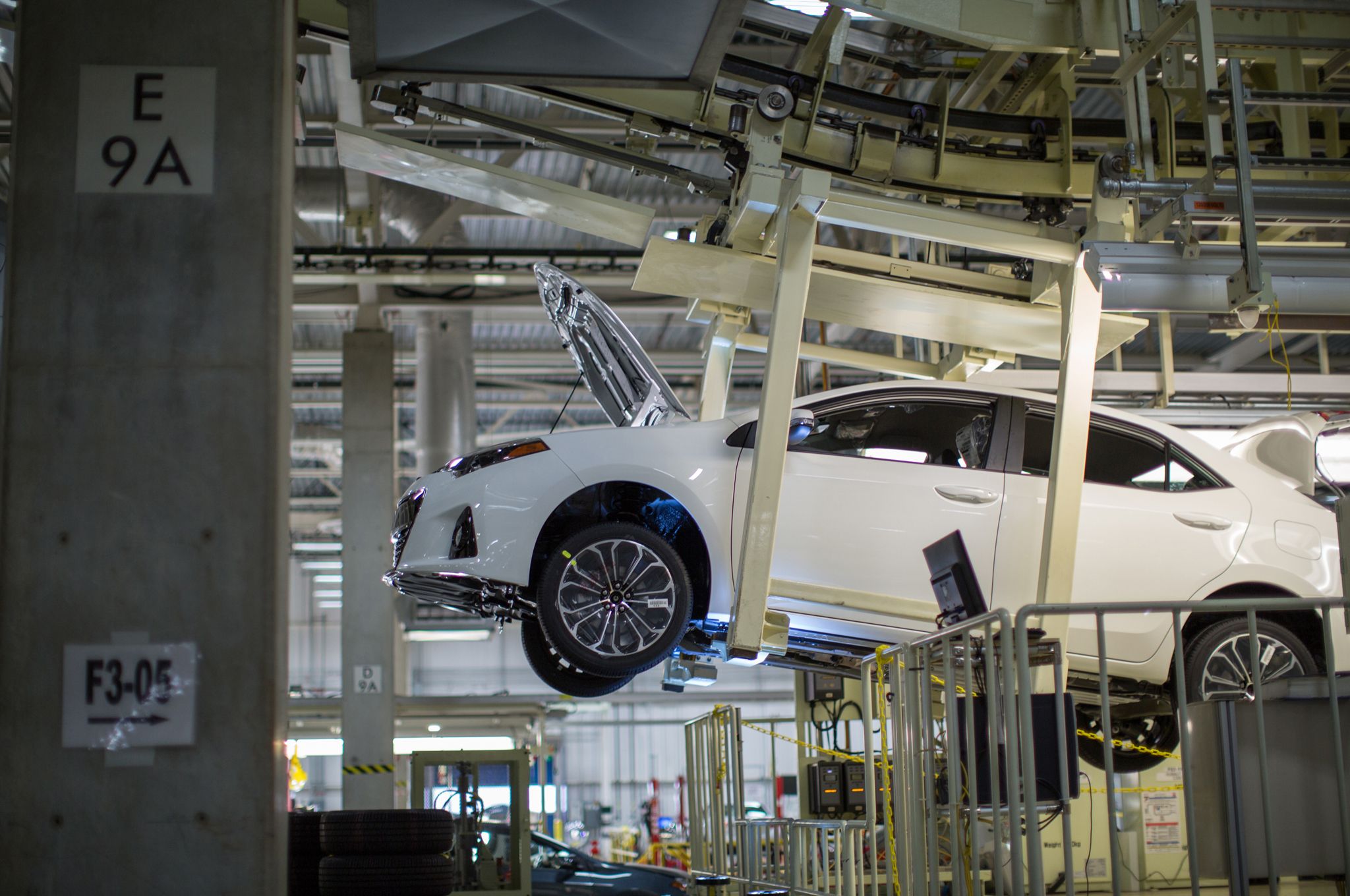
Chinese carmakers are moving into Myanmar, and the China carmakers Myanmar EV push is now being built on the factory floor rather than in showrooms. BYD is using state electric vehicle incentives to take up production at factories run by local operators, according to a report in Nikkei Asia, and three other Chinese carmakers are doing the same. The shift is making it harder for Japanese rivals Toyota and Suzuki to revive their business in the country. Myanmar's government has promoted electric vehicles since 2023, with zero import taxes and exemptions from road and bridge tolls.
The Myanmar EV incentives sit at the centre of the change, and the China carmakers Myanmar EV push runs on them. Imports of electric vehicles carry no import tax, and drivers pay no road or bridge tolls, which has pulled buyers toward Chinese brands. Under the country's electric vehicle roadmap, imports will shift to semi-knocked down units from 2026-27, which means more assembly work moves into Myanmar. That suits Chinese carmakers, which already supply most of the electric cars on the road there, and it raises the cost of staying out for Japanese brands that once led the market. Toyota Suzuki Myanmar sales have slipped as Chinese brands took over the showrooms.
BYD Myanmar production is the clearest sign of the shift. BYD is taking up production at factories run by local operators, using the same state incentives that drew its cars into the country in the first place. Three other Chinese carmakers are following the same route, according to the Nikkei Asia report. Chinese brands already lead the market: at the Myanmar Auto and Parts Expo 2025 in Yangon, all 35 brands on show were Chinese-made, and about 30 of them were electric vehicle brands, according to the organiser.
How the China carmakers Myanmar EV push took hold
The change has been fast. Myanmar began promoting electric vehicle imports in 2023, and registered electric cars rose from 5,816 in October 2024 to 9,026 in August 2025, according to the Road Transport Administration Department. Chinese companies including BYD, MG, Leapmotor and Dongfeng led that growth. Even some models sold under Japanese brands such as Toyota and Honda are made in China. The China carmakers Myanmar EV push builds on that base: local production turns an import market into a manufacturing one, and it puts Chinese brands closer to buyers than rivals that still ship cars in.
What the China carmakers Myanmar EV push means for Toyota and Suzuki
Toyota and Suzuki once led Myanmar's car market, and the China carmakers Myanmar EV push now blocks their way back. The two Japanese carmakers are trying to revive their business in the country, and the incentives that favour electric vehicles give Chinese brands a price edge that petrol and hybrid cars cannot match. For Toyota, the setback in Myanmar sits beside a wider problem: its sales in China fell by more than 20 percent for two quarters in a row, according to the Nikkei, as local electric car makers cut prices. Toyota Suzuki Myanmar operations now face Chinese rivals that build where they sell, and the Japanese brands have no local electric vehicle production of their own in the country.
The Myanmar EV incentives also shape what comes next for the China carmakers Myanmar EV push. From 2026-27, the roadmap moves imports to semi-knocked down units, which means cars arrive in parts and are put together in Myanmar. That raises the value of local plants and local workers, and it rewards the carmakers that set up production early. Chinese brands have that head start. Japanese carmakers would need to match it with their own local assembly, or accept a smaller share of a market that is moving to electric cars.
What comes next in the China carmakers Myanmar EV push
BYD Myanmar production is still at an early stage. What the report showed is a direction: Chinese carmakers are moving from selling cars in Myanmar to building them there, while Toyota and Suzuki work out how to answer the China carmakers Myanmar EV push. The country had 9,026 registered electric cars in August 2025, a small fleet by regional standards, but the growth rate and the policy support behind it have made it a test case for how Chinese brands take a market.
Related articles in Autos & Vehicles
View all Autos & Vehicles →Browse more stories in Autos & Vehicles.