Education Department finalizes college accreditation rule
The Education Department has finalized a college accreditation rule that sets standards on intellectual diversity and civil rights enforcement by accreditors.
by Trends DeskNovember 19, 20264 min read
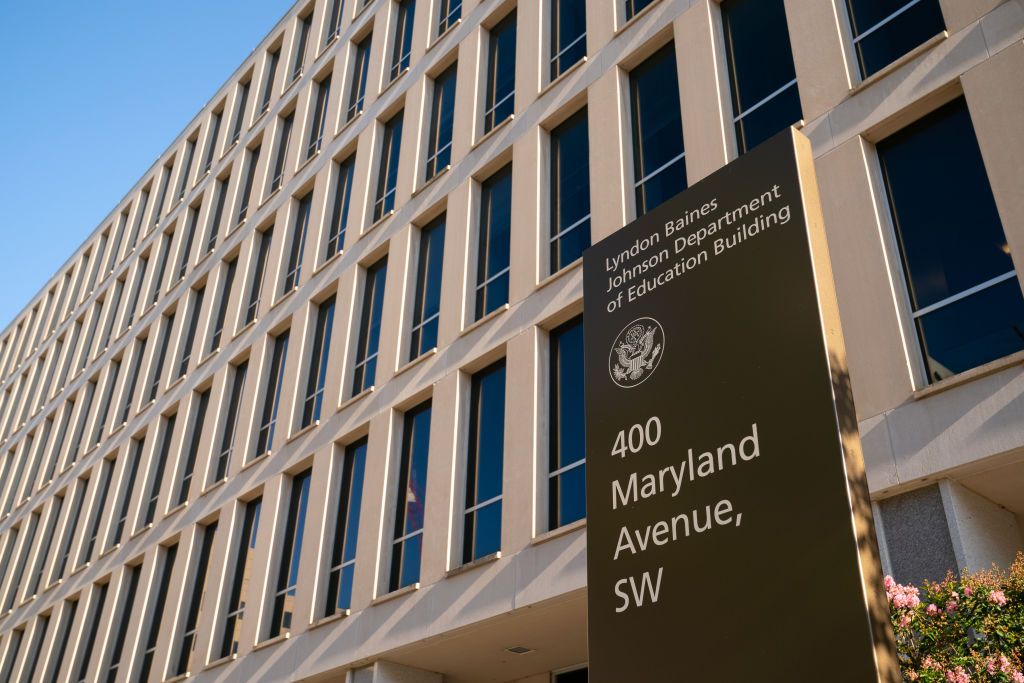
The Education Department has finalized a college accreditation rule that changes how the groups judging college quality must work, and the college accreditation rule puts new weight on intellectual diversity and on how accreditors police civil rights law. Accreditation decides which colleges can receive federal student aid, so the college accreditation rule reaches every college that depends on that aid. Department officials said the change moves attention away from ideological and procedural requirements and toward student outcomes.
Nicholas Kent, the department's chief higher education official, said accreditors had protected their own interests for too long. "For too long, accreditors have effectively served as a cartel to protect their interests, rather than the educational value that institutions of higher education are expected to deliver for students," Kent said in a statement Thursday. He said the final rule creates a more competitive and transparent accreditation system while keeping colleges accountable for results for students and families.
College accreditation rule shifts focus to student outcomes
Under the college accreditation rule, accreditors must set standards on intellectual diversity. They must also police civil rights law as part of their reviews. The department said those requirements replace an emphasis on procedure with an emphasis on whether colleges help students graduate, find work and gain value from tuition. Supporters in Congress backed that framing. Representative Tim Walberg, a Michigan Republican who chairs the House education committee, said accreditors should judge whether colleges help students graduate, find good jobs and get value for tuition dollars, and should not impose unnecessary costs or push ideological agendas.
Critics read the same text in a different way. Dozens of higher education groups argued during the comment period that the regulations could weaken the traditional peer review model among existing accreditors. They also argued that the college accreditation rule could lower the bar for new accreditors seeking federal approval and could introduce standards that cut against college independence. The department said it did not substantially change the regulations it first proposed, even after those comments arrived.
College accreditation rule draws criticism from former officials
Emily Merolli, a former department attorney who is now a partner at Sligo Law Group, wrote on social media that accreditation had just become a lot more political. Mike Gavin, president of the Alliance for Higher Education, a nonprofit that works to protect colleges from government overreach, said he was not surprised by what he called the politicized nature of the rule. Gavin warned that the administration will use the rule as leverage to control the higher education sector and to limit diversity of thought. That warning reflects a wider fear among critics that a process once treated as nonpartisan will now carry presidential priorities.
The department answered more than 7,000 public comments in just over a month. Public records also show that the White House Office of Management and Budget did not accept any meetings to discuss the proposal during its eight-day review. Critics said that pace left little room for the objections raised by colleges and by accreditors themselves. Department officials did not treat that criticism as a reason to rewrite the proposal. Instead, they kept the core of the college accreditation rule intact and moved it to final form.
College accreditation rule takes effect in July
The college accreditation rule will take effect in July. Between now and then, accreditors must adjust their standards to cover intellectual diversity and civil rights enforcement. Colleges must watch how their own accreditor applies the new standards, because a loss of accreditation can end access to federal student aid. For students, the practical question is whether the change alters which colleges stay eligible and what those colleges must show about graduation, employment and tuition value.
Accreditors have long sat between the federal government and colleges. They review finances, governance, academic programs and student results, and their approval opens the door to federal student aid. The new rule keeps that gatekeeper role but changes the tests accreditors must apply. Supporters say the change will force a clearer focus on student outcomes. Critics say it will let politics shape decisions that used to rest on peer judgment. The first test will come when accreditors publish revised standards and colleges respond to them.