Colorado River lawsuit gains Arizona in fight over cuts
Arizona joined the Colorado River lawsuit challenging federal water cuts of up to 3 million acre-feet, as Gov. Katie Hobbs draws 'a line in the sand.'
by Trends DeskOctober 17, 20264 min read
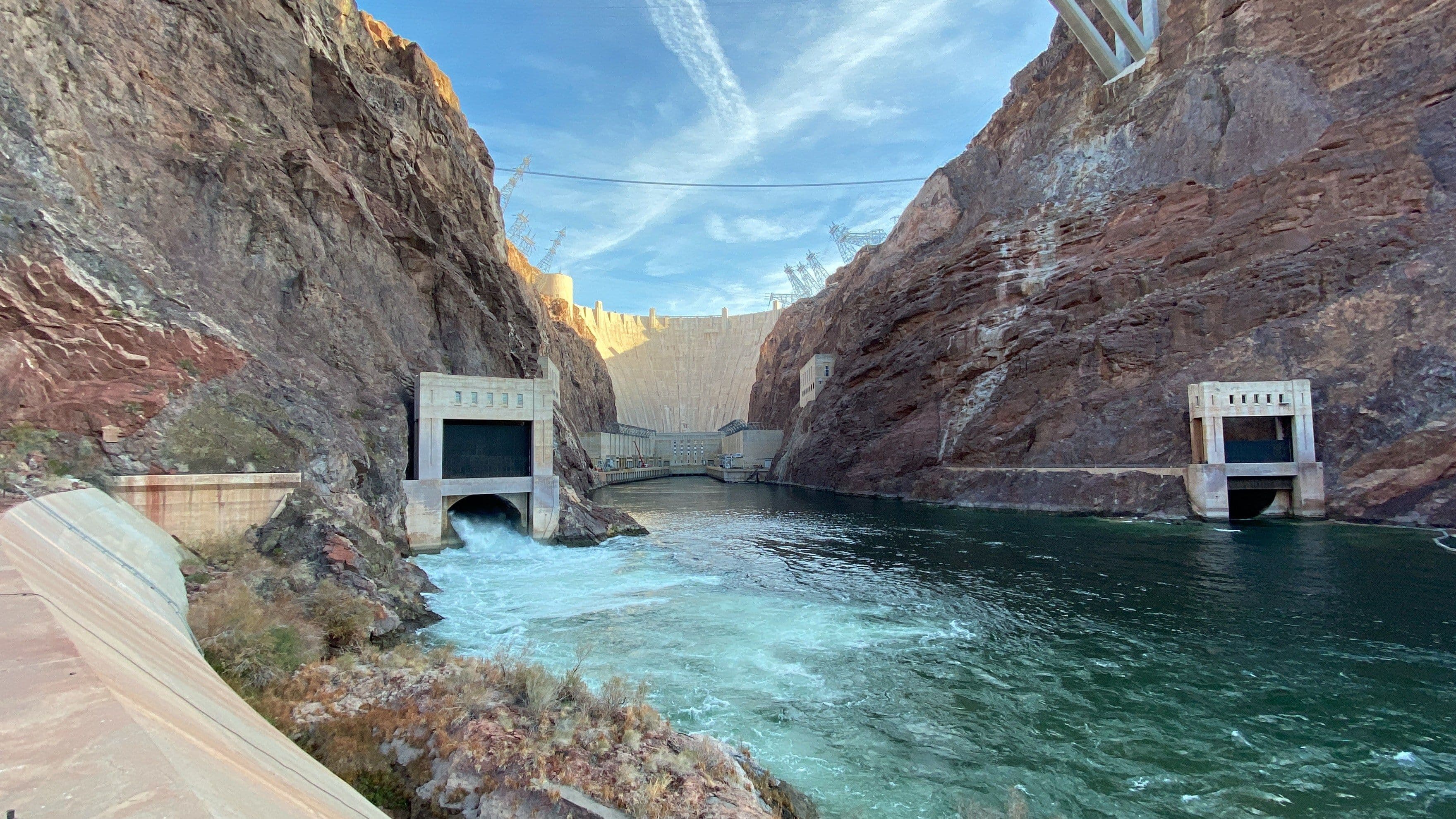
Arizona on Friday joined the Colorado River lawsuit challenging the federal government's plan for managing the river's shrinking supply, escalating a courtroom battle over who bears the pain of deep water cuts across the American West. Gov. Katie Hobbs and the Arizona Department of Water Resources announced that the state has intervened in the case Nevada filed in August against the Interior Department over new operating rules for the river. "We are drawing a line in the sand," Hobbs said in a statement, adding that Arizona would not accept a forced federal plan that she said resolves the crisis on the backs of the state's families, farmers and businesses. Arizona officials said the federal framework fails to hold the Upper Basin states — Colorado, Utah, Wyoming and New Mexico — accountable for delivering water to Lake Mead, and could force Lower Basin water cuts of up to 3 million acre-feet a year. ## Why the Colorado River lawsuit is expanding Nevada, the Colorado River Commission of Nevada and the Southern Nevada Water Authority filed the original suit on Aug. 24, days after the Interior Department released its final operating plan on Aug. 21. Nevada was the first state to challenge the framework, which took effect Oct. 1. Arizona, which faces the deepest near-term cuts of any basin state, said intervention was necessary to protect its legal rights while keeping a negotiated outcome with California and Nevada on the table. The state said it will continue working with the two neighbors to carry out their own two-year Lower Basin agreement as the case moves through court. Tom Buschatzke, the water department's director and Arizona's lead Colorado River negotiator, said stepping into the case was needed to defend the state's claims to the river. Nevada Gov. Joe Lombardo welcomed Arizona's move, calling it "an important step in challenging a federal plan that unfairly burdens the Lower Basin and fails to require the Upper Basin to make meaningful reductions." ## The federal plan's cuts, state by state The Interior Department's framework requires Arizona, California and Nevada to cut their combined water use by 1.25 million acre-feet in both 2027 and 2028 — more than twice the largest reductions required under the current guidelines, which expire at the end of the year. The Upper Basin states would face no mandatory reductions. The numbers are starkest for the two states now suing. Nevada's 300,000 acre-foot allocation could be cut by as much as 213,556 acre-feet — about 71 percent — leaving Southern Nevada with less than 86,500 acre-feet a year in the worst case. Arizona alone would lose 760,000 acre-feet a year under the plan, and the planned water cuts would fall hardest on the state's farms and fast-growing cities. Arizona's exposure is especially acute because the Central Arizona Project, which carries river water to Phoenix and Tucson, holds relatively junior water rights, putting its urban and farm deliveries among the first to be reduced. The Colorado River is a lifeline for the Southwest, supplying water to nearly 40 million people across seven states and parts of Mexico, along with vast farmlands. Years of reduced snowmelt and climate change have shrunk its flow, leaving demand far outstripping supply — and federally mandated reductions are now the mechanism Washington has chosen to close the gap. ## What the Colorado River lawsuit means for negotiations The legal fight now threatens to complicate years of tense negotiations over how to share a dwindling river. Arizona and Nevada say the proposed mandatory cuts could devastate regional economies and upend city and farm planning. For Katie Hobbs, the intervention is both a legal and a political marker: the state will keep implementing the two-year Lower Basin agreement with Nevada and California while pressing its case in court. But the move raises the prospect of prolonged federal litigation that could ultimately reach the U.S. Supreme Court. For the millions who depend on the river, the outcome will shape water supplies — and the region's ability to adapt to a drier future — for years to come.
Related articles in Law & Government
View all Law & Government →Browse more stories in Law & Government.


