Commercial real estate deals signal office return
Bouwinvest joined a $1.5 billion US office buying group starting with the Chrysler Building, while Vornado closed a $3.3 billion loan for 350 Park Avenue.
by Trends DeskOctober 25, 20264 min read
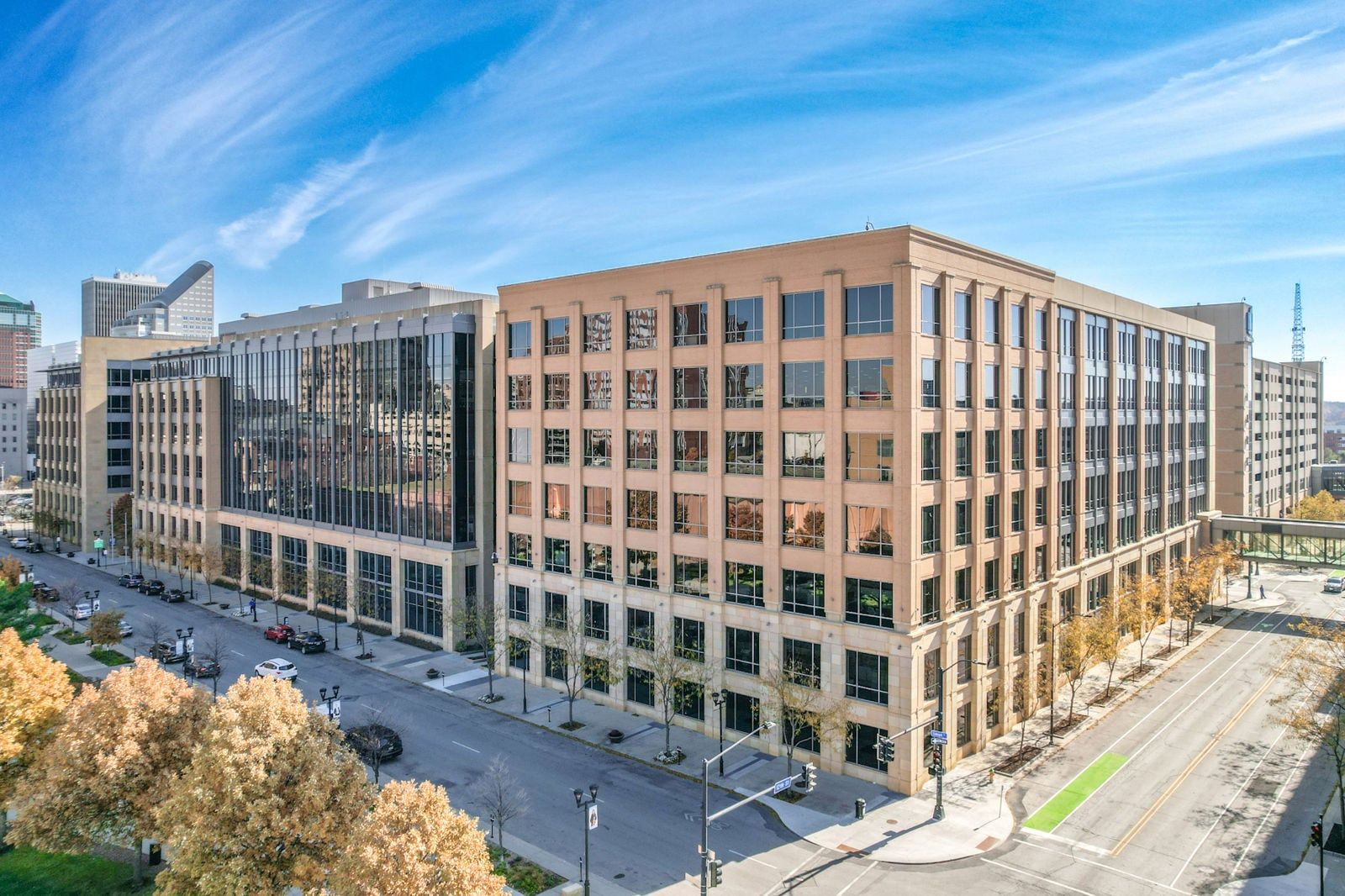
Bouwinvest has joined Tishman Speyer's $1.5 billion US office buying group, starting with the Chrysler Building in New York. The move is one of several large commercial real estate deals reported in the week ending October 24, and it points to renewed buying interest in prime office buildings, a segment of commercial real estate where office buildings in strong locations still attract capital. Commercial real estate deals of this size are closely watched, because they show where large investors are willing to commit capital when borrowing costs are high.
The buying group plans to acquire US office properties, with the Chrysler tower as its first target. The Chrysler Building is one of New York's best known office towers, and a deal involving that tower draws attention beyond the parties involved. For Bouwinvest, the group offers a route into US office assets through an established manager, rather than buying alone.
Commercial real estate and the 350 Park Avenue loan
A second large deal closed in the same week. Vornado and Ken Griffin closed a $3.3 billion loan for 350 Park Avenue, as construction got underway on the New York office project. A loan of that size is a strong sign of lender confidence in a specific project, even while the wider office market faces high vacancy in some cities. Lenders do not commit $3.3 billion without detailed work on rents, tenants, costs and the time needed to complete the building.
That Park Avenue loan also matters because it funds construction, not just a purchase. Construction loans carry extra risk, since the building does not yet produce rent. A lender willing to fund construction at this scale is betting that demand for new, high quality office space in Manhattan will hold up when the building opens.
Apartment loans and commercial real estate strain
Not all commercial real estate news in the week was about new buying. The National Multifamily Housing Council October survey found 17 percent of apartment executives with maturing loans see possible foreclosures. That figure points to strain among apartment owners who borrowed when rates were lower and now face refinancing at higher rates. If a loan matures and the owner cannot refinance on terms that work, a foreclosure becomes possible, even for a building with tenants.
The same survey showed the debt financing index fell to 10 from 46 in July. The index is a measure of how available debt financing is for apartment deals, and a fall of that size points to much tighter lending conditions. Lenders may be asking for more equity, charging higher rates, or turning down deals they would have funded earlier in the year. For apartment owners, tighter debt financing can limit sales, refinancing and new investment, even when rental demand is steady.
Blackstone also reported that its opportunistic real estate funds lost 3.2 percent in the third quarter, according to the week in housing summary. That loss is a reminder that large real estate funds face the same rate pressures as smaller owners, and that returns can fall when property values adjust to higher borrowing costs. A quarterly loss does not by itself show a fund is in trouble.
What the office deals mean for commercial real estate
Taken together, the week showed two sides of commercial real estate at once. On one side, large investors and lenders committed billions to prime office projects in New York, including the Chrysler Building buying group and the 350 Park Avenue loan. On the other side, apartment executives reported rising foreclosure risk and much tighter debt financing, with the index down to 10 from 46 in July.
That split in commercial real estate is common in a high rate market. Prime buildings in strong locations can still attract capital, because buyers and lenders believe those assets will hold value. Older or more leveraged buildings can struggle, because refinancing costs more and buyers demand lower prices. The gap between those two groups can widen when rates stay high, and it can narrow only when rates fall or rents rise enough to cover the higher cost of debt.
For investors, the deals are a signal that some large players see value in US office property at current prices, even while apartment loan strain rises. The next surveys will show whether that buying interest spreads beyond prime New York offices, or whether it stays limited to a small set of high quality buildings.