Workforce certificate programs that lead to jobs
Lorain County Community College runs 14 Fast Track workforce certificate programs that finish in a 16-week term, cost students nothing and carry college credit.
by Trends DeskNovember 19, 20264 min read
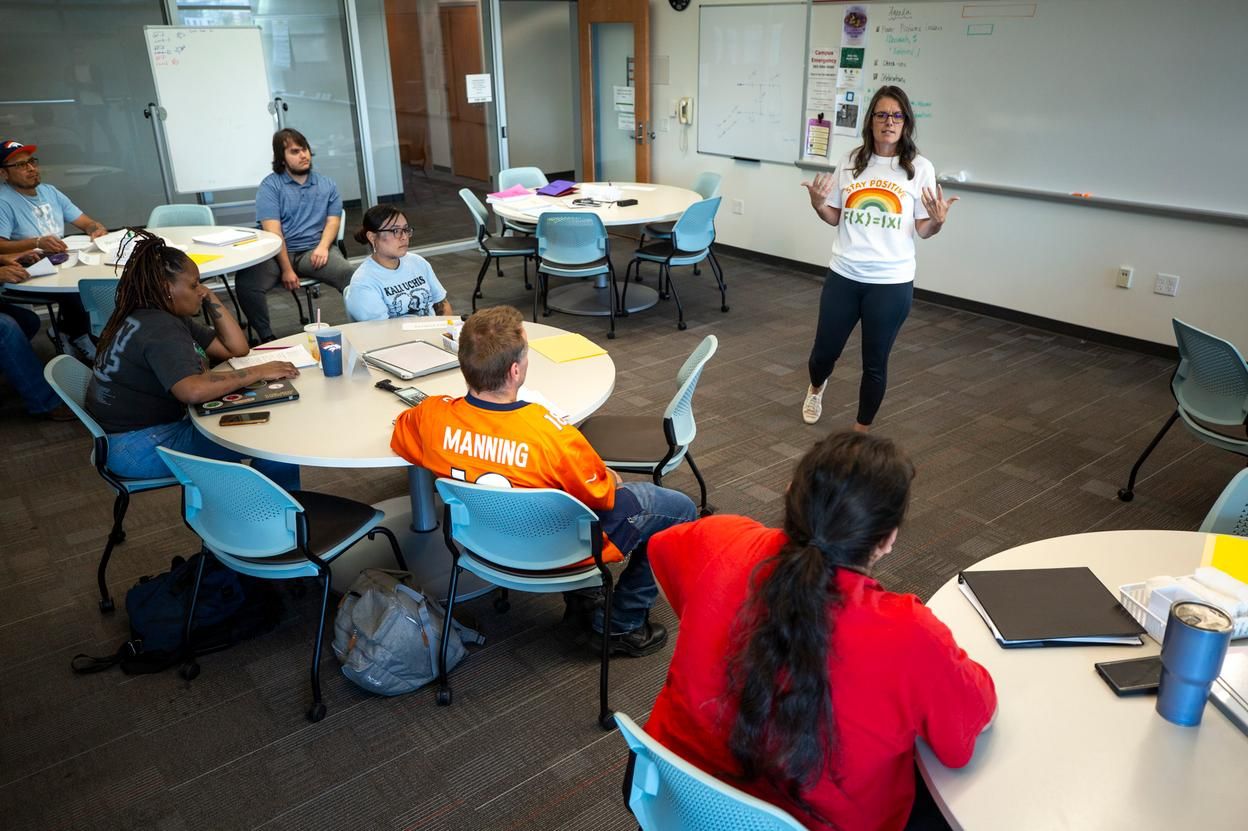
Community colleges in states such as Ohio are expanding workforce certificate programs that train people for work in health care, advanced manufacturing and information technology. States together are putting more than $500 million into such certificate programs, through funding for institutions and for students. This year the federal government also committed major funding to certificate programs through Workforce Pell, a new form of federal aid.
With that much public money going in, the workforce certificate programs have to be worth it. Workforce Pell sets high standards for completion rates, employment outcomes and average earnings before a program can stay eligible. Many states also tie funding to certificates in fields where employers need workers. Yet the evidence so far suggests the income gains for certificate holders are modest and fade over time.
The gains are also concentrated in certain fields, such as health and engineering technology, while other occupational certificates show little value in employment outcomes. So how do colleges build workforce certificate programs that pay off for students and for their regions? Lorain County Community College in Ohio has worked on an answer since 2018, in a model it calls Fast Track.
The college now runs 14 Fast Track programs across five sectors, and researchers funded by the Lumina Foundation spent the past year studying how the model works. They plan to publish a report on their findings early next year. The researchers are Lindsay Daugherty of RAND, Elena Serna-Wallender of MDRC, Alexis Gable of RAND and Marisa Vernon White of Lorain County Community College.
Workforce certificate programs start with employer demand
The first feature of the Fast Track model is that the programs match fields where employers need workers, and employers value the credential. Lorain County Community College looks at labor market data and works closely with employers to spot high-demand jobs and check each certificate before it is built. Since 2023, Ohio has directed state funding only to high-demand credentials, and the college now limits its Fast Track programs to credentials on the state list.
Workforce certificate programs finish in 16 weeks
These workforce certificate programs are built as on-ramps to work for low-income students and adult learners, many of whom also hold jobs and care for families. Those students often want to finish training and move into a new field as fast as they can. To meet that need, the programs run every semester and can be completed within a single 16-week term.
The workforce certificate programs are also free to students. Lorain County Community College uses Ohio state financial aid for certificates and other funding to cover the cost. Students have to complete a financial aid application, but program staff said that has not been a major burden for them. When certificate programs cost nothing, they are open to the low-income people who need them most.
Workforce certificate programs carry college credit
Federal and state programs, including Workforce Pell, have called for certificate programs to be stackable, which means the college credits earned for a certificate also count toward another certificate or an applied associate degree. Research shows that people who stack further credentials on top of certificates see better employment outcomes. Most of the college programs are fully stackable.
In the few cases where they are not, such as nursing, the college makes sure finishing the certificate still gives students a head start if they choose the longer program. Lorain County Community College also requires that all of its workforce certificate programs be offered for college credit. Research shows that few students with noncredit training go on to enroll in college and earn degrees.
To encourage students to come back after earning a certificate, the college offers a $500 grant. The workforce certificate programs also have dedicated advisers who connect students to the college wraparound services, such as tutoring and the food pantry, and give them information on continuing their education. Job-placement support is a newer feature, and it aims to smooth the move into work by giving graduates direct routes to employers and jobs in the region.
Low-income people and adult learners who turn to community colleges for training need clear routes to good jobs and occupational certificates that hold value. The model at Lorain County Community College offers one tested approach that other colleges could adopt.