
CoreWeave debt brings AI financing into focus
CoreWeave carries about $35 billion in debt, and yields on its 2031 bonds neared 16 percent in October, putting the cost of funding AI data centres in focus.
by Trends DeskNovember 19, 20263 min read
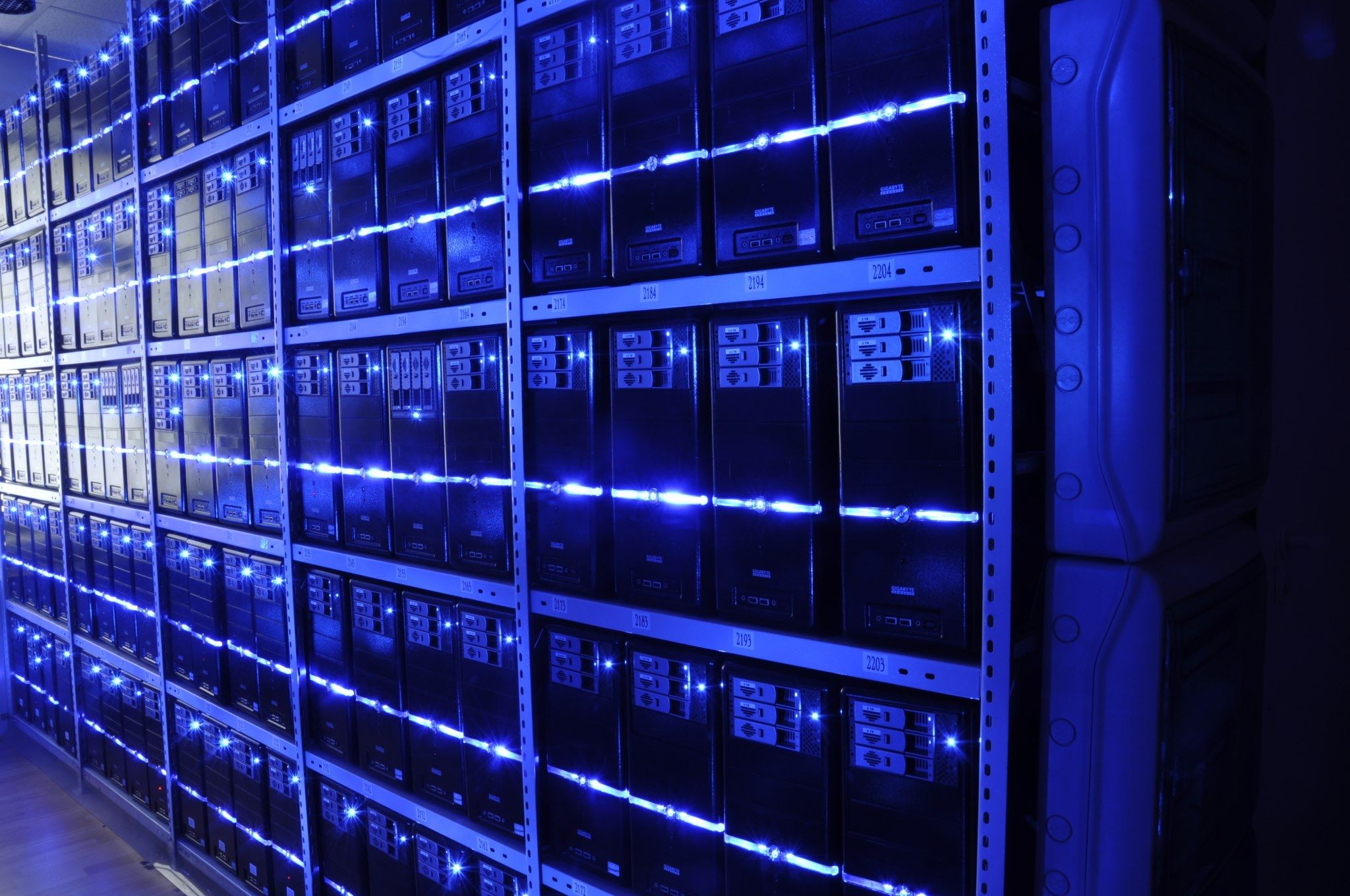
CoreWeave, the cloud provider that rents out computing power for artificial intelligence, has become the clearest test of how far lenders will go to fund the AI infrastructure buildout. The company reports third-quarter results on Monday, and investors are watching whether its borrowing can keep pace with its spending. CoreWeave debt now sits at the centre of that question, after a month in which the shares nearly halved and the cost of its bonds climbed toward levels the credit market links with troubled borrowers.
CoreWeave reported about $35 billion in debt in its June quarterly report, and the figure has grown since as the company borrowed to buy processors and build data centres. In mid-October, bond yields on its 2031 notes briefly neared 16 percent, while the cost of insuring its debt against default widened to about 1,200 basis points. The shares have fallen 44 percent over the past month, and the slide has spread to other firms in the same line of work.
The worry is not revenue. CoreWeave has built a revenue backlog of $104 billion, with contracts from Microsoft, OpenAI and Meta, and its margin before interest, tax, depreciation and amortisation runs at about 58 percent. The problem is the bill for the hardware behind those contracts. In August the company raised its capital spending forecast to between $35 billion and $39 billion, roughly three times the revenue it expects for 2026. Lenders weighing CoreWeave debt now have to judge whether that spending will pay for itself before they agree to fund more of it.
Why CoreWeave debt worries lenders
Banks that once competed to finance AI infrastructure are now pulling back, according to a Reuters report this week. Lenders are asking whether borrowers can keep paying if the economy slows, and they are looking closely at contract terms, completion dates and clauses that let customers cancel. The pullback matters most for neocloud providers, the firms that buy Nvidia processors in bulk and rent out computing power. CoreWeave is the largest of them, and its borrowing makes it the first name lenders examine when they tighten terms. CoreWeave debt has become the shorthand for that risk, because the company's bonds trade at yields other borrowers would find hard to live with.
CoreWeave debt and the AI spending boom
The wider market has felt the same strain. Meta's credit default swap spread reached a record high in late October after the company raised its capital spending forecast, and investors sold the most leveraged part of the AI supply chain first. Nebius, another neocloud provider, has seen its shares fall 36 percent over the past month even though its debt is far smaller and it has just secured a $3.5 billion financing deal with Citibank. CoreWeave debt still draws the closest attention, because the company's spending plans are the largest in its group and its bond yields set the tone for the rest. Goldman Sachs expects global hyperscaler debt issuance to reach $420 billion in 2027, up from about $250 billion this year, so the question of who funds the next round of building is now open. CoreWeave debt will stay in view until the company shows lenders a funding plan they trust.
What CoreWeave debt means for earnings
Monday's results will give investors their first look at how the company is handling the strain. The numbers will show whether revenue growth is turning into cash, and whether the company can hold its spending plans without fresh borrowing on worse terms. Any sign that the capital spending range is narrowing could be read as a financing limit rather than a choice, and the market will listen for what management says about funding sources. The company's customer list gives it room to argue its case, and its contracts run for years, but the lenders who have to fund the next data centres will want proof that the money comes back. The third-quarter results land on Monday.
Related articles in Finance
View all Finance →Browse more stories in Finance.