DOGE Records Supreme Court Fight: Justices Take Case
DOGE records Supreme Court battle: justices agreed Oct. 13 to hear the Trump administration's appeal over public access to DOGE files.
by Trends DeskOctober 16, 20263 min read
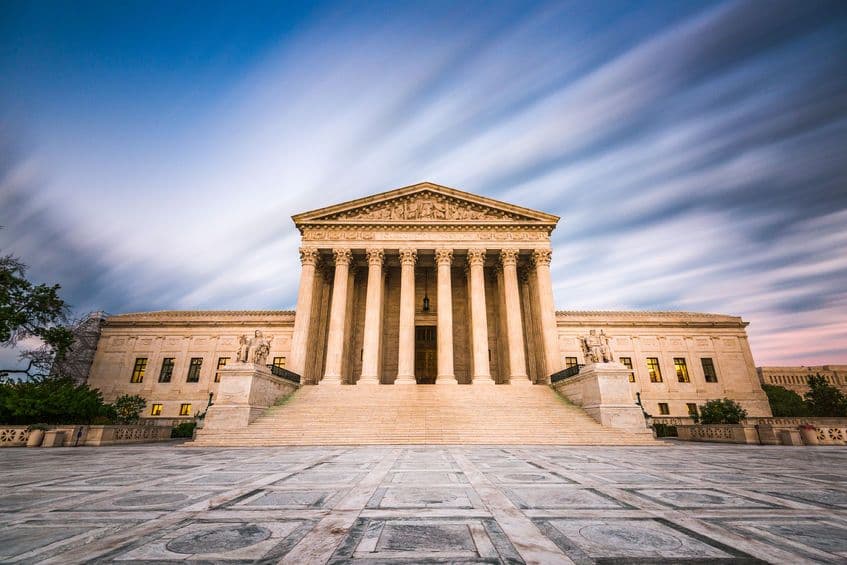
The DOGE records Supreme Court fight is heading for a full hearing after the justices agreed Tuesday to take up the Trump administration's appeal over public access to the Department of Government Efficiency's files.
The DOGE FOIA lawsuit, brought by the CREW watchdog group Citizens for Responsibility and Ethics in Washington, asks a deceptively simple question: was DOGE an ordinary presidential advisory body, or did it wield enough independent authority to count as a federal agency subject to transparency law?
The answer will decide whether internal records about the Elon Musk DOGE government-downsizing operation must be disclosed under the Freedom of Information Act, or whether they stay shielded as confidential presidential advice — a test of government transparency that could echo for years.
DOGE records Supreme Court: the road to the justices
U.S. District Judge Christopher Cooper ordered the disclosures in April 2025, finding DOGE was likely a government agency covered by FOIA, and directed expedited processing of the watchdog's request. The D.C. Circuit appeals court later refused to halt that order.
This is the high court's second intervention in the DOGE FOIA lawsuit. In June 2025, the conservative majority reined in Cooper's order, ruling he had acted too broadly in demanding documents. But the litigation continued, and the Trump administration is now back asking the justices to shut down court-ordered discovery into DOGE's operations.
Government lawyers object to discovery requests covering staff information, internal directives and plans to access classified information. They also challenge a sworn deposition of DOGE administrator Amy Gleason about the operation's structure and responsibilities.
What the DOGE records Supreme Court case is really about
Justice Department lawyers argue that subjecting presidential advisory bodies to intrusive discovery triggers the very concerns Congress sought to avoid by excluding such bodies from FOIA. They say the demands would hand over much of what the lawsuit seeks before courts even decide whether the transparency law applies at all.
The CREW watchdog counters that DOGE exercised real government power: slashing the federal workforce, dismantling agencies and redirecting spending to presidential priorities. The group says the public deserves to know how the operation influenced staffing, spending and federal programs, calling it a basic matter of government transparency.
The administration claims the appeals court ignored the Supreme Court's direction to consider separation-of-powers concerns and intruded on the autonomy and confidentiality of presidential advisers.
Supreme Court 2026 ruling on DOGE records could set precedent
Trump created DOGE by executive order on his first day back in office, Jan. 20, 2025, specifying an 18-month DOGE agenda. The office announced on July 4, 2025, that its formal mission had ended, and Musk has since left government service, closing the Elon Musk DOGE era — but the legal battle behind the DOGE records Supreme Court case has outlasted them both.
A ruling that DOGE was a federal agency would open its files to FOIA requests and set a precedent for future White House efficiency drives. A ruling the other way would cement a broad shield for presidential advisory operations, limiting what the public can ever learn about the DOGE records Supreme Court dispute at the center of this fight.
Either way, the Supreme Court 2026 decision in the DOGE FOIA lawsuit, expected by June, will define the government transparency rules for the next president who tries to remake the government from inside the White House.
Related articles in Law & Government
View all Law & Government →Browse more stories in Law & Government.


