
DPDP Act does not curb press freedom, Vaishnaw says
Ashwini Vaishnaw says the DPDP Act leaves press freedom intact, a day after the Supreme Court issued notice on a petition by 21 news publishers.
by Trends DeskNovember 19, 20263 min read
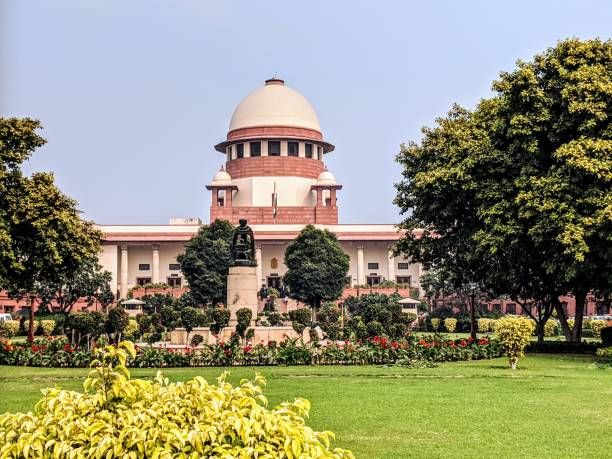
Union Information Technology Minister Ashwini Vaishnaw said on Wednesday that the DPDP Act does not curb press freedom and holds no provision that limits how news organisations report. He said journalistic freedom is guaranteed by the Constitution and that the government has no intention of affecting it. His remarks came a day after the Supreme Court issued notice to the Centre on a petition from news publishers challenging parts of the law.
The petition was filed by the Digital News Publishers Association, which represents 21 news publishers. The group includes Network18, NDTV, The Indian Express and Times Internet. It has challenged the DPDP Act and the rules framed under it in 2025, arguing that the absence of a specific exemption for journalism could hamper news gathering and weaken the public right to information. The association says consent requirements in the law could force journalists to seek permission from people they write about, which would make investigative reporting harder and could expose confidential sources.
What the DPDP Act challenge says
The Supreme Court has sought the Centre's response to the petition and to an application seeking a stay on the challenged provisions. A three-judge bench headed by Chief Justice of India Surya Kant listed the matter for further hearing on November 17. The court has not ruled on the merits of the challenge. The publishers argue that without a journalism exemption, data protection duties would fall on newsrooms in ways that sit uneasily with reporting in the public interest.
The association says the law was framed without a carve-out that other data protection regimes give to journalism. It contends that routine reporting tasks, from verifying a document to contacting a source, could attract compliance duties meant for commercial users of personal data. The petition asks the court to test whether those duties, applied to news work, sit within constitutional guarantees for free speech and a free press.
Vaishnaw's reply on the DPDP Act
Vaishnaw rejected that reading of the law. He said the DPDP Act was enacted after the Supreme Court recognised privacy as a fundamental right, and that it went through a month of public consultation in which the industry took part. "There is not even an intention to affect freedom. The privacy law absolutely maintains freedom," he said. He added that no provision requires a reporter to take clearance from a person who is the subject of a story, and no clause compels disclosure of a source.
The minister invited editors and media professionals to raise their concerns with the government in open dialogue. He said the government is ready to hear suggestions from the industry on the DPDP Act and is open to changes that protect press freedom and journalistic work. His comments were the first from the government since the publishers moved the court, and they signalled a willingness to engage rather than defend every provision as it stands.
What happens next for the DPDP Act
The next hearing is listed for November 17, when the Centre is expected to file its response. Until then, the challenged provisions remain in force, and newsrooms continue to work under the compliance duties the petition questions. The case will test how the DPDP Act balances personal data protection with the freedom of the press, and whether the court reads a journalism exemption into the law or leaves that question to Parliament.
Related articles in Law & Government
View all Law & Government →Browse more stories in Law & Government.