
ECB financial stability push targets AI and debt risks
ECB vice president Boris Vujcic said Europe needs more market-based finance, but only with stronger safeguards against AI and sovereign debt risks.
by Trends DeskNovember 19, 20263 min read
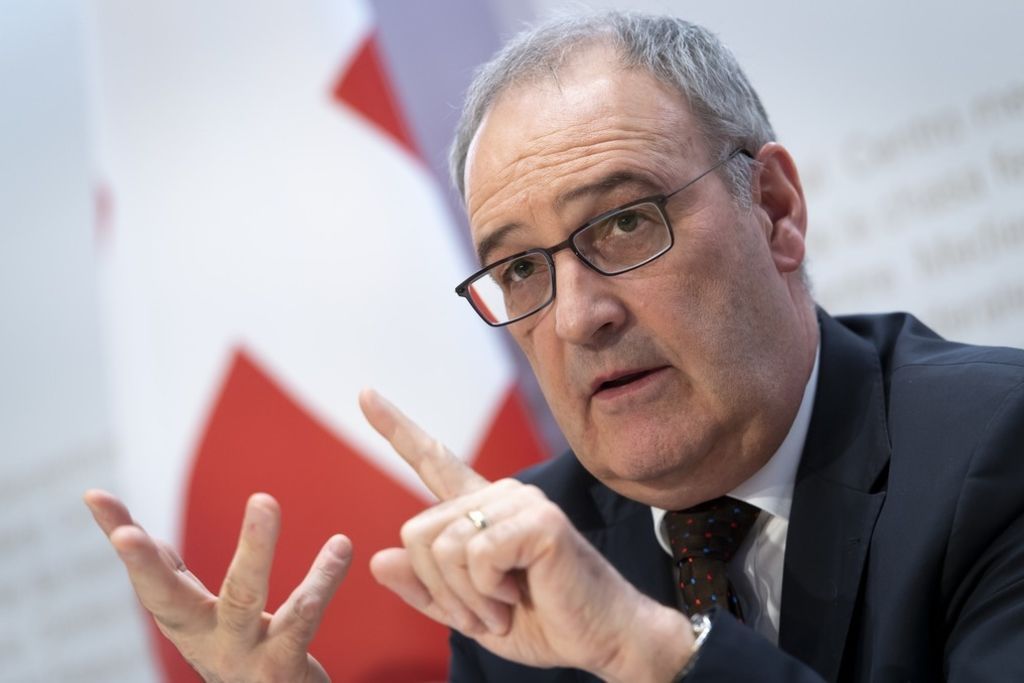
The European Central Bank's vice president said on November 16 that Europe's push for more market-based finance must come with stronger safeguards, as artificial intelligence and government debt pose twin threats to the financial system. Boris Vujcic said high valuations for AI businesses and the chance of a sharp correction underline the risks. The ECB financial stability warning came in a speech at Euro Finance Week in Frankfurt, days before the bank publishes its twice-yearly Financial Stability Review.
"My key message today is that Europe needs more market-based finance," Vujcic said. "At the same time, however, a larger role for non-banks must go hand in hand with stronger system-wide safeguards." Vujcic said the ECB financial stability agenda starts from a shortfall in investment in riskier new businesses, a key reason Europe has failed to develop and commercialize new technologies at the scale of the United States and China. He said non-bank finance should grow so that startups can raise money beyond the banks.
ECB financial stability review puts AI and debt first
Vujcic said the ECB financial stability review, due on Wednesday, will highlight increased threats from the AI boom and government debts. "While most risks identified in the FSR have been on our radar for quite some time, two stand out very prominently compared to the situation a year ago," he said. "These relate to developments in artificial intelligence and sovereign debt." The risks from AI have broadened beyond expensive shares to cover debt financing, concentrated exposures, wider use of the technology and cyberattacks.
Sovereign debt fragilities have grown on both sides of the Atlantic, Boris Vujcic said, and are among the factors pushing up long-term yields. The risk of spillovers across borders has also increased. For governments, high debt, rising financing costs and structural limits on growth could strain public finances and revive concern about heavily indebted countries. The ECB financial stability review will set out how the two risks could reinforce each other if they land at the same time.
ECB financial stability safeguards for non-bank finance
The financing needs of companies across the AI supply chain are unprecedented, Vujcic said, with large cloud and infrastructure providers turning more to debt markets. He warned that a reassessment of the AI story could trigger a sharp repricing in markets and large valuation losses. The danger is that losses and liquidity strains in one market spill into others, and the ECB financial stability work now tracks those links closely.
Banks have kept strong capital and liquidity positions, Boris Vujcic said, and existing capital buffers do not appear to constrain lending, so they should be preserved. Resilience in non-bank finance is more uneven, he said, and he called for stronger supervision at the European level, with measures on leverage, liquidity mismatches and links with banks. His proposed safeguards included matching investment fund redemption terms more closely to asset liquidity, larger usable liquidity buffers at money market funds, and leverage limits or minimum margin and haircut requirements for hedge funds.
The ECB president, Christine Lagarde, set out a related view in a letter to members of the European Parliament dated November 6. She wrote that the evidence so far does not show a significant spillover from euro-denominated bond issuance by large technology companies to the funding rates of European Union governments. She added that the issuance is still at an early stage and is expected to grow substantially, and that the best protection against spillovers to sovereign debt costs is sound public finances, credible medium-term fiscal strategies and sufficient fiscal buffers. Completing the savings and investments union would help channel Europe's savings toward productive investment, the letter said, and the ECB financial stability review will return to the theme on Wednesday.
Related articles in Finance
View all Finance →Browse more stories in Finance.