
Chinese EVs sweep the world as Huawei rewrites rules
Huawei technology could power a future Maserati EV as China exported 9.736 million vehicles in the first ten months of 2026, already more than in all of 2025.
by Trends DeskNovember 19, 20264 min read
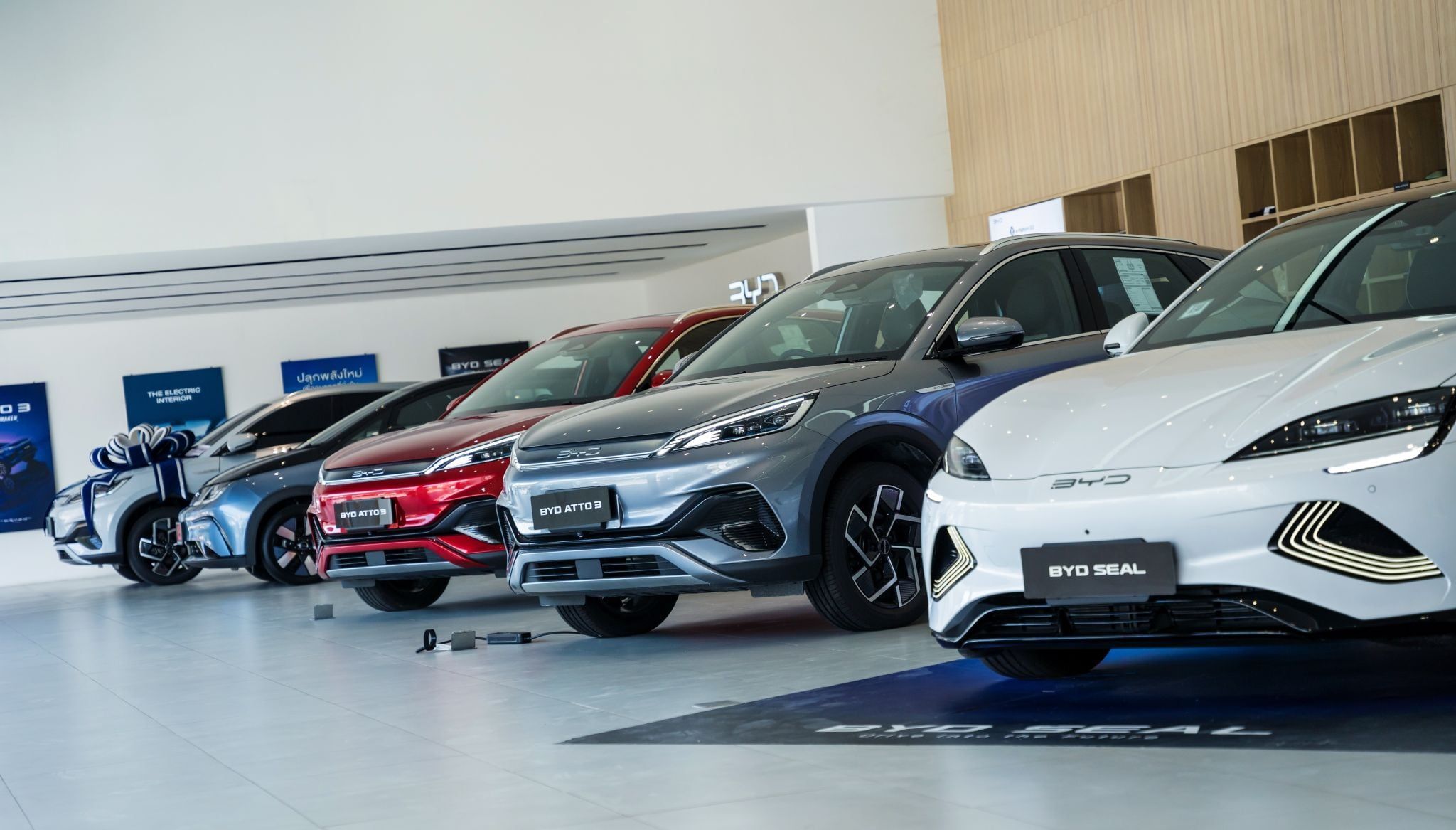
Chinese EVs are sweeping global markets on low prices and software-led technology, and the tech giant now sits at the centre of the shift. The Chinese EVs story took a new turn this week with reports that Stellantis is in talks with Huawei and Anhui Jianghuai Automobile Group, known as JAC, to develop a Maserati electric car together, a deal that would put its technology into an Italian luxury badge.
Under the arrangement reported by Chinese business outlet Yicai, the tech firm would supply the technology, including a smart cockpit based on its HarmonyOS software and its Qiankun intelligent driving system. JAC would handle vehicle engineering and production, and Maserati would provide the design and its global sales network. The design of the new model has been finalised, and mass production is expected in the fourth quarter of 2027. JAC said in a filing with the Shanghai Stock Exchange on 30 September that it was working with Huawei and Stellantis, and Stellantis plans to unveil a detailed roadmap for Maserati in Modena in December. The deal would make the tech firm a supplier to a European luxury brand, a new step for Chinese EVs.
The talks show how far the balance has moved for Chinese EVs. European carmakers are losing their ability to compete on their own in the Chinese market, and the Italian brand is the latest to look for a Chinese technology partner. BYD, China's largest EV maker, has by contrast raised its overseas sales forecast for this year by 40 per cent, to about 1.8 million vehicles, according to Li Yunfei, the company's head of brand and public relations. Overseas sales were 3 per cent of BYD's total in 2022, rose to 22.6 per cent last year and reached 40 per cent in the January to October period this year.
Chinese EVs and the export surge
Chinese EVs are moving abroad in numbers that now dwarf last year. China exported 9.736 million vehicles in the first 10 months of this year, already more than the 8.32 million exported in the whole of 2025, according to China's General Administration of Customs. EV exports have become the main growth engine for the industry as domestic demand cools. Geely's exports rose 168 per cent over the period, while Chery rose 64.8 per cent and SAIC Motor 54 per cent. Chinese-made hybrid exports to the European Union rose to 300,000 vehicles last year from 100,000 in 2024 and are estimated at 800,000 this year.
The EV exports drive is also a response to a cooling home market. Domestic passenger car sales in China fell 22.3 per cent from a year earlier to 14.97 million vehicles in the January to October period. Chinese EVs are turning to Europe, Latin America and Southeast Asia to make up the gap, and the shift has been fastest among the brands that lead on software and batteries.
Chinese EVs and the alliance model
The tech giant has built its car business on partnerships rather than its own badge. Its Harmony Intelligent Mobility Alliance covers five brands: Aito with Seres, Luxeed with Chery, Shangjie with SAIC, Maextro with JAC and Stelato with BAIC BluePark. The alliance delivered about 112,700 vehicles in the first quarter of 2026, a 41.9 per cent rise from a year earlier, which put it ahead of every other Chinese EV upstart in the period, according to Caixin. The Aito M6, a smart family SUV from the Seres partnership, has passed 60,000 cumulative deliveries since its launch on 22 April.
What the shift means for rivals
In China itself, new-energy vehicles reached a record 67 per cent of retail passenger car sales in September, with BYD topping the wholesale rankings at 455,113 vehicles and a 17.9 per cent share. The figures underline how the contest has moved from price alone to software, batteries and the ability to sell abroad. For the established carmakers in Europe, Japan and the United States, Chinese EVs are already in their markets, and the open question is how fast they will take share.
Related articles in Autos & Vehicles
View all Autos & Vehicles →Browse more stories in Autos & Vehicles.