Elice IPO Crashes 32 Percent In Kosdaq Trading Debut
Data center firm Elice fell as much as 32 percent in its Kosdaq debut on Tuesday after raising 201 billion won in the year's biggest Korean IPO.
by Trends DeskOctober 20, 20263 min read
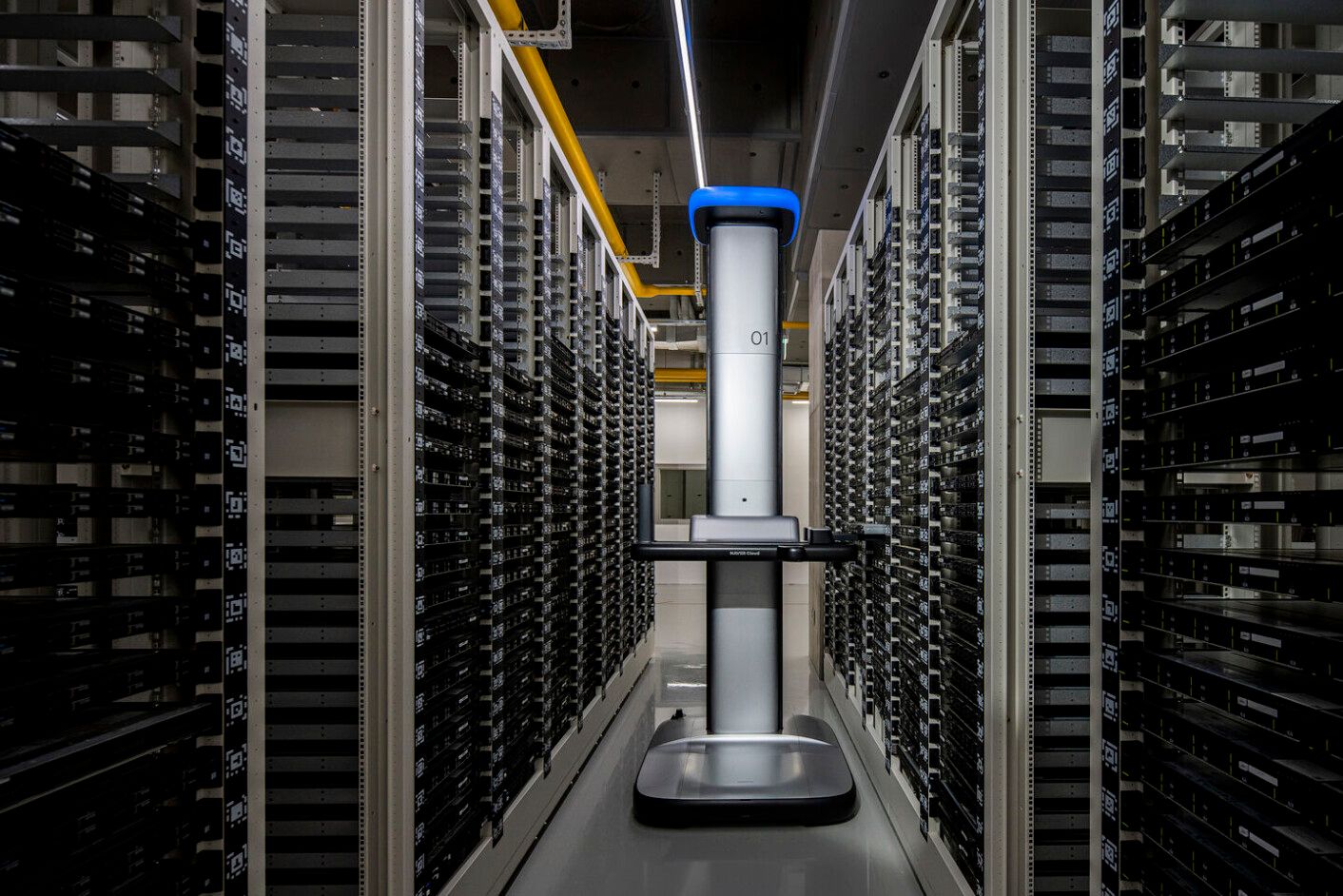
Data center infrastructure company Elice plunged as much as 32 percent in its trading debut on South Korea's tech-heavy Kosdaq market on Tuesday, a rough start for the year's biggest initial public offering on the exchange. The Elice IPO raised 201 billion won, about 151 million dollars, after pricing shares at 90,500 won, the top of the marketed range, for a post-listing market value exceeding 1 trillion won.
Shares of the Seoul-based neocloud provider fell to 61,400 won in early trading on its Kosdaq debut, after a brief opening pop to around 78,000 won that was itself still 14 percent below the offer price. Despite the selloff, the Elice IPO generated enormous demand from domestic retail investors, who poured roughly 10.3 trillion won into subscription deposits in hopes of buying shares. The retail tranche was oversubscribed more than 400 times.
Elice IPO tests appetite for AI infrastructure
The Elice IPO comes at a time when sentiment toward artificial intelligence infrastructure companies has weakened, particularly in the United States, according to Albert Yong, managing partner and chief investment officer at Petra Capital Management. Albert Yong said sentiment toward the sector has been highly volatile and often disconnected from underlying fundamentals, a dynamic the debut appears to confirm.
Ahead of the Elice IPO, the company touted a 200 percent surge in first-half revenue to 34.4 billion won, according to its prospectus. The company swung to an operating profit of 10.3 billion won, while earnings before interest, taxes, depreciation and amortization jumped more than 11-fold to 23.2 billion won. Those figures won over retail buyers but did not convince institutional investors to hold the stock once trading began. Management has said the proceeds will fund capacity expansion and new facilities as demand for AI computing grows.
Elice IPO joins string of data center setbacks
The Elice IPO is the latest in a series of setbacks for data center infrastructure companies around the world. Firmus Grid canceled its high-profile Sydney listing this month as concerns over borrowing costs, fierce competition and long-term returns from massive AI-related spending weighed on valuations. Firmus Grid had been one of the most anticipated technology listings of the year before investors balked at its valuation.
CoreWeave shares have more than halved since their May peak, and CoreWeave shares remain under pressure as investors question the durability of the neocloud business model. AirTrunk is delaying a planned initial public offering of a real estate investment trust, while Nscale is facing pushback over its target IPO valuation, according to people familiar with the matter. The pattern suggests investors are growing selective about which AI infrastructure stories they are willing to fund.
The broader market reflected the same anxiety on Tuesday. South Korea's Kospi index fell more than 2 percent, with chip heavyweight SK Hynix heading for its lowest close since April, while the MSCI Asia Pacific Index slipped 0.6 percent. The selloff broke with a chip-led rally on Wall Street a day earlier, and the Elice IPO stumble added to signs of pressure on the artificial intelligence trade ahead of earnings from major technology companies including Meta Platforms and Tesla this week. Investors are also watching the Bank of Korea's next rate decision, since elevated borrowing costs have raised financing expenses for capital-intensive data center projects.
For investors, the Elice IPO is a reminder that strong prospectus numbers do not guarantee a warm reception when market mood turns. The Kosdaq debut will be studied closely by bankers preparing other technology listings in Asia, as the industry waits to see whether the plunge was a one-day event or the start of a longer reassessment. The neocloud provider now faces the harder task of proving its business in public markets after one of the ugliest debuts of the year.