
FDA proposes infant formula rule, first since 1998
The FDA proposed its first update to infant formula nutrient requirements since 1998, covering iodine, manganese and vitamins A and D.
by Trends DeskNovember 19, 20263 min read
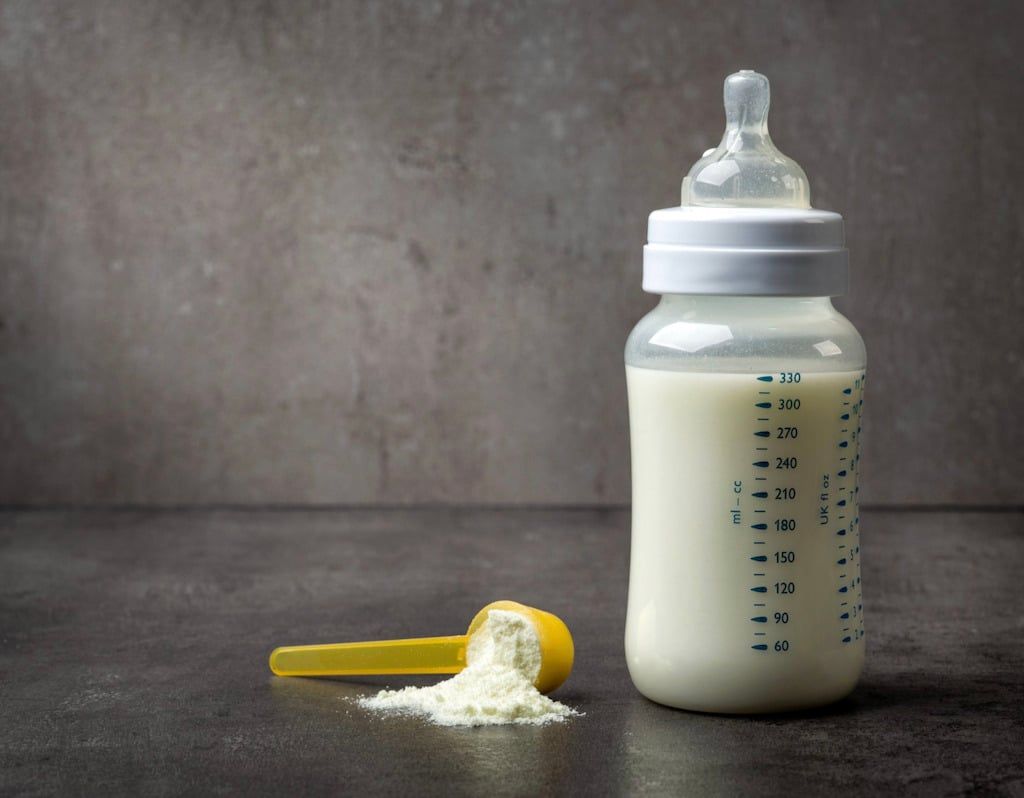
The Food and Drug Administration proposed updates to infant formula nutrient requirements on October 29, the first revision of the standards since 1998. The proposed infant formula rule would update the minimum or maximum levels of iodine, manganese, and vitamins A and D. It would reaffirm existing requirements for chloride, potassium, selenium and sodium. The rule would also change the units used to measure vitamins A and D.
Infant formula is a manufactured food meant to serve as a complete nutrition source for babies who are not breastfed. Federal rules set the nutrient levels formula must contain so that it can support growth in the first year of life. The FDA infant formula standards date to 1998, and the agency said the proposal reflects current science on infant nutrition. Because the document is a proposed rule, its terms are not yet final. The infant formula rule is a proposal, not a final standard, and manufacturers would face a compliance timeline only once a final rule is published. The FDA regulates infant formula as a food under federal law, and makers must tell the agency before marketing a new product. The agency also sets rules for labeling and nutrient content. The infant formula nutrients named in the proposal are part of a wider set of required nutrients that formula must contain. Those infant formula nutrients work alongside the rest of the required set to support growth in the first year of life.
Infant formula rule changes for vitamins and minerals
The infant formula rule would set new minimum or maximum levels for four nutrients. Iodine supports thyroid function, and vitamin D supports bone health. Vitamin A supports vision and immune function, and manganese is a trace mineral the body uses in small amounts. The proposal would reaffirm the existing requirements for chloride, potassium, selenium and sodium rather than changing them. Changing the units for vitamins A and D would bring the labels in line with current measurement practice.
Manufacturers would need to adjust their products if the infant formula rule becomes final in its current form, and the FDA would set a compliance timeline in a final rule. Parents would not need to change what they feed their babies until a final rule takes effect. The agency reviews infant formula products for nutrient content and safety, and formula makers must notify the FDA before marketing a new product.
Infant formula rule seeks input on added ingredients
The infant formula rule also asks for public input on ingredients that are not currently required in infant formula but are commonly added by manufacturers because of their nutritional value. That request covers ingredients companies already put in some products on their own. The FDA is asking whether those ingredients should carry requirements of their own, and what levels would be appropriate. The answers will shape whether the final rule goes beyond the nutrients named in the proposal.
Infant formula comments on the proposal are open through February 26, 2027. The FDA infant formula proposal invites comments from pediatric groups, manufacturers and parents. The FDA will review the infant formula comments before deciding on a final rule, and it may change the proposal in response to what it receives. Until then, the nutrient requirements set in 1998 remain the rules manufacturers must follow. The comment period gives pediatric groups, manufacturers and parents a chance to weigh in on the standards.
Related articles in Health
View all Health →Browse more stories in Health.