Federal Reserve expected to pause rate hikes this week
Federal Reserve policymakers have signalled they will hold US short-term borrowing costs steady this week, Reuters reported on October 26.
by Trends DeskOctober 26, 20264 min read
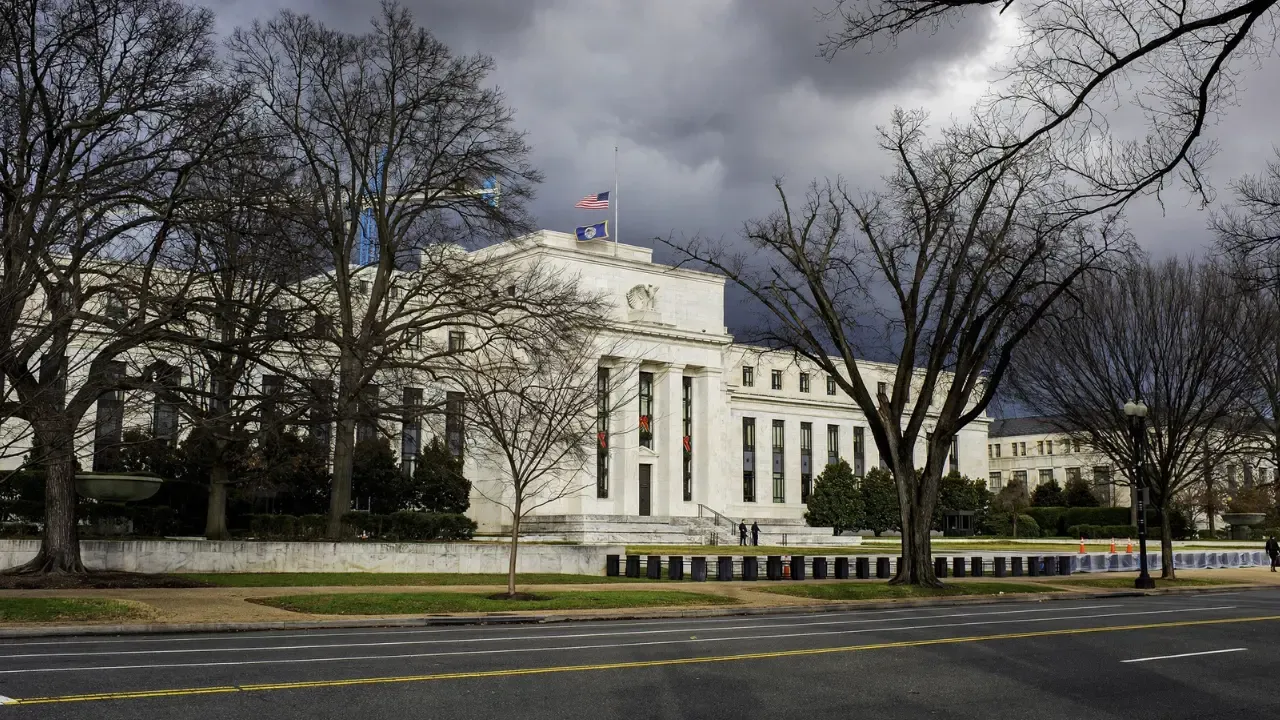
Federal Reserve policymakers have signalled they will not raise US short-term borrowing costs again this week, Reuters reported on October 26. The Federal Reserve is expected to hold rates steady in the 3.75 percent to 4.00 percent range at its October 27-28 meeting. Investors still believe a pause will not last for long, because inflation concerns remain at the centre of the debate. Data due just one day after the decision are expected to show why the pressure has not gone away. Inflation picked up last month and broadened well beyond rising fuel prices, according to the report. US economic growth accelerated last quarter, with gains powered by solid consumer spending and surging business investment driven by demand for artificial intelligence. The labour market has been stable. The unemployment rate was 4.2 percent last month, and weekly unemployment insurance claims are running lower than at any point in Federal Reserve Chairman Kevin Warsh's lifetime, the report said.
The case for holding
Financial markets responded to recent signals from Federal Reserve officials by cutting bets on a rate hike. As of Friday, rate futures were pricing a 90 percent chance of a hold at the October 27-28 meeting. That shift followed a sharp rise in US Treasury yields in the weeks after the Federal Reserve's September rate hike. The rise in yields prompted a number of officials, including New York Fed President John Williams and Vice Chair Philip Jefferson, to signal that the Federal Reserve is content to wait for more data before deciding what to do next. Officials were concerned that yields near quarter-century highs on the 10-year Treasury could slow the economy more than they intended. A hike on top of that tightening in financial conditions could have added restraint that policymakers did not plan. Waiting gives officials time to see whether higher yields do part of the work of cooling demand on their own, and whether inflation data confirm or soften the recent pickup.
Data on the table
Nationwide Chief Economist Kathy Bostjancic said the data since the last meeting pointed in a different direction from a pause. "The data, in my opinion, do support a rate hike," she said, noting a strong economy, a strong consumer and labour market, and inflation that deteriorated and went the wrong way. Her view shows the tension inside the current debate. On one side, growth and spending look firm, and inflation has broadened beyond fuel. On the other side, financial conditions have already tightened through higher Treasury yields, and officials want more evidence before adding to that tightening. The reports due after the meeting will test both views. If inflation stays broad and growth stays firm, the case for another move will strengthen. If the data soften, the pause will look easier to defend. It remains in its blackout period ahead of the meeting, so no officials are speaking publicly to guide expectations further. That leaves investors to read the data as it arrives, rather than waiting for a fresh signal from policymakers.
Borrowers and markets
Interest rates set by the central bank feed through to borrowing costs across the economy, from mortgages and car loans to business loans and credit cards. When rates are held steady, those costs do not rise further in the short term, but they also do not fall. For households, that means monthly payments on new loans stay near current levels. For businesses, it means investment plans are judged against borrowing costs that remain high by recent standards. For markets, the path of interest rates shapes how stocks and bonds are valued, because higher rates tend to lower the present value of future earnings and cash flows. Treasury yields matter here as well, because they set a benchmark for many other rates. A rise in Treasury yields can tighten conditions even when the Federal Reserve does nothing. That is why officials paid close attention to the move in yields after September. The October meeting will not settle the longer question of whether rates need to rise again. It will show whether policymakers think the current setting, combined with higher market yields, is enough for now. The answer to that question will depend on the inflation and growth reports that follow the decision, and on whether yields stay near their recent highs or fall back.