
Festive spending hangover: get finances back on track
Diwali is over and the bills are arriving. A short review of what the season cost, and a plan for the card dues, can put household finances back on track.
by Trends DeskNovember 19, 20263 min read
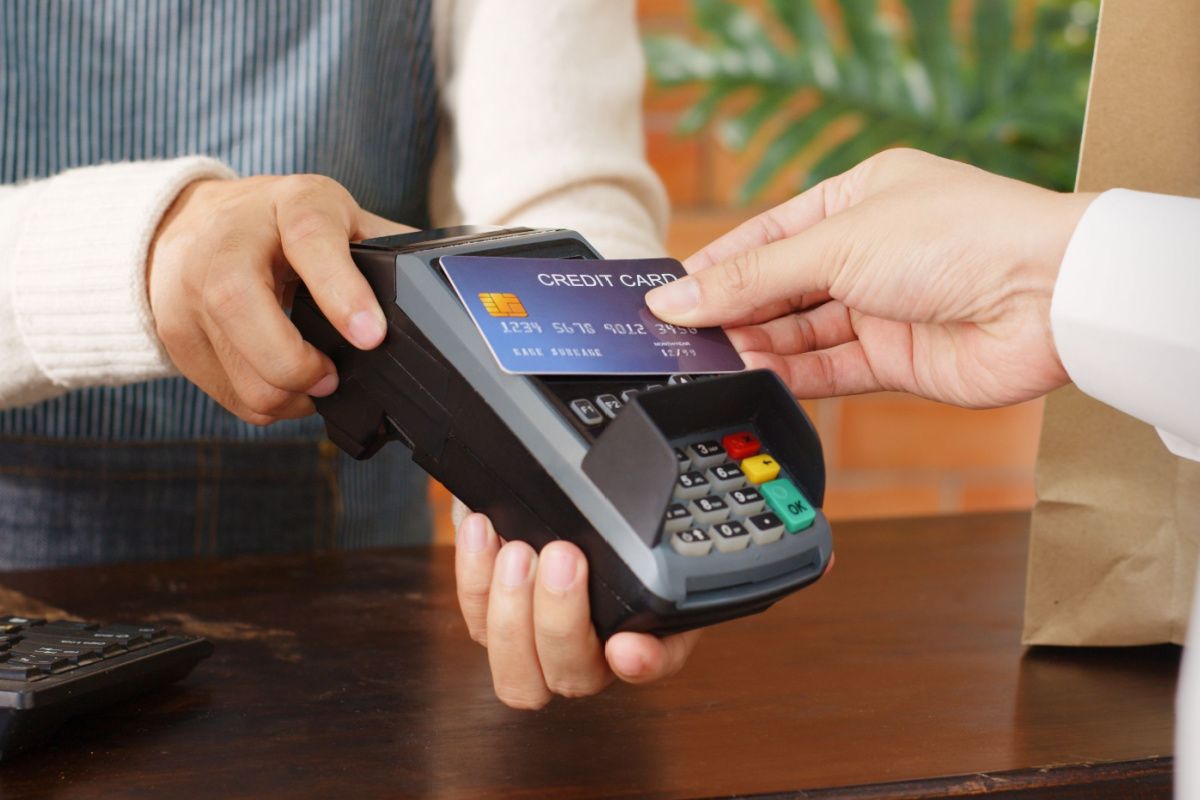
Diwali is over, and for many households the bills are just arriving. Gifts, clothes, sweets, travel and eating out can push a month's spending well past its usual level, and much of it sits on credit cards or buy-now-pay-later plans. Festive spending is easy to enjoy and hard to undo, but a short review of what the season cost can put the next two months back on track.
The scale of the season is large. Total festive spending by urban households is estimated at Rs 1.97 lakh crore this year, down 6 per cent from Rs 2.10 lakh crore in 2025, according to a survey by LocalCircles. Nearly one in three households plans no discretionary spending at all, and a study by consumer insights firm Saarva found that 77 per cent of urban consumers plan to spend more than in a regular month, though in only 1.3 categories on average. Close to half of urban Indian households cross Rs 1 lakh in overall Diwali spending each year, according to a nationwide festive spending survey cited by IDFC FIRST Bank.
The first step is to add up what the season cost. Pull together bank statements, UPI history and credit card bills, and list every festive expense in one place, including gifts, clothes, sweets, decorations, travel and eating out. Festive spending is spread across cash, cards and UPI, so the total is easy to undercount. Cash spends on decor, sweets and pooja items often escape the bank statement, so they are easy to miss. The point is to know the size of the overspend before deciding what to cut.
Add up the festive spending first
Next, check the credit card bills that carry interest. Paying only the minimum due on a credit card can attract interest of 2.5 to 4 per cent a month, or roughly 30 to 48 per cent a year, according to IDFC FIRST Bank. Credit card dues and buy-now-pay-later balances should come first, since they cost far more than most other monthly expenses. Borrower counselling data from Expert Panel shows that 40 per cent of borrowers are managing existing EMIs by taking fresh loans or using credit cards, a pattern that turns one liability into another.
Clear high-cost festive spending debt first
A lean household budget for the next month or two is the practical fix. List take-home income, fixed expenses, essential variable expenses, debt payments and savings, and pause non-essential shopping for a defined period. A simple split is 50 per cent for needs, 30 per cent for wants and 20 per cent for savings, though the exact shares matter less than sticking to them. The aim is to bring festive spending back in line with income before the next salary arrives. A 48-hour wait before any non-essential purchase stops most impulse buys.
Rebuild the emergency fund
Festive spending often eats into savings set aside for emergencies, so rebuilding that cushion comes next once the costly dues are cleared. Most financial advisers suggest keeping three to six months of essential expenses in an emergency fund. For a household spending Rs 30,000 a month on essentials, that means Rs 90,000 to Rs 1,80,000. Restarting with a small fixed amount, even Rs 500 or Rs 1,000 a month, is enough to begin.
A festival fund for next year is the last step. Once the dues are cleared, setting aside a fixed sum each month into a separate account means next Diwali is paid for in advance. A household budget that holds for two months after the festival is usually enough to clear the hangover, and the habit is worth keeping.
Related articles in Finance
View all Finance →Browse more stories in Finance.