
Fifth Circuit strikes Federal Switchblade Act ban
A federal appeals court ruled the Federal Switchblade Act ban on interstate switchblade trade violates the Second Amendment.
by Trends DeskNovember 19, 20263 min read
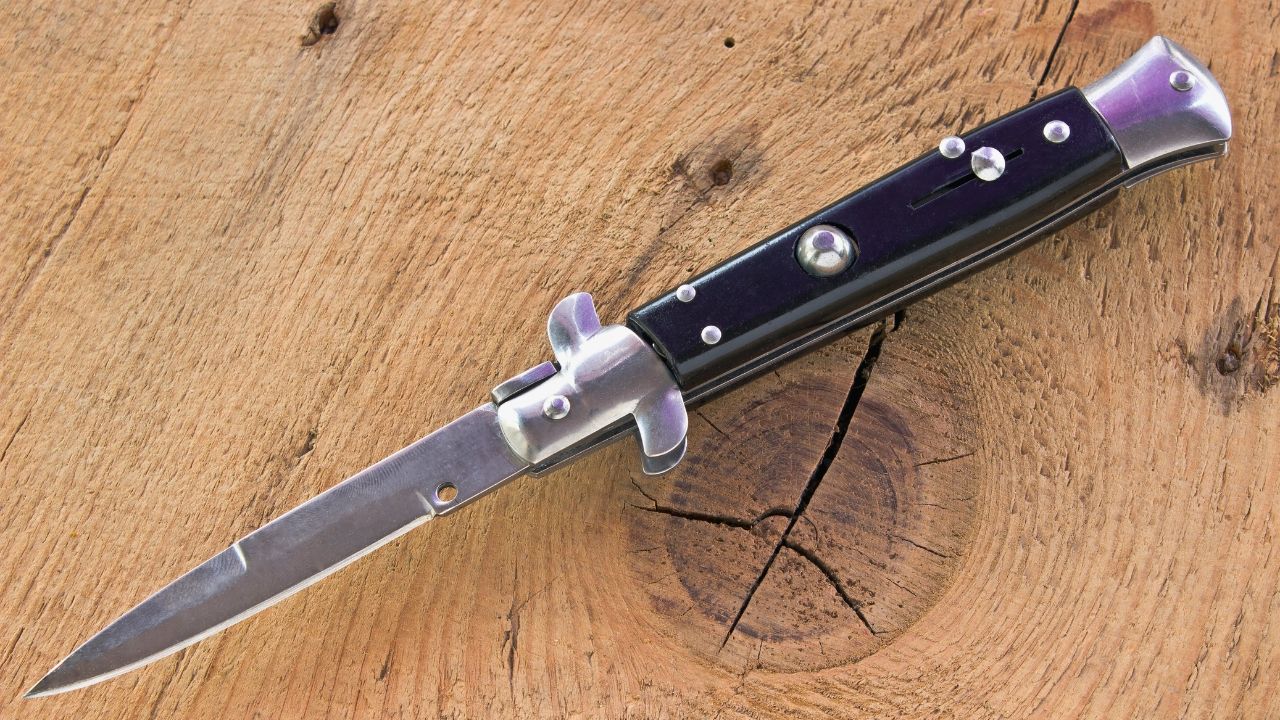
A unanimous panel of the US Court of Appeals for the Fifth Circuit ruled on October 21, 2026, that a federal ban on interstate trade in switchblade knives violates the Second Amendment. The Federal Switchblade Act case revives a lawsuit filed in Texas and sends it back to the district court for further proceedings.
Chief Judge Jennifer Walker Elrod wrote the published opinion in Knife Rights, Inc. v. Blanche, No. 25-10754, joined by Judges Don Willett and Cory Wilson. The panel held that Section 1242 of the Federal Switchblade Act violates the Second Amendment. That section made it a federal crime, punishable by up to 2,000 dollars and five years in prison, to knowingly introduce a switchblade knife into interstate commerce, manufacture one for that purpose, or transport or distribute one across state lines. The Federal Switchblade Act was passed in 1958, and the panel said the government had not shown a historical tradition to support the interstate ban.
The lawsuit was filed on September 27, 2024, by Knife Rights, five individuals and two Texas businesses: RGA Auction Solution, doing business as Firearm Solutions, and MOD Specialties. A district court in Fort Worth had dismissed the challenge. The Fifth Circuit reversed the dismissal of the Section 1242 claim and sent the case back to the US District Court for the Northern District of Texas.
How the Federal Switchblade Act case was decided
The panel applied the framework from New York State Rifle and Pistol Association v. Bruen, the Supreme Court decision from 2022. Under that framework, the court first asked whether switchblade knives are arms covered by the plain text of the Second Amendment. The panel said they are, because knives have been carried for defense for centuries and millions of automatic opening knives are lawfully owned today for utility work, hunting, fishing and camping. The Federal Switchblade Act claim therefore passed the first step, and the burden moved to the government to show a comparable historical regulation.
The government cited a survey of nearly 200 pre-1900 statutes on daggers, dirks and sword canes. The panel found only two that regulated bladed weapons in a comparable way: an 1837 Georgia law and an 1881 Arkansas act. Elrod wrote that two laws in that survey were outliers, not a tradition. The panel also said the right to bear arms necessarily includes the right to acquire arms, and that right extends to the manufacturing, transportation and distribution needed to make them available. The Federal Switchblade Act ban on those steps therefore failed the second step of the Bruen test.
What the Federal Switchblade Act ruling does not change
The ruling does not itself issue an injunction, and it does not change the text of the act for now. The government may seek further review, including en banc review by the full Fifth Circuit. The panel separately upheld the dismissal of the challenge to Section 1243, which covers switchblade manufacture, sale and possession in US territories, Indian country and places within special federal maritime and territorial jurisdiction. The import ban was not part of the appeal.
State laws are also untouched by the decision. Texas had already removed switchblade knives from its prohibited weapons list through House Bill 1862, which took effect on September 1, 2013. Other state laws that regulate the sale, possession or carrying of automatic knives remain in place, and the Fifth Circuit ruling covers Texas, Louisiana and Mississippi. The Federal Switchblade Act case now returns to the district court, where the parties will litigate the next steps after the reversal of the dismissal.
Related articles in Law & Government
View all Law & Government →Browse more stories in Law & Government.