
Court bars forced vehicle repossession by finance firms
Vehicle repossession must go through a court or an arbitrator, the Allahabad High Court has held, ruling out seizure by force through recovery agents.
by Trends DeskNovember 19, 20264 min read
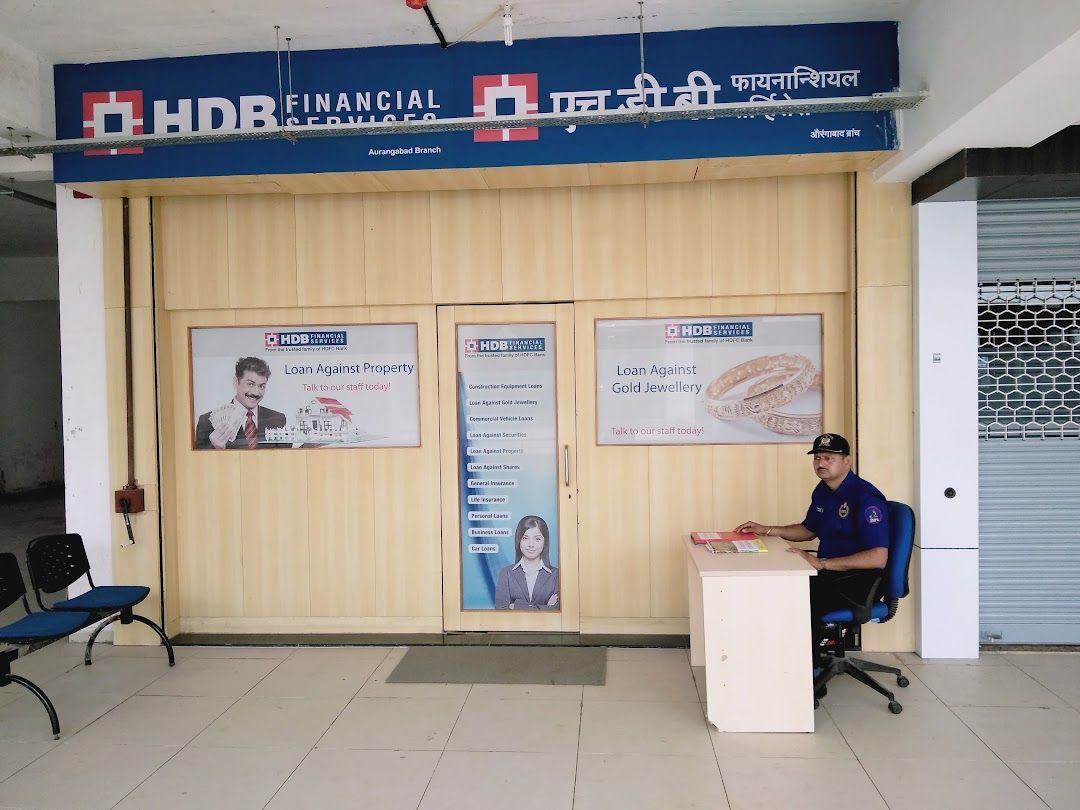
Finance companies cannot enforce vehicle repossession by force, the Allahabad High Court has held, ruling that a lender must go through a court or an arbitrator to take back a vehicle after a loan default.
A Division Bench of Justices JJ Munir and Indrajeet Shukla gave the ruling in a judgment dated 26 October, in the case of Sadab Ahmad v State of UP and others. The bench said that allowing a finance company to seize a vehicle by force would be virtually arming a private party with the coercive authority of the State.
Sadab Ahmad, a self-employed man, bought a Tata goods carrier in December 2023 with a loan of Rs 20.32 lakh from HDB Financial Services, repayable in 45 instalments of Rs 64,059 each. He told the court he had paid 31 of the 45 instalments when the vehicle was seized.
On 9 August 2026, men acting for the finance company intercepted Ahmad at Chandauli while he was driving, threatened him at gunpoint, took the vehicle and made him sign a repossession inventory. The vehicle repossession, he told the court, had nothing to do with his own loan account: the company later said it was linked to a loan taken by his brother, Shoaib Ahmad, who had defaulted and whose vehicle could not be traced.
Vehicle repossession must go through a court
The bench accepted that a hire-purchase or loan agreement may give the financier an enforceable right to take back the vehicle. "The right of the finance company engrafted into a hire-purchase agreement to seize the chattel, the vehicle here, purchased on hire-purchase, gives an enforceable right no doubt to the finance company, but that enforcement has to be done through a process known to law. It cannot be done by force employing goons, styled as agents," the court said.
The court noted that the company had started arbitration against Ahmad's brother and obtained an award, but the award allowed repossession of the brother's vehicle only through an authorised representative of the finance company, with police assistance. The company had not started the same process in Ahmad's own case. Vehicle repossession by private force, the bench said, is not the same as enforcement through a forum known to law.
Vehicle repossession and the gunpoint seizure
The company told the court that Ahmad's loan account was linked to his brother's account, and that Ahmad himself had defaulted, with 30 post-dated cheques bouncing and his loan account terminated. The court found that Ahmad had regularly paid his instalments and had paid the charges when cheques bounced. It questioned why the company had the vehicle seized at gunpoint instead of starting arbitration and seeking interim orders, as it had done in his brother's case. The bench said vehicle repossession cannot be carried out by recovery agents who waylay the hirer or his driver and seize the vehicle at gunpoint.
The bench relied on the Supreme Court's decisions in Magma Fincorp v Rajesh Kumar Tiwari, which held that repossession cannot be carried out through physical violence, assault or criminal intimidation, and in Hari Dutta Sharma v State of UP, which found a repossession carried out without notice and by breaking open a vehicle's lock to be against the Reserve Bank of India's guidelines on recovery. Both decisions limit vehicle repossession to lawful process.
What the court ordered
The court allowed Ahmad's petition with costs of Rs 10,000. It directed HDB Financial Services to release the vehicle to him without any precondition and to restructure his loan so he can pay fresh instalments with usual interest, but no penal or extraordinary interest. If he defaults again, the company must move the civil court or the arbitrator, the court said. The ruling leaves vehicle repossession open to finance companies, but only through a court or an arbitrator.
The bench also questioned the police for their lack of action after the vehicle repossession. Ahmad had approached the police and the District Magistrate, and had made a representation to the District Magistrate on 27 August 2026. The Allahabad High Court said the matter had a public law element because an offence was committed by seizing the vehicle at gunpoint through an organised agency of recovery agents. The court said Ahmad should have approached a civil judge, while noting that litigants regard civil judges as holding weak authority. The question of any default by Ahmad was left open for a competent forum to decide.
Related articles in Finance
View all Finance →Browse more stories in Finance.