Florida social media law wins court backing for kids
Florida social media law: appeals court allows Florida to enforce restrictions on children's social media use, a national test case.
by Trends DeskOctober 18, 20263 min read

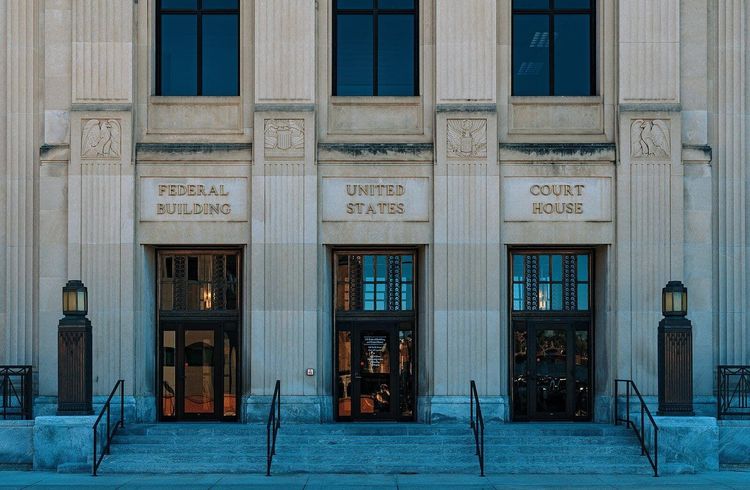
Florida has won a key court ruling allowing it to enforce a state law targeting children's use of social media, a significant victory for supporters of kids online safety. The appeals court decision, reported by WLRN, clears the way for the state to implement one of the nation's most aggressive efforts to limit how minors engage with social media. The Florida social media law now moves toward enforcement after months of legal uncertainty.
The law restricts children's access to social media platforms, reflecting growing bipartisan concern about the effects of algorithm-driven feeds on teen mental health, sleep and development. Florida lawmakers who backed the measure argued that parents needed the force of law behind household rules, and that platforms had failed to protect young users on their own. The Florida social media law makes the state a national test case for whether governments can effectively impose social media age restrictions.
Tech industry groups challenged the law, arguing it violates the First Amendment rights of both minors and platforms and is unworkable in practice. The tech industry lawsuit against the measure sought to block enforcement before it could begin. The appeals court ruling rejected that effort, at least for now, handing Florida a procedural and substantive win that other states will study closely.
Florida social media law survives court challenge
The court's decision in the Florida social media law case turned on familiar but unresolved questions about speech, parental authority and the power of states to regulate the internet. Judges weighing such laws must balance minors' First Amendment interests against the state's recognized authority to protect children, a balance the Supreme Court has addressed in other contexts but never definitively for social media age restrictions.
Florida's lawyers argued the law is a valid exercise of the state's power to safeguard youth welfare, pointing to mounting research on teen mental health harms linked to heavy social media use. Industry challengers countered that age-verification requirements burden adults' anonymous speech and that the law's definitions sweep too broadly. The Florida social media law ruling suggests the court found the state's child-protection interests weighty enough to let enforcement proceed.
The decision does not end the legal fight. The underlying constitutional challenge continues, and the tech industry lawsuit is widely expected to press forward, potentially to the Supreme Court. But rulings allowing enforcement during litigation shift the practical reality: the law operates while the courts deliberate, changing behavior in the meantime.
What the Florida social media law means for families
For Florida families, the Florida social media law promises a new backstop for parental decisions about screen time and kids online safety. Supporters say many parents feel outgunned by platforms engineered to maximize engagement, and welcome a law that sets a clear, enforceable boundary. Enforcement will fall to the state attorney general's office, which can pursue platforms that fail to comply with the social media age restrictions.
Practical questions abound. Age verification remains technically and legally fraught, raising concerns about the privacy of the very minors the law aims to protect. Platforms must decide how to identify underage users without collecting sensitive documents from everyone, a challenge the industry says has no clean solution. How Florida enforces these requirements will be watched as a preview of what national regulation might entail.
Florida social media law and the national debate
Florida is not alone in targeting youth social media use, but its law is among the most far-reaching, and the court victory gives momentum to similar efforts in other states. A patchwork of state laws is emerging, each testing different theories of what the Constitution permits, and advocates frame each one as a kids online safety measure. The Florida social media law now stands as the leading example of the restrictive end of that spectrum.
Ultimately, the fate of such laws may rest with the Supreme Court, which has yet to rule directly on age-gated social media restrictions for minors. Until then, Florida's enforcement experiment will generate the real-world evidence, on effectiveness, compliance costs and teen mental health outcomes, that future courts and legislatures will need.