
Haryana to add 19 neonatal ventilators worth Rs 7 crore
Haryana will add 19 neonatal ventilators worth about Rs 7 crore to government hospitals, after a newborn died in Hisar while waiting for ventilator support.
by Trends DeskNovember 19, 20264 min read
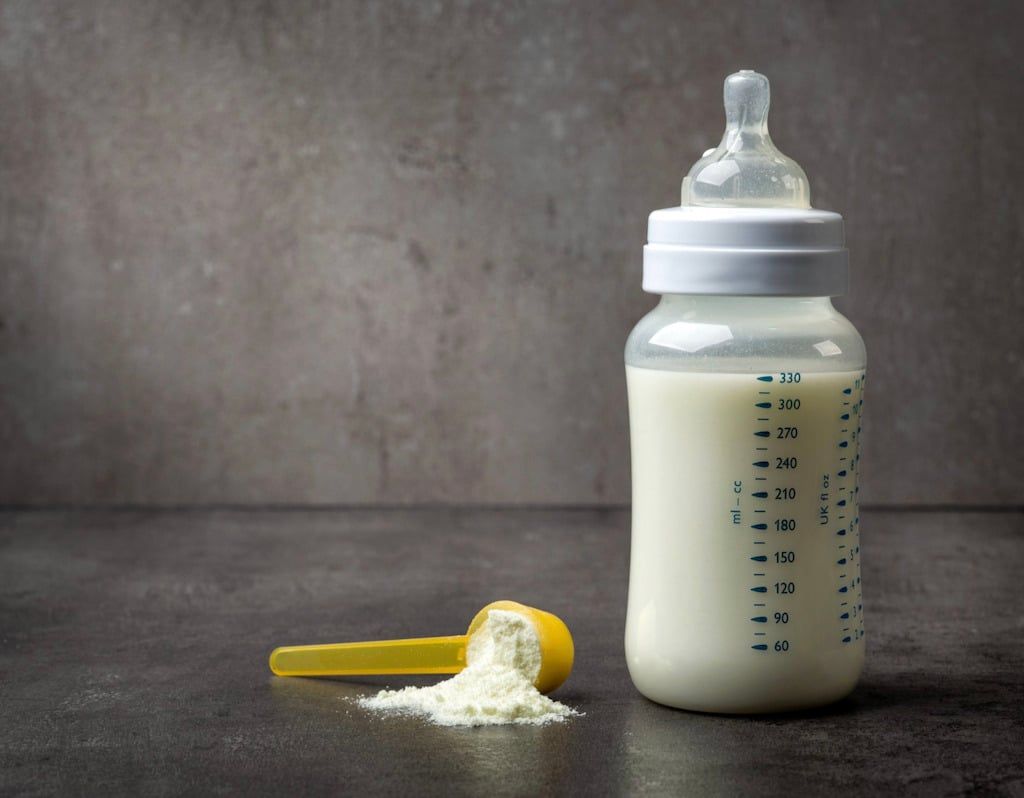
Haryana is adding 19 additional neonatal ventilators worth approximately Rs 7 crore to strengthen newborn care in government hospitals across the state. The move was announced in Chandigarh on 4 November as part of efforts to save the lives of critically ill newborns. The new neonatal ventilators will add to the equipment already in place in district hospitals and medical colleges, where beds for sick newborns often run full. Haryana newborn care has been under close watch since July, when a baby died after hospitals in two districts could not find a working ventilator in time.
The July case showed how thin the cover can be. A baby born by emergency caesarean section on 1 July at Civil Hospital in Hisar needed mechanical ventilation at once, but the only neonatal ventilator at the hospital was already in use. Doctors referred the baby to Maharaja Agrasen Medical College at Agroha, where staff found no working ventilator either. The family then travelled nearly 100 kilometres to the Post Graduate Institute of Medical Sciences at Rohtak, where no NICU bed with a ventilator was free. The baby was taken back to Hisar and died at a private clinic on 2 July, after nearly a day without ventilator support.
The National Human Rights Commission took suo motu cognisance of the death and issued a notice to the Haryana chief secretary, seeking a detailed report within two weeks. The Haryana Human Rights Commission also sought reports from the state authorities on neonatal intensive care facilities, referral systems and the state of critical equipment. Media reports cited by the commission said Civil Hospital in Hisar had only one neonatal ventilator in use at the time, and that of nearly 40 ventilators in the hospital, around 25 were lying unused while about 13 had stopped working because of technical faults. The commission said timely access to emergency medical treatment forms part of the right to life under Article 21 of the Constitution.
Why Haryana needs more neonatal ventilators
Neonatal ventilators do the work of breathing for babies whose lungs cannot manage on their own, and the need is greatest for premature babies, babies with low birth weight and babies born with birth asphyxia. Infant mortality falls when sick newborns get breathing support in time, and Haryana newborn care depends on a chain of special newborn care units, newborn stabilisation units and newborn care corners in district hospitals, and a gap at any point in that chain can leave a sick baby with nowhere to go. The 19 new machines are meant to close part of that gap, so that a baby who needs breathing support can get it at the hospital where the baby is born, rather than after a long referral.
What happened in Hisar in July
The Hisar case turned on referrals. Each hospital the baby was taken to had no neonatal ventilators free, and each referral cost hours. The National Human Rights Commission observed that the reports, if true, raise serious questions about human rights, and it asked the state for a full account of what happened and what has changed since. The state human rights commission asked whether a real-time system exists to track intensive care and neonatal beds and ventilators across Haryana, and if not, when one would be put in place. It also asked for district-wise details of NICUs and neonatal ventilators in government hospitals.
What the new neonatal ventilators will add
The new neonatal ventilators join a network of special newborn care units (SNCUs) that has grown in recent years. Haryana had 24 SNCUs before four more were opened at Civil Hospital in Charkhi Dadri, First Referral Unit-2 in Sector 3 Faridabad, Sub District Hospital in Narwana and Sub District Hospital in Sohna, taking the total to 28. Each SNCU provides free admission, medication, tests, meals for mothers and ambulance services, with radiant warmers, phototherapy, multi-parameter monitors and oxygen equipment for premature babies and babies with infections, jaundice or birth asphyxia. The infant mortality rate in Haryana stands at 28 per 1,000 live births, down from 41 in 2013, and the neonatal mortality rate has fallen from 26 to 19 over the same period. The new neonatal ventilators give the state more room to keep that fall going, and the question now is whether the equipment reaches the hospitals that need it most and stays in working order once it arrives.
Related articles in Health
View all Health →Browse more stories in Health.