
Delhi AQI stays severe: what to check before going out
Delhi AQI stayed severe after Diwali, with several monitoring stations above 400. Check the air, wear an N95 mask and keep outdoor time short.
by Trends DeskNovember 19, 20263 min read
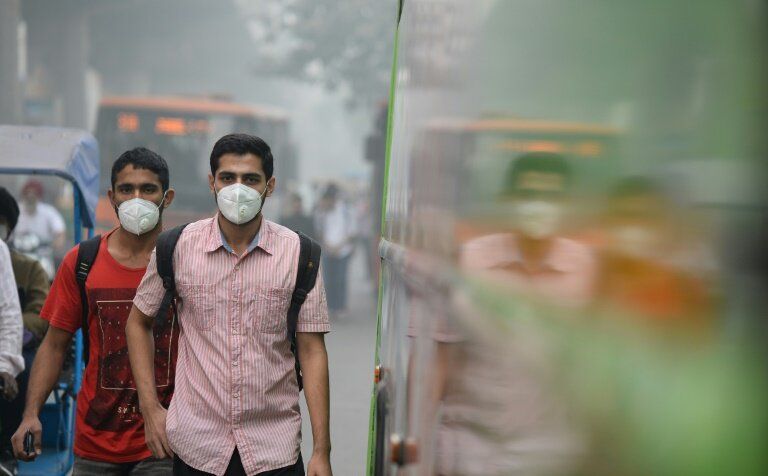
Delhi AQI stayed in the severe band on Monday morning after Diwali, with the citywide average reported at around 370 by the Central Pollution Control Board and several monitoring stations above 400. Rohini recorded 475 and the Indian Institute of Technology Delhi recorded 472, while dense fog cut visibility at Safdarjung to 50 metres. The Commission for Air Quality Management kept Stage III of the Graded Response Action Plan (GRAP) in force, with construction and vehicle curbs in place. Delhi AQI readings stayed high through the morning as calm winds held smoke and haze over the city.
The immediate danger comes from fine particulate matter, known as PM2.5. These particles measure 2.5 micrometres or less, small enough to pass deep into the lungs and in some cases enter the bloodstream. Short-term exposure can cause burning eyes, a sore throat, coughing, sneezing, headaches, dizziness, wheezing and breathlessness. People with asthma, bronchitis and other lung conditions may find their symptoms get worse, and fine particles can also strain the heart. When Delhi AQI sits at these levels, air pollution of this kind raises the short-term risk of heart attacks and strokes for people with heart disease, high blood pressure or diabetes.
Children, older people, pregnant women and people with asthma, chronic obstructive pulmonary disease, heart disease or other long-term illness face the highest risk when Delhi AQI is severe. The World Health Organization notes that PM2.5 can affect several organs and raise the risk of respiratory and cardiovascular disease. Symptoms can start within hours of exposure and can linger after a person returns indoors. Dr Viny Kantroo, senior consultant in respiratory medicine at Indraprastha Apollo Hospital in New Delhi, said short-term exposure to high levels of particulate pollution can increase the risk of heart attacks and strokes, and that the risk is higher in people with hypertension, diabetes or existing heart disease.
How Delhi AQI affects your health
The Delhi AQI reading matters because it tracks the mix of air pollution in the city, and PM2.5 drives most of the harm at these levels. The particles trigger inflammation in the lungs and blood vessels, which is why breathing gets harder and why the heart has to work more. People with no lung condition can still feel the effects within hours, with irritation in the eyes, nose and throat, a tight chest and a cough that does not settle. The official scale runs from 0 to 500, and anything above 400 counts as severe. Some private monitors showed far higher short-term peaks, but those figures come from different instruments and averaging periods and do not match the official scale.
What to check before you go out
Check the Delhi AQI before you leave the house, and stay indoors as much as possible while the reading is severe. Skip morning walks, jogging, cycling and other outdoor exercise, since physical effort pulls more polluted air into the lungs. If you must go out, wear a well-fitted N95 mask, since cloth masks and ordinary surgical masks do not filter fine particles. An N95 mask only helps when it seals well around the nose and mouth. Keep windows shut and run a HEPA air purifier indoors if you have one. Fog adds a second risk on the roads, so use fog lights while driving and check with airlines, railways and transport authorities before you travel.
Why Delhi AQI may stay severe for days
The spike followed Diwali, when firecracker smoke added to vehicle exhaust and crop burning under calm winds. The Supreme Court had permitted the sale and limited bursting of certified green firecrackers during narrow windows on 7 and 8 November, but media and resident reports said fireworks continued beyond the permitted hours. GRAP Stage III stays in force while forecasters expect Delhi AQI to stay severe for several days, and the curbs on construction and vehicles will stay until the air clears. The Commission for Air Quality Management invoked Stage III before the festival, and it has kept the measures in place as the haze lingers over the capital.
Related articles in Health
View all Health →Browse more stories in Health.