Hospital Real Estate Sales May Prove Costly, Report Warns
US hospitals are selling real estate to raise cash, but the deals may prove costly as sale-leasebacks lock them into decades of rising rents.
by Trends DeskOctober 18, 20263 min read
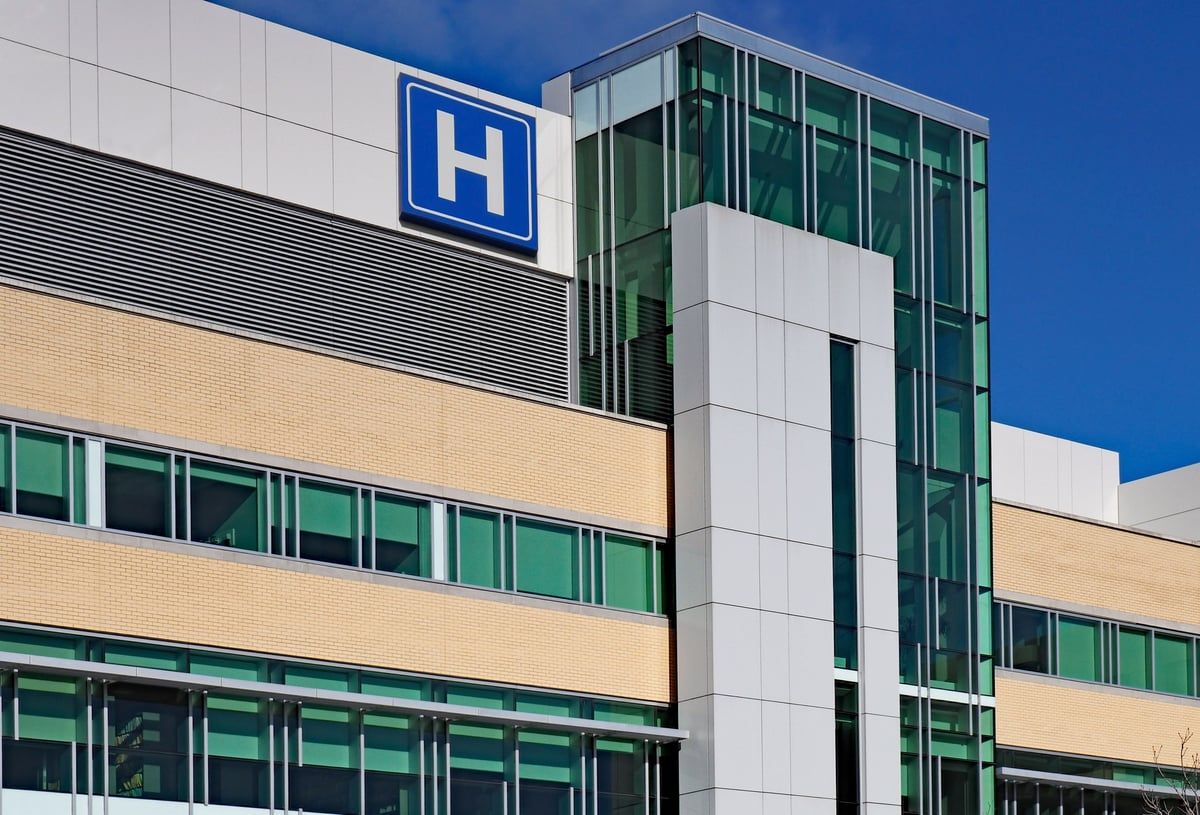
A wave of hospital real estate sales is sweeping U.S. health systems, and a closer look at the deals suggests the transactions may prove costly in the long run. The trend, detailed by Modern Healthcare, reflects the financial pressure facing hospitals — but analysts warn that selling the land and buildings beneath a hospital can saddle operators with decades of rising rent and strip them of valuable assets.
The most common structure is the sale-leaseback: a hospital sells its property to an investor and immediately leases it back. The upfront cash can plug budget holes, fund expansions or pay down debt. But the fine print often locks the hospital into long leases with built-in rent escalators, turning a short-term windfall into a lasting obligation. Each hospital real estate sales transaction converts a permanent asset into a recurring expense, a trade-off boards must weigh carefully.
Why Hospital Real Estate Sales Are Accelerating
Hospital real estate sales are being driven by a sustained squeeze on operating margins. Labor costs remain elevated, reimbursement rates have not kept pace, and many systems are still repairing balance sheets damaged in recent years. For executives under pressure to show results, hospital property sales offer one of the fastest ways to unlock capital without cutting services.
Investors are eager buyers. Healthcare real estate is prized for its defensive qualities: hospitals rarely relocate, leases run long, and demand for care is steady. That appetite has drawn private capital into medical property deals at a pace that would have been unusual a decade ago, pushing valuations higher and making sales even more tempting for hospital boards.
The Hidden Costs of Hospital Real Estate Sales
Critics of hospital real estate sales argue the math rarely favors the seller over time. Once the property is gone, the hospital loses control over its own footprint — future expansions, renovations and even signage can require a landlord's approval. Worse, if the buyer later sells the portfolio or raises rents aggressively, the hospital has little leverage.
There is also a strategic cost. Real estate has traditionally been the most valuable asset on a hospital's balance sheet, a cushion that underwrites borrowing and signals stability to bondholders. Stripping it away can weaken credit profiles, raising the cost of future debt — an ironic outcome for hospital property sales undertaken to strengthen finances. That dynamic is why some analysts view hospital real estate sales as a last resort rather than a first choice.
What Hospital Real Estate Sales Mean for Patients
For patients, the consequences of hospital real estate sales are mostly indirect — until they are not. Higher facility costs eventually feed into the cost of care, and a landlord focused on returns may be less accommodating about community programs that do not pay. Healthcare real estate deals are, at bottom, financial engineering layered onto institutions whose mission is care.
Defenders of the deals say the alternative is worse: without the capital from medical property deals, struggling hospitals might cut services or close entirely. In that light, hospital property sales are a lifeline, not a giveaway. The truth, as usual, depends on the terms — and on whether boards negotiate leases with the same rigor they apply to the sale price. Still, the continued growth of hospital real estate sales shows how powerful the incentives on both sides remain.
What is clear is that hospital real estate sales are not slowing. As long as health systems need cash and investors want yield, the transactions will continue. The question is whether today's sellers will look back on these deals as savvy finance or as the moment they traded away the ground beneath their feet.