"AI Agents: IBM Deploys 6,000 in Bold Consulting Move"
IBM will deploy 6,000 AI agents across its consulting workflows, pairing consultants with digital workers to lift productivity and redesign client processes.
by Trends DeskOctober 19, 20262 min read
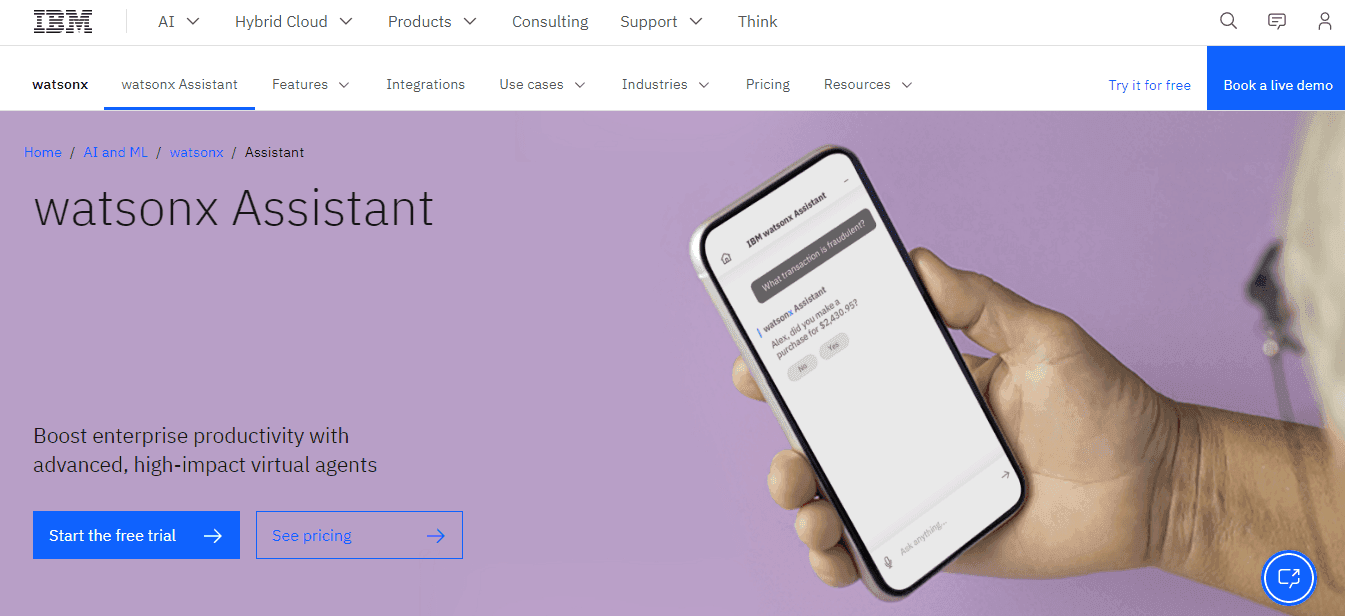
IBM has confirmed it is deploying 6,000 AI agents across its consulting work, one of the largest enterprise rollouts of autonomous software announced so far. Consultants will work in what IBM calls human-digital teams, paired with software "digital workers," to raise internal productivity and to help clients redesign their own business processes around AI.
The agents will handle multi-step tasks such as research, analysis, document drafting and project tracking. Human consultants will handle client relationships and judgment calls. IBM says the aim is more output per consultant and a working model clients can copy.
Instead of just licensing tools, IBM is rebuilding its own service delivery around agents, betting that consulting firms that master the technology internally will win the work of deploying it for clients. It is a sign of enterprise AI moving from pilots to production.
How consulting changes
Consulting has traditionally sold hours and headcount. With agents, one engagement can use dozens of software agents working in parallel, which shortens research-heavy phases. IBM argues that smaller teams will be able to finish engagements faster, and it is pitching the same team structure to clients.
Consulting firms are among the biggest buyers of AI tools, and a deployment this big suggests the industry expects agent-based delivery to become a normal part of client work within a few years.
IBM's own consultants will double as case studies. The agents used internally will be packaged for client engagements and adapted to each client's industry. Building internally and then selling externally is the core of the strategy.
Why 6,000 is a big number
Deployments of a few hundred agents are now common. Six thousand in a single business unit is ten times that, and suggests the technology has moved from experiment to infrastructure inside IBM.
Observers have long said AI agents will be judged on measurable productivity gains, not demos. IBM is now running that test in public and at a scale where the results will be hard to ignore.
Success will depend on execution: training consultants to supervise agents, fitting the software into existing client workflows and proving the economics to customers who are being asked to pay for the same transformation. If it works, IBM will sell clients the change it just made to itself, and rivals will face clients expecting the same.