
India-EU FTA wait hits luxury car sales in India
Buyers of imported luxury cars are waiting for the India-EU FTA to cut prices, and sales of some fully imported models have fallen 20-25% this year.
by Trends DeskNovember 19, 20264 min read
Some buyers of imported luxury cars in India are holding off on purchases in the hope that the India-EU FTA will cut prices, and the wait is already showing in luxury car sales. Industry executives told Moneycontrol that sales of some fully imported luxury cars have fallen by 20 to 25 percent this year. The trade agreement has not yet taken effect, but the prospect of lower import duty is enough to make buyers pause.
Porsche is one of the brands feeling the pause. An industry executive told Moneycontrol that Porsche India sales in the first nine months of 2026 were down about 20 percent from a year earlier, even though customer interest stayed high. Porsche sold 730 cars in India in 2025, against 1,006 in 2024, a fall of about 27 percent. Buyers are asking about prices after the agreement takes effect rather than placing orders now.
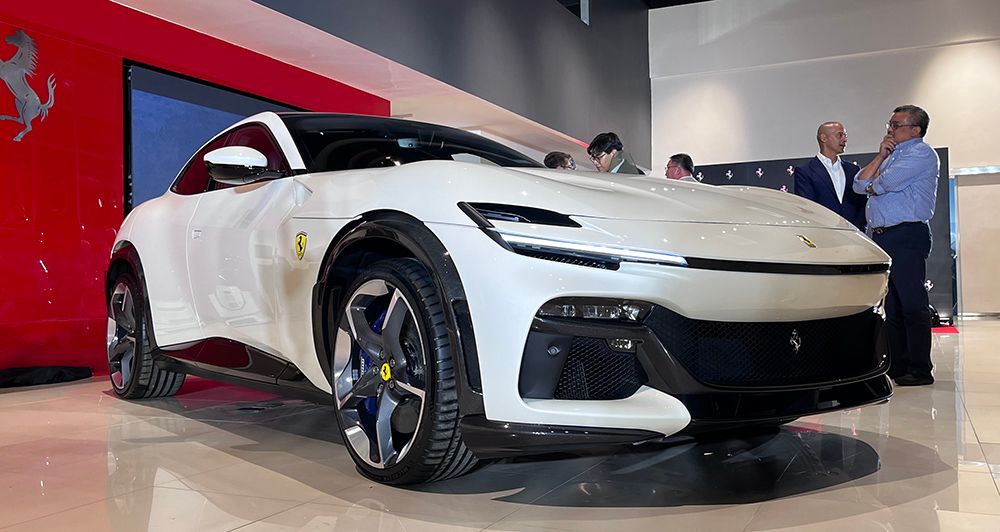
Ferrari buyers have been given a number to think about. Customers have been told that prices could fall by around 35 percent once the India-EU FTA starts, though that is an industry expectation and not a price cut announced by Ferrari. The figure comes from the tariff change the India-EU FTA promises: duties on eligible cars built in the European Union would fall in steps from up to 110 percent to 10 percent over five to 10 years, with the first cut taking them to about 30 to 35 percent.
India-EU FTA and the wait for lower duties
India and the European Union concluded negotiations on the India-EU FTA on 27 January 2026. The European Commission put forward proposals on 11 September for the agreement to be signed and concluded, but legal steps remain before it can take effect. Reports put the expected start of the India-EU FTA in early 2027. Until the text is signed and in force, no buyer can be sure what duty a given car will carry.
The wait may not pay off for most buyers. About 95 percent of the luxury cars sold in India are put together here from imported kits, known as completely knocked down or CKD units, and those cars do not carry the high import duty the agreement would cut. The tariff cuts apply to fully built cars shipped from the European Union. That leaves the bulk of luxury car sales untouched by the deal, even if the headline duty falls sharply.
Why the India-EU FTA may not cut most prices
The brands most exposed are the ones that sell fully imported cars. Ferrari India deals in fully imported cars, so its buyers stand to gain the most from lower duties. Porsche, Maserati and Lamborghini also rely on imports for at least part of their Indian sales. For Porsche India, the pause is direct: its cars arrive as fully built imports. For the German brands that dominate the segment, most cars are assembled in India, so a cut in the duty on fully built cars changes little. Luxury car sales in India reached about 51,000 to 52,000 units in 2025, and most of those were German cars assembled here.
Ferrari orders rise while others wait
Ferrari shows the other side of the same expectation. Orders from India have more than doubled, The Hindu reported on 25 October, as buyers place orders now so that delivery falls after the India-EU FTA starts. Ferrari usually takes about 18 months between an order and delivery, so a car ordered now would arrive after the new tariffs apply. Francesco Bianchi, Ferrari president for the Far and Middle East, said demand would grow further as buyers expect the new terms to start in 2027. Ferrari India registrations rose to 45 in 2025 from 35 in 2024, and 45 more were registered in the first nine months of 2026.
The split between waiting and ordering will shape the next year. Buyers of fully imported cars have reason to wait, since the duty cut could be large. Buyers of locally assembled cars gain little from waiting, and dealers say interest in those models has stayed firm. The India-EU FTA will settle the question only when it is signed and in force, and until then the luxury market will keep reading the same numbers two ways.
Related articles in Autos & Vehicles
View all Autos & Vehicles →Browse more stories in Autos & Vehicles.