
Tier-2 cities beat metros on home prices, data shows
A 3-BHK in a tier-2 city costs Rs 1.3-1.5 crore against Rs 2.25-2.5 crore in a metro, JLL data show, as smaller cities draw buyers with lower prices.
by Trends DeskNovember 19, 20264 min read
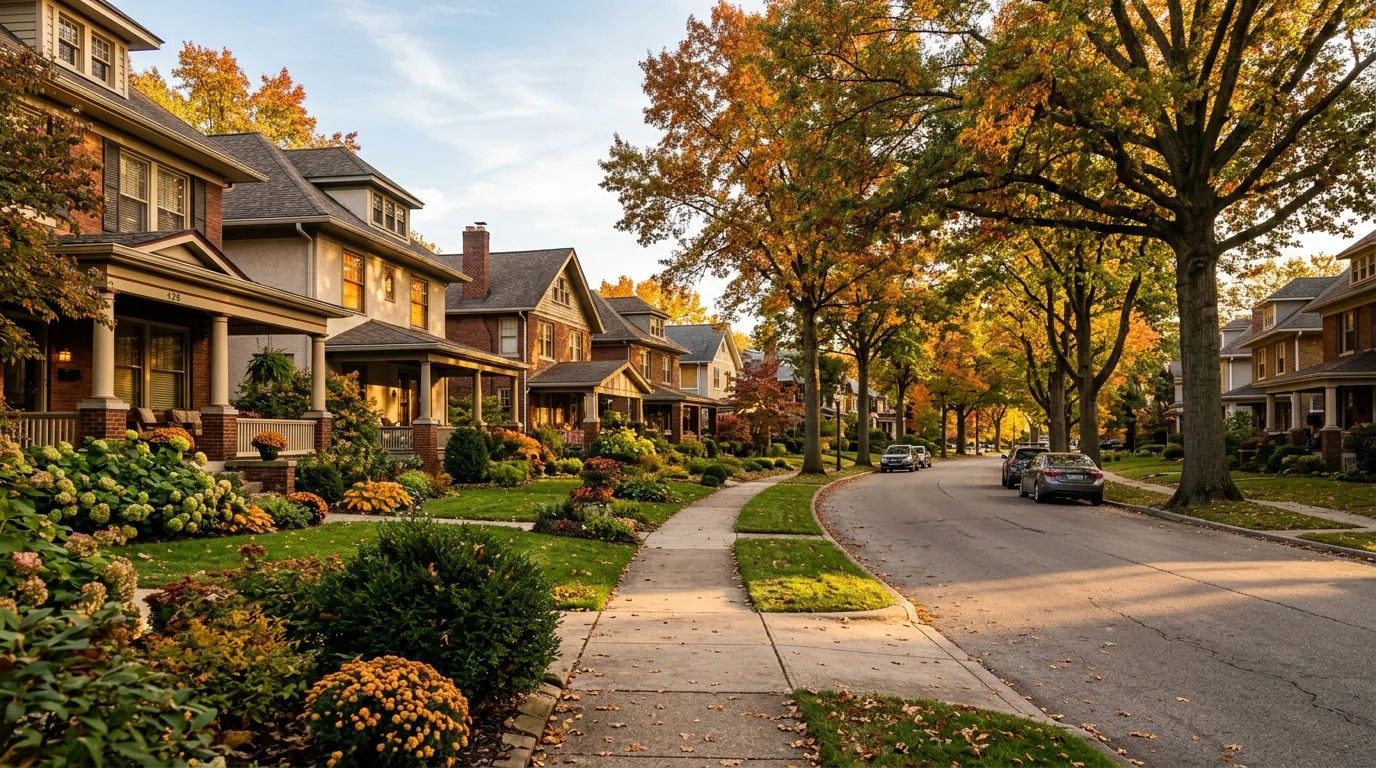
Buying a home in a smaller city now costs far less than buying in a metro, and the gap is wide enough to change the maths for first-time buyers. A standard 3-BHK apartment in tier-2 cities costs between Rs 1.3 crore and Rs 1.5 crore, against Rs 2.25 crore to Rs 2.5 crore in metropolitan markets, according to JLL. The same money that buys a compact flat in Mumbai or Bengaluru can buy a larger home, or even two homes, in a smaller city. With home prices in the metros still rising and loan rates near 8.5 percent, buyers are asking whether the smarter move is to buy where the price is lower and the yield is higher.
Why tier-2 cities cost less
The price gap starts with land. In the metros, land is scarce and costly, and that cost feeds straight into home prices. In tier-2 cities, land costs less and plots are larger, so developers can build bigger homes at lower prices. Data from ANAROCK show the average land deal in tier-2 and tier-3 cities covers 65 acres, nearly three times the 22-acre average in tier-1 metros. Nearly 44 percent of developer land deals in 2022 and 2023 took place in tier-2 and tier-3 cities, according to the Financial Express. For a buyer, the result is simple: the same budget buys more floor space, a garden, or a second bedroom in a smaller city.
What small town homes offer buyers
Small town homes also earn more rent relative to their price. Rental yields in tier-2 cities run at 4 to 7 percent, against 2 to 3 percent in the metros, and average annual price growth in these cities runs at 10 to 15 percent. A 2-BHK in a good Bengaluru neighbourhood can cost Rs 80 lakh to Rs 1.5 crore, while a similar or larger home in Jaipur, Coimbatore or Indore costs Rs 30 lakh to Rs 60 lakh. The cost of living in smaller cities is 30 to 40 percent lower than in the metros, which leaves more income for savings and for the loan. Salaries have also narrowed: senior staff in smaller cities can earn 85 to 90 percent of metro pay, and remote and hybrid work has made the move possible for many tech workers.
How tier-2 cities keep growing
The growth of tier-2 cities rests on more than low prices. The Smart Cities Mission and AMRUT, the Atal Mission for Rejuvenation and Urban Transformation, have upgraded roads, water supply and civic services in 100 cities. New airports, expressways and industrial corridors have brought jobs to places such as Mohali, Lucknow, Dehradun and Indore. Square Yards expects land prices in fast-growing tier-2 and tier-3 corridors, around airport zones, logistics hubs and expressways, to rise by 25 to 100 percent over the next two to four years. Property sales across 15 leading tier-2 cities touched a record Rs 1.52 lakh crore, up 20 percent in a year. The government has planned Rs 12.2 lakh crore of public capital spending, and its City Economic Regions programme carries a Rs 5,000 crore allocation.
What the rental yields mean for buyers
Yields are the clearest guide to the buy decision. In a metro with a rental yield of 2 to 3 percent and a home loan rate of 8.5 percent, renting and investing the difference often beats buying for the first seven to ten years. In tier-2 cities, where rental yields reach 4 to 7 percent, buying wins sooner, in six to eight years by one estimate. Square Yards names Bhubaneswar, Cuttack, Erode, Puri, Varanasi and Visakhapatnam among the next growth centres. The cities drawing the most interest share the same traits: an airport or expressway link, new jobs, and a developer base that is building homes buyers can afford.
The case for smaller cities is not without risk. Not every tier-2 city is ready for large-scale investment, and buyers still need to check legal title, the track record of the developer, and the timing of the infrastructure promised for the area. Prices can rise fast where land is bought on the back of a single project, and rental demand may be thin in towns with few employers. The tier-2 cities that hold their value are the ones with jobs, transport links and steady demand from people who live and work there. For buyers who can work from anywhere, the maths now points away from the metro and towards tier-2 cities.
Related articles in Real Estate
View all Real Estate →Browse more stories in Real Estate.