
Green jobs in India grow as universities play catch-up
India's green economy could create millions of jobs, but universities are not yet teaching the practical skills employers need for them.
by Trends DeskNovember 19, 20264 min read
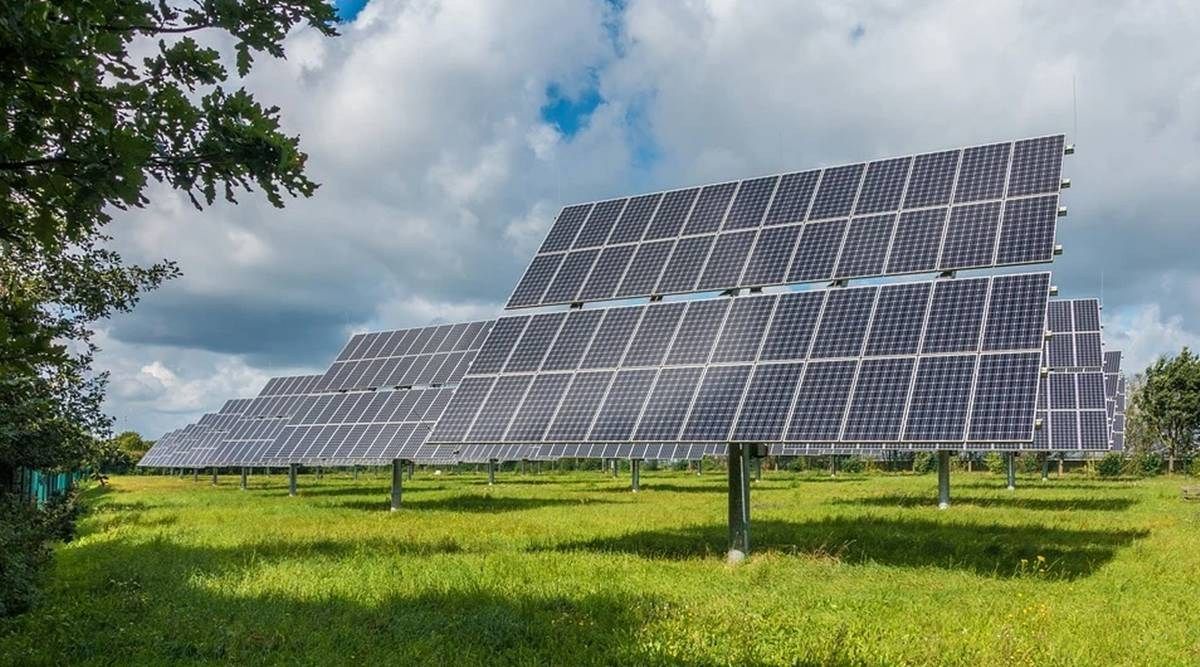
Green jobs in India are set to grow into the millions, but universities are not yet producing graduates with the skills employers want. That gap sharpened this week with the release of the QS World University Sustainability Rankings 2027. More than 70 per cent of Indian university entries improved in Employability and Outcomes, yet rankings alone do not show whether graduates can do the work green industries need.
The hiring numbers are strong. The LinkedIn green skills report for 2026 found India's share of green hiring rose by 31 per cent, while green-skilled talent in the workforce grew by 29 per cent. A CEEW and NRDC study from June 2026 estimated India's clean energy targets could generate more than 44 lakh full-time-equivalent jobs. The projections rest on the target of 500 GW of non-fossil fuel energy capacity and the National Green Hydrogen Mission. Green jobs in India are growing in renewable energy, electric vehicles, green hydrogen, climate finance and sustainable manufacturing. Green jobs in India already attract workers from engineering, finance and manufacturing.
The CEEW and NRDC study also found more than 6.5 lakh workers joined selected clean energy sectors between FY 2023 and FY 2026. Rooftop solar could account for about 43 per cent of the estimated jobs. A separate report from the International Forum for Environment, Sustainability and Technology (iFOREST) estimates employment in key green sectors could rise to more than 54 lakh by 2035. The iFOREST press release put it higher: 98.5 lakh jobs by 2030 and nearly 1.3 crore by 2035. Clean energy jobs are the largest single source of growth, alongside electric mobility, green hydrogen and nature-based work.
Green jobs in India outpace graduate skills
The QS Sustainability Rankings 2027 show Indian universities improving. IIT Delhi emerged as the highest-ranked Indian institution at 194th globally, followed by IIT Kharagpur at 224th and Delhi University at 237th. India increased its representation in the global top 500 to 13 institutions, against five in 2023. IIT Delhi rose 11 places from 205th to enter the global top 200. Yet the rankings measure environment, social impact and governance, not whether a graduate can install a solar array or audit a factory's emissions. Green jobs in India need workers with practical ability, and rankings do not prove that ability exists.
Some institutions have started to respond. IIT Delhi runs a BTech in Energy Engineering covering energy resources, energy systems and sustainable technology, with project and internship work. IIT Hyderabad's Greenko School of Sustainability offers postgraduate study in sustainable engineering. The TERI School of Advanced Studies in New Delhi teaches renewable energy engineering and management, covering solar, wind, biomass and hydrogen. IIT Bombay teaches environmental engineering subjects such as climate change, environmental management and pollution control. The LinkedIn green skills figures show demand spreading beyond environmental roles into finance, engineering and management, where staff must understand climate risk and ESG reporting. Green jobs in India need graduates from every discipline.
Women remain a small share of the workforce. The CEEW and NRDC study found women were only 11 per cent of the surveyed workforce in solar and wind deployment and manufacturing, and about 62 per cent of them worked in non-technical roles. The iFOREST report noted young people make up 27 per cent of India's population, yet only 5.3 per cent have technical education and 5 per cent have formal vocational training. Scholarships, internships and inclusive hiring could widen access, but the pipeline is narrow at every stage. Clean energy jobs will need many more trained workers than the current system produces.
Green jobs in India need practical training
Practical training is the missing piece. New subjects alone will not prepare graduates for work on solar farms, in battery plants or on hydrogen projects. Students need laboratory work, internships, industry partnerships and apprenticeships inside real workplaces. NITI Aayog has proposed an Apprenticeship for All model to build workplace learning into college degrees. Engineering students could work on energy-efficiency projects, while management and finance students learn about carbon markets and ESG reporting. Green jobs in India reward graduates who can show practical skill. Green jobs in India will be filled by graduates who have practised the work.
The QS Sustainability Rankings 2027 show Indian universities moving up, yet the skills pipeline still lags. Universities must update curricula, expand industry partnerships and add hands-on learning. The test is whether graduates leave with skills employers can use on the first day of work.
Related articles in Jobs & Education
View all Jobs & Education →Browse more stories in Jobs & Education.