
Over half of young graduates in low-skill jobs: EAC-PM
An EAC-PM paper says 52.8% of employed young graduates were in low-skill jobs in 2022, while only 5% of youth aged 15 to 29 had formal vocational training.
by Trends DeskNovember 19, 20264 min read
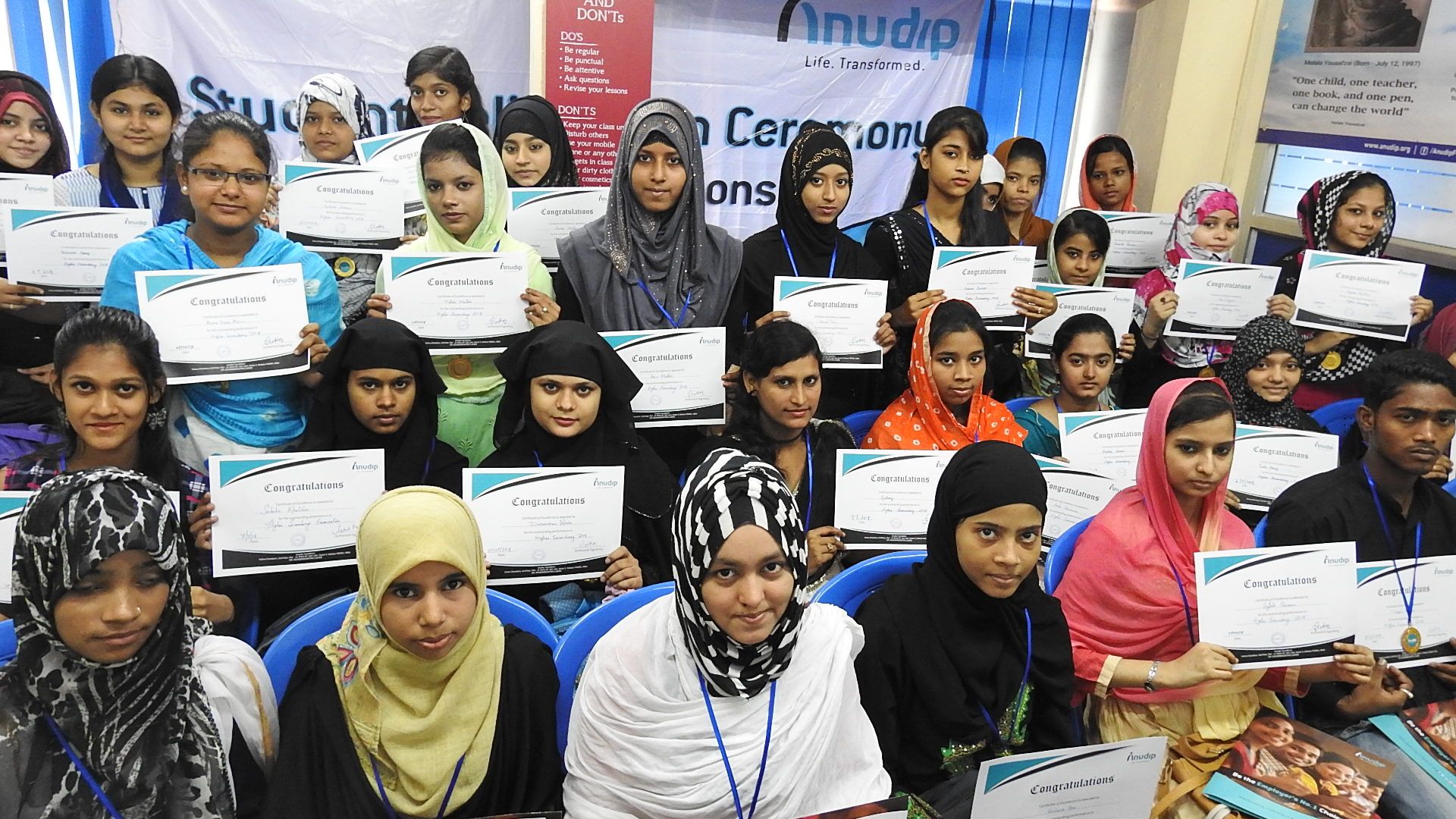
More than half of India's employed young graduates work in low-skill jobs, according to a working paper from the Economic Advisory Council to the Prime Minister (EAC-PM). The EAC-PM paper says 52.8% of employed young graduates were in low-skill occupations in 2022. It adds that only 5% of people aged 15 to 29 had received formal vocational or technical training.
The paper is titled "How India is Transforming Educational Capacity under the New Education Policy 2020: School Networks, Higher Education and Pathways to Work". Soumya Kanti Ghosh and Shashidharan Sharma wrote it, and the Financial Express reported its findings on 5 November 2026. The authors call the situation "qualification congestion", a term they use for a market in which employers sort graduates by institution, field of study, internships, experience and professional networks.
Young graduates face a crowded job market
Higher education enrolment rose 31.5% between 2014-15 and 2023-24, the paper says. The growth in seats has not been matched by growth in skilled work. Among employed youth with a graduate degree or higher, 57.8% were in regular salaried employment, while only 36.1% were in formal employment. The rest work in informal arrangements, with little security and few protections.
The Economic Survey 2024-25 reported a similar picture of graduate underemployment. It said only 8.25% of graduates were in jobs that matched their qualifications, while 53% of graduates and 36% of postgraduates were underemployed in roles below their level of education. For young graduates, the pay gap is wide. Nearly 46% of graduates in low-skill jobs earned less than Rs 1 lakh a year, while only 4.2% in specialised roles earned between Rs 4 lakh and Rs 8 lakh.
A NITI Aayog paper published in August, "Reimagining Skilling for Viksit Bharat @2047", drew on the same survey data and described the same graduate underemployment. It put graduate unemployment at 13%, with 20.4% of graduate women unemployed. It counted 3.4 crore students in undergraduate programmes, including 1.13 crore studying for a BA alone. It recommended applied specialisations such as BA Hospitality, BSc Applied Technology and BCom Analytics, with closer links between colleges and employers.
Vocational training reaches few young graduates
Formal vocational training covered only 5% of people aged 15 to 29, according to Periodic Labour Force Survey data cited in the paper. The Economic Survey put the same figure at 4.9% for youth in that age group. Most young graduates leave college without a trade or a certified skill, and the paper links that gap to a system that expanded degrees faster than it built routes into skilled work.
The authors point to faculty shortages as one more constraint. In March 2023, vacancies made up 39% of sanctioned faculty posts at the Indian Institutes of Technology, 31% at the Indian Institutes of Management and 29% at the National Institutes of Technology. The paper says the shortages affect teaching quality at the institutions that set the standard for the rest of the system.
What the paper says should change for young graduates
The paper calls for closer links between degrees and work. It argues for paid apprenticeships, practical training inside degree programmes, wider access to vocational training and a clear plan to create entry-level skilled jobs in manufacturing, services and new industries. It treats education, skills and employment as one connected system rather than three separate problems.
The findings land in a week when youth employment is again in the news. An East Asia Forum essay published on 5 November put unemployment among young tertiary graduates at 29.4% and said more than 89% of young Indians work in informal jobs. The EAC-PM paper adds the other half of that picture: even the young graduates who find work often end up in low-skill jobs. That is what the authors mean by qualification congestion. JSON-LD: { "@context": "https://schema.org", "@type": "NewsArticle", "headline": "Over half of young graduates in low-skill jobs: EAC-PM", "description": "An EAC-PM working paper says 52.8% of employed young graduates were in low-skill jobs in 2022, as enrolment rose and formal training stayed thin.", "datePublished": "2026-11-06", "author": {"@type": "Organization", "name": "Trends Desk"}, "publisher": {"@type": "Organization", "name": "Matrimony Justice", "url": "https://www.matrimonyjustice.com"} }
Related articles in Jobs & Education
View all Jobs & Education →Browse more stories in Jobs & Education.