Indian students in US fall 13.5% to 316,893
Active Indian students in the US fell 13.5% year on year to 316,893 in October 2026, SEVIS data show, with master's enrolment down nearly 20%.
by Trends DeskNovember 19, 20263 min read
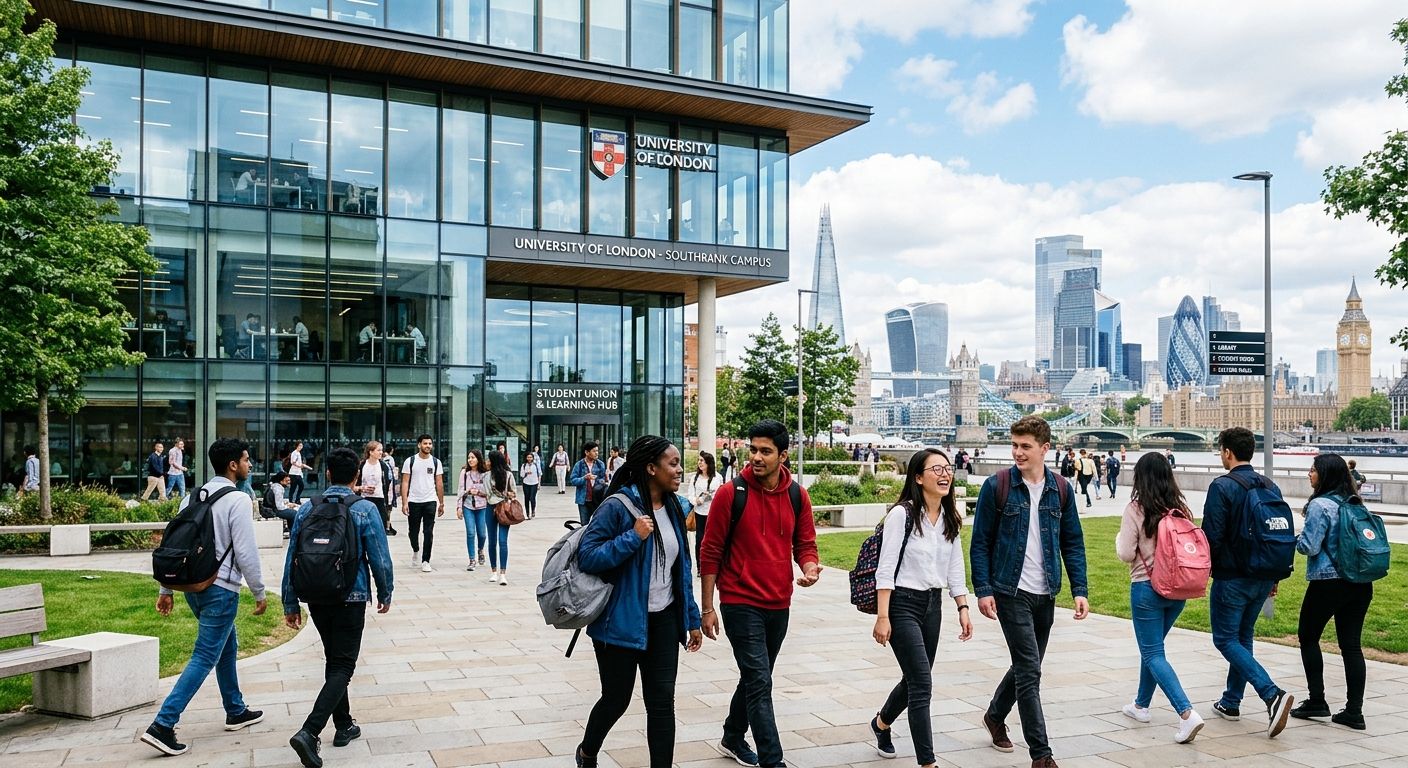
The number of active Indian students in the United States fell 13.5% year on year to 316,893 in October 2026, according to data from the Student and Exchange Visitor Information System, known as SEVIS. SEVIS is a tracking system run by the US Department of Homeland Security, and the figures give a monthly snapshot of students with active records.
India remains the largest source country for international students in the US, even after the fall for Indian students. The decline is still striking in size, because it removes 49,365 students from the total in a single year, and it is steeper than the overall decline for students from all countries.
Scale of the fall for Indian students
SEVIS figures show Indian student enrolment dropped from 366,258 in October 2025 to 316,893 in October 2026. India's share of all active international students slipped from roughly 28.5% to 26.6% over the same period.
The overall decline in international student enrolment was smaller. Total active international students across all nationalities in SEVIS fell from 1,283,240 to 1,192,572, a drop of about 7.1%. That is less than half India's rate of decline. Students from China, the second largest group, fell roughly 10.2%, from 245,038 to 220,157.
Of the Indian total in October 2026, 195,341 were male and 121,552 were female. Those counts sit inside the headline figure, and they show that the decline touches both groups rather than one alone.
Why master's programs drove the fall
Students in master's programs recorded the sharpest fall, declining from 292,929 to 234,034, a drop of nearly 20%. Since master's programs account for the bulk of Indian enrolment in the US, this segment's contraction drives most of the headline figure for Indian students.
Doctoral enrolment moved in the opposite direction. Indian PhD students rose from 28,609 to 41,729, which suggests that research pathways remain attractive even as professionally oriented postgraduate degrees lose ground. Indian bachelor's students edged lower, from 38,522 to 36,011.
The pattern points to a split for Indian students. Students aiming at research degrees are still coming, while students aiming at taught master's degrees, where costs and job outcomes weigh heavily, are pulling back. The master's decline is the clearest signal in the SEVIS data, and it explains why the total fell faster than the overall international total.
What is behind fewer Indian students
The contraction comes against tighter US immigration policy. Increased scrutiny of student visas, proposed fees on Optional Practical Training and STEM extensions, and a broader crackdown on legal immigration pathways have raised the cost and risk calculation for prospective Indian students, analysts note.
Indiaspora, a nonprofit network of Indian-origin leaders, said in a statement on October 30, 2026 that fewer Indian students are choosing to study in the United States, linking the trend to anti-Indian rhetoric during the current election season. The group did not specify which political actors it was referring to, and its statement is one view of the causes rather than a finding in the SEVIS data itself.
The wider South Asian picture shows a similar retreat. Nepal's active student count fell from 35,273 to 33,992, though the decline was proportionally smaller than India's. Canada, the United Kingdom, Australia and Germany have actively courted Indian students, and recruitment data from those countries suggests some applicant flows have been diverted elsewhere.
One caution matters when reading the figures. SEVIS records count students with active records in a given month, including those on Optional Practical Training, a post graduation work authorisation. The figures are a snapshot of October 2026, not an annual enrolment tally, so temporary work authorisation completions, visa delays and administrative exits can all influence the monthly count. The scale of the year on year fall is still broadly consistent with recruitment trends reported by US universities, and the next monthly snapshot will show whether October's figure is a trough or part of a continuing trend.