
Judge issues election workers order before midterms
Judge Trina Thompson barred federal officials from threatening election workers over ballots, in a temporary order that runs until November 16, 2026.
by Trends DeskNovember 19, 20264 min read
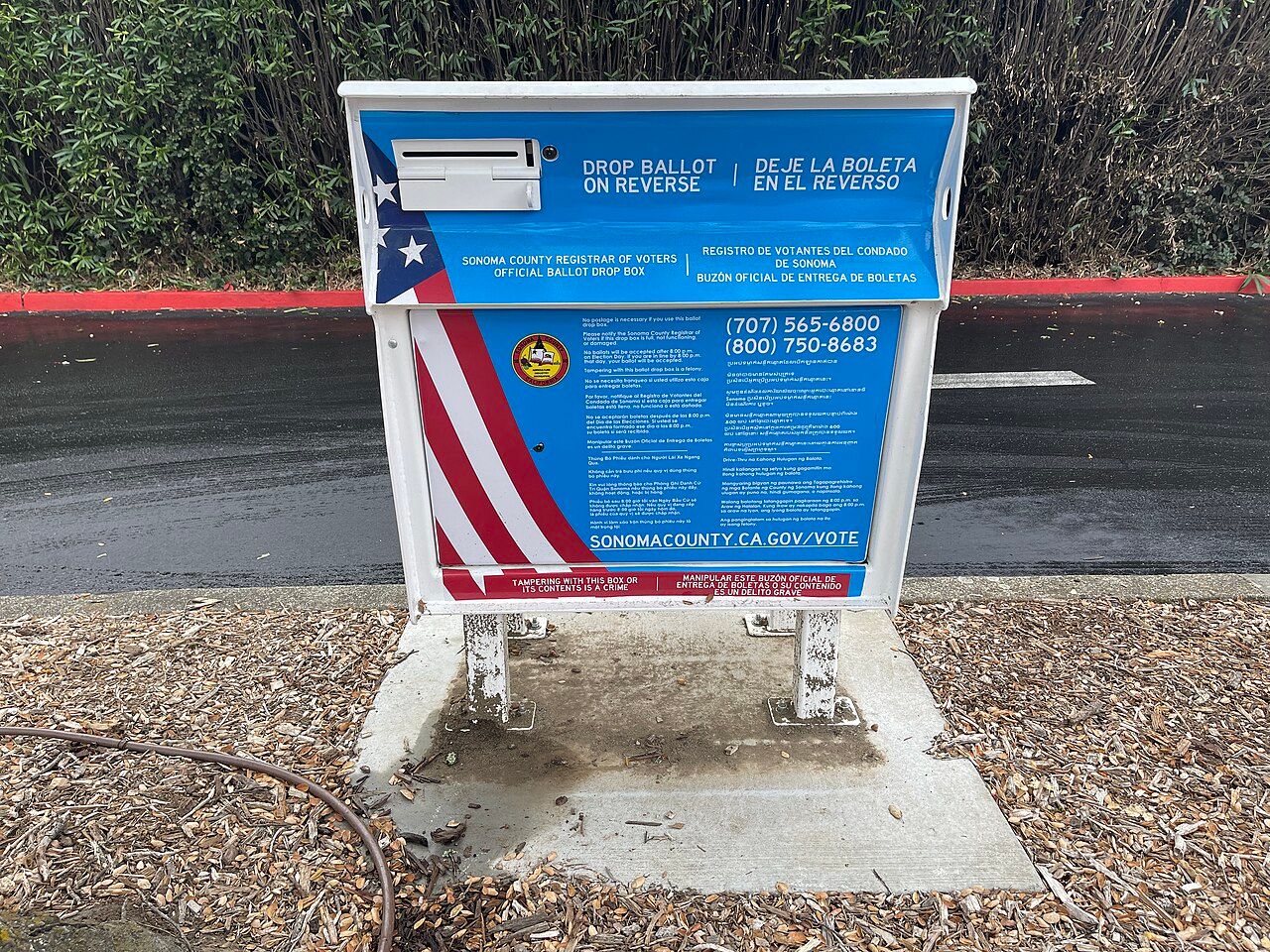
A federal judge in San Francisco issued an election workers order on October 30, 2026, barring the Justice Department and the Department of Homeland Security from threatening election workers over how they handle ballots. The election workers order came four days before the November 3 midterm election. Judge Trina L. Thompson of the Northern District of California granted a temporary restraining order in Service Employees International Union v. United States Department of Justice, case number 3:26-cv-12800. The suit was brought by the Service Employees International Union, the American Federation of State, County and Municipal Employees, the League of United Latin American Citizens and the NAACP. Thompson ruled without hearing from the departments first, the Associated Press reported. The election workers order is temporary, and the court will revisit it at the November hearing.
The election workers order bars federal officials, until 5 p.m. on November 16, from pressuring election workers to stop processing a registered voter's ballot solely because federal officials allege that voter is ineligible. It also bars demands that officials purge specific voters, refuse them ballots, or set aside their ballots on that basis alone. It bars threats of prosecution against workers who refuse those demands or who count ballots as the law requires. The departments must tell every government that received their ballot letters that the threats are blocked. The Justice Department must also disclose any pending search warrant applications or grand jury subpoenas tied to its voter lists.
Election workers order and the Voting Rights Act
Thompson found that the plaintiffs were likely to win under the Voting Rights Act ban on intimidation and under the Constitution's Elections Clause. The SEIU election lawsuit argued that federal demands, investigations and prosecution warnings were being used to influence how state and local officials administer voter records and ballots. Thompson wrote that election workers who follow the law do not break federal criminal law even if a particular ballot belongs to a registered voter alleged by the defendants to be ineligible. The Voting Rights Act section at issue, Section 11(b), bars intimidation, threats or coercion against people who assist in the voting process. The judge's finding is a preliminary assessment for a temporary order, not a final ruling on the full case.
The background to the SEIU election lawsuit included federal demands aimed at California and Washington. The Justice Department had demanded that California set aside about 20,000 ballots and Washington set aside 405 ballots, according to the reporting on the order. Prosecutors had also subpoenaed Los Angeles County election workers to a grand jury. On October 29, the department sent all 50 states letters on preserving election records that cited penalties of up to a year in prison, Democracy Docket reported. A federal judge had earlier found the California list not credible, and an appeals court refused on October 30 to pull those California ballots. The California ballots dispute is separate from the temporary order, but it formed part of the pressure described in the case.
Election workers order sets next hearing dates
Under the election workers order, the Justice Department must respond by noon on Monday, November 2, and a preliminary injunction hearing is set for November 13. The department could appeal the temporary order. The Justice Department did not immediately respond to the ruling in court, but a spokesperson, Kiersten Pels, told the Associated Press, "Every ballot cast by an ineligible voter cancels out the vote of an American citizen." The department has said its efforts are aimed at preventing noncitizen voting. The order does not decide whether any particular voter is a noncitizen, and it does not bar other lawful investigations. It limits only demands and prosecution threats tied to the disputed voter lists while the case continues.
The election workers order will expire on November 16 unless the court extends it or issues a preliminary injunction after the November 13 hearing. That election workers order deadline falls three days after the hearing. State and local officials who received the federal letters are to be told that the demands and threats in them are blocked. The case will then turn to whether a longer order should replace the temporary one. For now, the order leaves ballot processing in the hands of state and local officials working under state and federal law, with the federal threats at issue put on hold through the election period covered by the order.
Related articles in Law & Government
View all Law & Government →Browse more stories in Law & Government.