Sanctuary cities win: judge tosses Trump lawsuit over NYC
A federal judge dismissed the Trump administration's lawsuit over New York City sanctuary cities laws, ruling the government had no valid basis to sue.
by Trends DeskOctober 17, 20263 min read
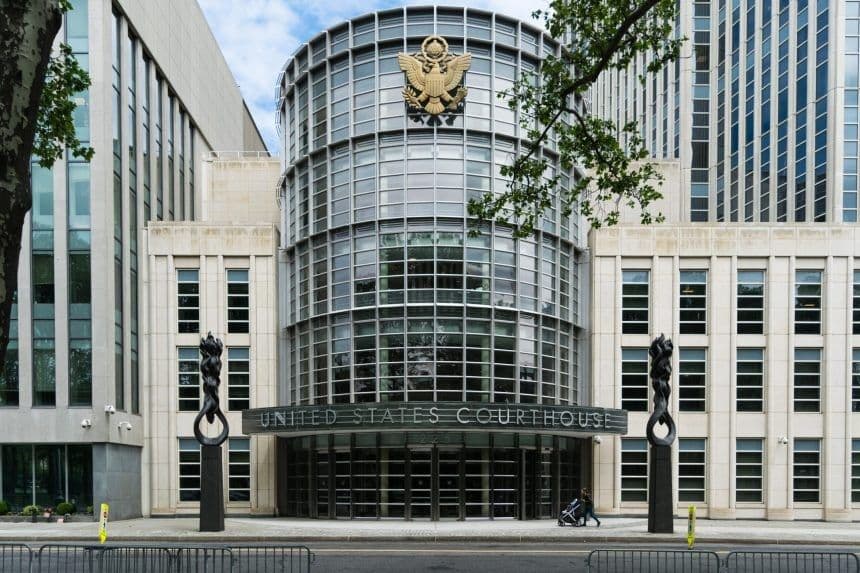
A federal judge on Thursday threw out the Trump administration's lawsuit challenging New York City's sanctuary cities policies, ruling that Washington had no valid basis to challenge local laws limiting cooperation with federal immigration enforcement. U.S. District Judge Ramon Reyes, sitting in Brooklyn, said the administration could not challenge a city law barring police from detaining immigrants at the request of federal authorities because state law already prohibits that practice. Reyes also upheld city laws restricting local authorities from sharing release dates, whereabouts and other custody information about immigrants, finding that federal law does not require state and local governments to share that information. The judge rejected the administration's argument that federal law superseded the New York City measures, holding that the federal government could not force local governments to assist with immigration enforcement. The Justice Department filed the lawsuit in New York federal court in July 2025 as part of a broader campaign against so-called sanctuary city policies, which aim to shield immigrants from President Donald Trump's mass deportation drive. The department did not immediately respond to a request for comment on the ruling. ## Why the sanctuary cities lawsuit failed Reyes found that the federal government lacked a valid legal basis to bring the case. Because New York state law already bars local police from holding immigrants on federal detainer requests, the administration was effectively asking the court to strike down a city restriction on conduct the state also forbids. On information sharing, the judge concluded that the city's limits on disclosing release dates and custody details were lawful because no federal statute obliges states or cities to hand over that data. Federal lawyers had argued that immigration law overrode the local measures, but the court disagreed. The ruling by Ramon Reyes is one of the most detailed judicial rejections of the administration's preemption argument to date, and legal analysts said it underscores a long-standing limit on federal power: while Washington sets immigration law, it generally cannot commandeer state and local officers to enforce it. ## Federal power and local policing The case grew out of a wider confrontation between the Trump administration and Democratic-led cities over deportation policy. Since returning to office, the administration has pressed local governments to cooperate more closely with federal deportation efforts, including through lawsuits targeting sanctuary policies. New York City has for years limited its cooperation with federal immigration authorities, a stance city officials describe as a public-safety measure intended to encourage immigrants to report crimes and use city services. The administration contends such policies obstruct lawful immigration enforcement. Thursday's decision marks one of the most significant judicial setbacks yet for the administration's sanctuary-city litigation strategy. The Justice Department has filed similar challenges against other sanctuary cities, and the reasoning in the opinion could influence how courts assess those cases. ## What the sanctuary cities ruling means next The ruling does not end the broader fight. The Trump administration could appeal the decision to the U.S. Court of Appeals for the Second Circuit, and the Justice Department has not said whether it will do so. For New York City, the decision preserves the status quo: local police remain barred from honoring federal detainer requests, and city agencies may continue withholding release-date and custody information from federal authorities. Supporters of the city's approach called the ruling a vindication of local control over policing, while the administration has argued that limits on cooperation make deportations harder. For now, the courts have sided with the city — and with the principle that in America's federal system, Washington cannot draft local officers into its deportation campaign.
Related articles in Law & Government
View all Law & Government →Browse more stories in Law & Government.


