
Deutsche Bank leak exposes years of chaos
Whistleblowers leaked over 15 million Deutsche Bank files, the Financial Times reported, showing $581 million in suspicious payments tied to Jeffrey Epstein.
by Trends DeskNovember 19, 20264 min read
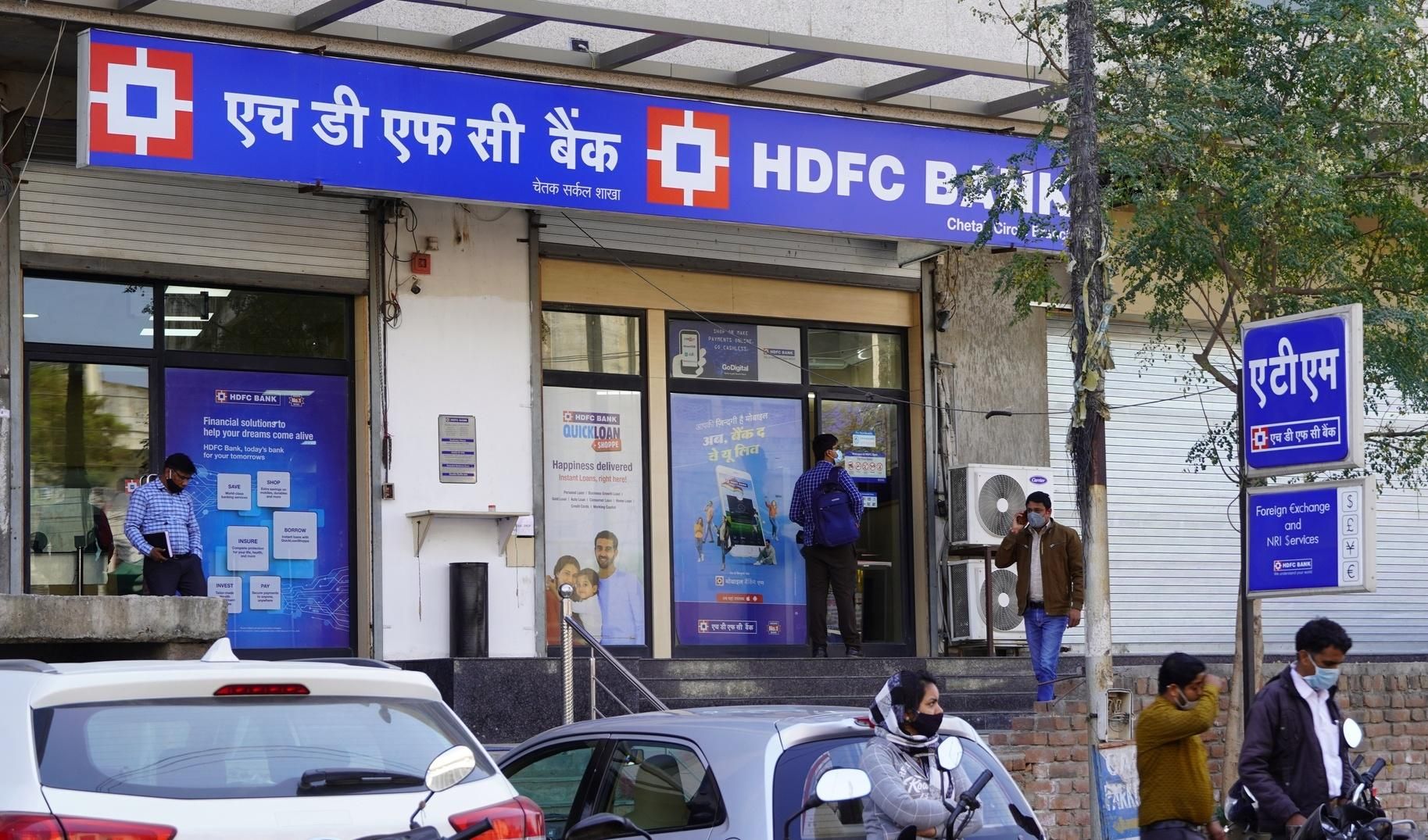
The Deutsche Bank leak exposed more than 15 million internal files, and the Financial Times said they point to historic failures in the bank's risk management and financial crime controls. The files were passed to the paper by two whistleblowers, and they cover the bank's work with Jeffrey Epstein and its Russian clients. Deutsche Bank shares fell 4.7 percent in Frankfurt after the reports appeared. The bank said the issues date back many years and that it is a different, stronger and safer bank today.
An internal document from the bank's United States Financial Crimes Intelligence Unit showed the bank filed 21 suspicious activity reports covering 3,000 transactions between October 2013 and May 2019, relating to Epstein or his companies. In total, those transactions amounted to $581 million. A suspicious activity report is a confidential document banks file with the authorities when they spot transactions they suspect may involve financial crime. The 21 suspicious activity reports are part of the leaked files. Senator Ron Wyden, a senior member of the United States Senate Finance Committee, said in an August 2026 report that the bank failed to promptly report to the Treasury more than $250 million in suspicious transactions tied to Epstein. The Deutsche Bank leak puts new figures on a relationship the bank has already admitted was a mistake.
The bank onboarded Jeffrey Epstein in August 2013, after JPMorgan Chase had already cut ties with him. It kept him as a client until December 2018, when it told him it intended to close his accounts, and it shut his two remaining accounts three days after his arrest in July 2019. The bank said it acknowledges its error in onboarding Epstein in 2013 and regrets its historical connection with him. The Deutsche Bank leak also shows the bank mistakenly leaked details of Donald Trump's tax statements in March 2017.
What the Deutsche Bank leak shows about controls
The Deutsche Bank leak shows the bank failed to remove about 28,000 investment bank clients identified for offboarding by early 2018. In the three years to 2022, the bank increased staff in control roles by 26 percent. Christian Sewing, the chief executive, wrote in a 2018 email that the pendulum had swung too strongly into the 110 per cent control area. Inside the bank, some called the know your customer function Kill Your Career, according to the Financial Times.
The Deutsche Bank leak drew a long statement from the bank, which said it invested 7 billion euros in risk controls between 2019 and 2025. It said the reported issues dated back many years and that it had worked with regulators where relevant. The whistleblowers said in a statement read by the Financial Times that Deutsche still needs a complete overhaul in management and culture.
The Deutsche Bank leak and Russia
The Deutsche Bank leak also covers the bank's Russian business. By the end of November 2021, the bank still counted ultra-rich oligarch clients among its customers, and it had relocated its Moscow headquarters roughly two weeks after warnings from NATO chief Jens Stoltenberg of a possible Russian attack on Ukraine. When Russia invaded in February 2022, Deutsche was slower than Goldman Sachs and JPMorgan to pull out. Christian Sewing argued at first that an immediate withdrawal would contradict the bank's values, and the bank condemned the invasion the next day.
Sanctions specialists inside the bank struggled to keep up. One wrote to a colleague in March 2022 that they were completely drowning and in tears, and that it was all becoming too much. The Deutsche Bank leak shows debate inside the bank over what information to share with the United States Department of Justice, which sought details on its Russian clients soon after the invasion. In the end, the bank provided only a select set of information. The bank said its Russian-linked clients were subject to the applicable onboarding, due-diligence, sanctions, beneficial-ownership and reputational-risk controls.
What happens after the Deutsche Bank leak
The bank said it has materially reduced the credit exposure, client and business perimeter and risk profile of its Russian business since 2014, before deciding to wind down operations after the invasion. The whistleblowers, whose identities are being protected, copied the files and removed them from the bank. The files were leaked to Indian author and journalist Josy Joseph and South African investigative journalist Khadija Sharife. Roman Abramovich, the then owner of Chelsea Football Club, was among the oligarchs sanctioned after the invasion.
Related articles in Finance
View all Finance →Browse more stories in Finance.