"Legal Immigration Visas Drop 50% Under Trump"
"The State Department issued just 26,000 immigrant visas in February 2026, about half the pre-Trump monthly average, the New York Times reported."
by Trends DeskOctober 19, 20263 min read
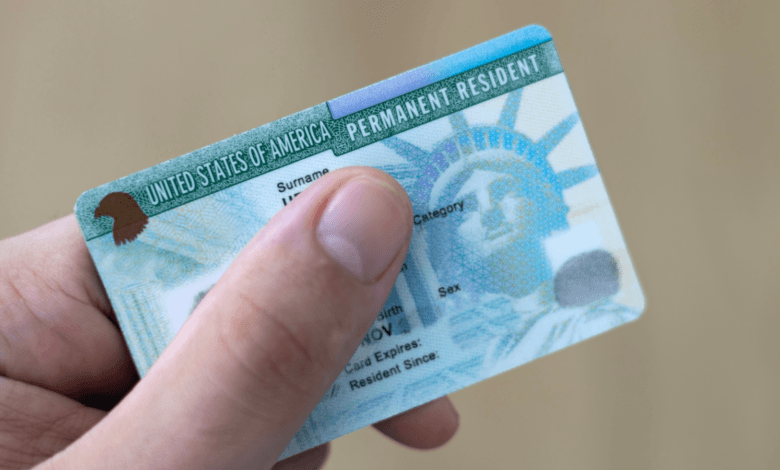
The number of legal immigration visas issued by the United States has fallen by roughly half under President Donald Trump, with the State Department granting only about 26,000 immigrant visas in February 2026 compared with a pre-Trump monthly average of nearly 52,000, according to New York Times reporting.
The figures capture the scale of a crackdown that has reshaped the legal immigration system through expanded travel bans, multi-country visa pauses, a visa interview freeze, changes to refugee allocations and the suspension of the diversity visa program.
The State Department data covers immigrant visas, the category that leads to green cards and permanent residence. The February 2026 total of about 26,000 stands in sharp contrast with the 2023–24 monthly average of nearly 52,000, recorded before the current administration took office.
The decline extends beyond green cards. Student, work and tourist visas have also fallen, according to the reporting, a sign that the administration's restrictions have reached nearly every channel of lawful entry into the United States.
The monthly figures offer one of the clearest measures yet of how administrative policy can reshape immigration without new legislation from Congress. Because most of the changes were made through executive action — pauses, freezes and reallocations — they took effect far faster than any bill could, and reversing them would require equally deliberate unwinding.
The February 2026 figures are especially striking because they cover only immigrant visas — the permanent-residence track — rather than the temporary visas that make up a larger share of overall admissions. Even the temporary categories, including student and tourist visas, have declined, suggesting the slowdown reflects policy rather than seasonal demand.
Legal Immigration Visas Plunge Across Categories
One of the steepest drops involves Afghan admissions, which fell from 5,563 in December 2024 to just nine in February 2026, according to David Bier of the Cato Institute, who analyzed the State Department data. Bier said that excluding the COVID pandemic, the decline is the largest in legal immigration since the Great Depression-era visa refusals of the Hoover administration.
Federal courts have pushed back in at least two lawsuits, ordering the government in August to resume issuing visas. But the rulings have done little to clear the backlogs, and the visa interview freeze and other pauses remain in place as litigation continues.
The court orders issued in August directed the government to resume issuing visas, but compliance has been slow. Backlogs built up over months of pauses cannot be cleared overnight, and consular offices face the dual task of processing new applications while working through the backlog of frozen cases.
Legal Immigration Visas Face an Uncertain Future
Immigration analysts say the combination of travel bans, the visa interview freeze and the suspended lottery has created overlapping barriers that are difficult to unwind even with court orders. With backlogs persisting, the monthly issuance numbers are unlikely to return to pre-Trump levels soon.
The administration's tools have been wide-ranging: expanded travel bans affecting multiple countries, pauses on visa processing for several nationalities, a freeze on immigrant visa interviews, reworked refugee allocations and the suspended lottery. Together, they have constricted nearly every legal pathway into the country.
For prospective immigrants, the numbers translate into longer waits for green cards and fewer available pathways. The diversity visa program, long a route for applicants from countries with low immigration rates to the United States, remains suspended while refugee allocations have been reworked under the new policies.
Economists have long debated the labor-market effects of immigration restrictions, and the new data is likely to intensify that debate in Washington. For now, the figures point to a legal immigration system operating at roughly half its former capacity, with no quick path back.