Lender-abandoned Loop landmark for sale for redevelopment
Crain's Chicago Business reports a lender-abandoned Loop landmark is for sale as a potential redevelopment, putting a downtown Chicago site back on the market.
by Trends DeskOctober 24, 20263 min read
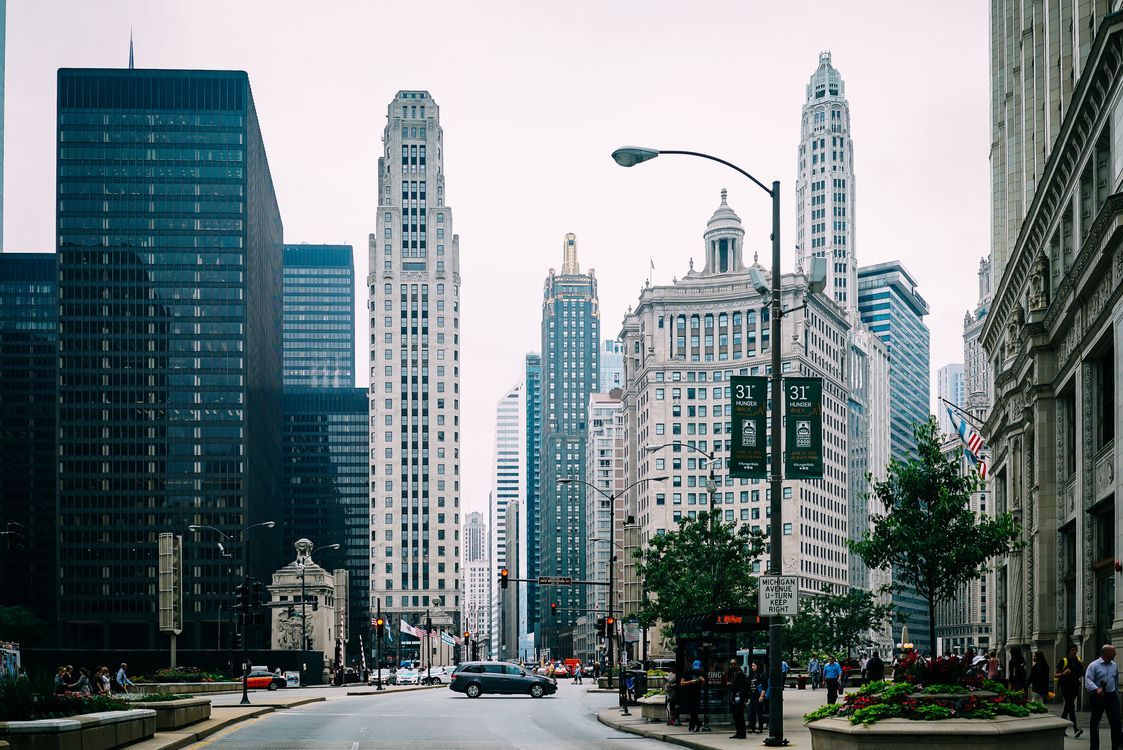
A lender-abandoned Loop landmark is for sale as a potential redevelopment, according to Crain's Chicago Business. The Loop is the historic downtown core of Chicago, and a landmark there carries weight beyond its own walls. A sale of this kind puts a prominent site back on the market and opens a question that matters to the whole district: what should the building become next.
The term points to how the property reached this point. A lender that held a claim on the building has stepped away from it, leaving the landmark to be sold for a new use. Crain's Chicago Business reports the sale as a potential landmark redevelopment, which means buyers are being asked to judge what the building could become after work.
Downtown Chicago's stake
The Loop landmark sale is important because downtown Chicago has faced hard years. Office demand has changed as more people work from home, and some older buildings have struggled to fill space. A landmark that sits empty or underused drags on the streets around it, since shops and restaurants nearby depend on workers and visitors passing through.
A sale can break that pattern, but only if a buyer has a workable plan. Redevelopment of a landmark is rarely simple. The building's historic status may limit what can change on the outside, and its old layout may not suit modern tenants without major work. A buyer must weigh those limits against the value of a downtown address and the character that a landmark carries.
At the same time, landmarks have an appeal that new buildings cannot copy. Their age, detail and place in the city's story can draw tenants and visitors who want something distinct. A careful landmark redevelopment can keep that character while updating the inside for new uses, whether those are homes, hotels, offices or a mix.
Redevelopment options
Redevelopment could take several forms, and the report does not name a buyer or a chosen plan. A buyer might turn the building into homes, betting that people want to live downtown near transit and culture. A hotel conversion would bet on visitors returning to the Loop in larger numbers. A mix of uses could spread risk, with different parts of the building serving different tenants.
Each option faces the same test: cost against return. Converting an old building costs money, and lenders will ask hard questions about rent and occupancy before they fund the work. A buyer who pays too much for the site leaves little room for those costs. A buyer who pays less may still face a long build and uncertain demand at the end of it.
Planning rules add another layer. Landmark protection can slow changes to the facade and structure, and city approvals take time. Those steps protect the building's historic value, but they also add cost and delay for a buyer. The sale price will reflect that balance.
What buyers will look at
Buyers will weigh location first. The Loop offers transit, theatres, restaurants and lakefront access within a short distance, and that mix still draws people downtown. A landmark on a strong corner has an edge over a plain building on a quiet street, even when both need work.
Buyers will also weigh the state of the building. A lender-abandoned property may have deferred repairs, and the cost of catching up can be large. A buyer will survey the structure, systems and code issues before committing, since surprises after purchase can sink a plan.
For downtown Chicago, the sale is a test of confidence in the district's next chapter. Crain's Chicago Business reports the lender-abandoned Loop landmark is for sale as a potential redevelopment, and the buyer who steps forward will help decide what that chapter looks like.