Los Angeles apartment sales jump 44% while rents stay flat
Los Angeles County apartment sales of larger buildings hit $3.3 billion through Q3, up 44% year over year, as rents held at $2,428.
by Trends DeskOctober 26, 20264 min read
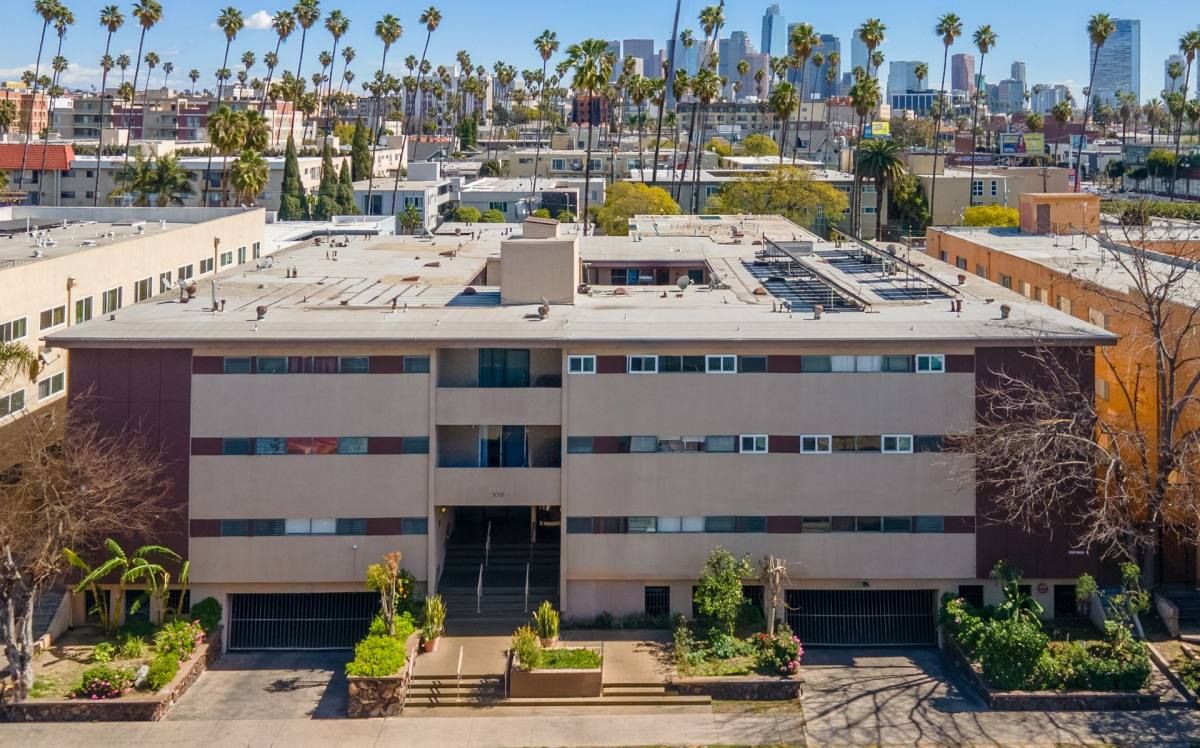
Los Angeles apartment sales have risen sharply this year even though rents have barely moved. Deals for buildings of 50-plus units in Los Angeles County totaled $3.3 billion through the third quarter, up 44% on the same period of 2025, according to Colliers data reported by Commercial Observer, with Colliers tracking the county market and summarized by CRE Daily. The average price slipped to $357,085 per unit. Investors are buying more Los Angeles apartments, but apartment rents are flat for renters.
That combination defines the current Los Angeles apartment market. Los Angeles apartment sales are rising because buyers see value at lower per-unit prices. Rents are flat because new supply and cautious renters limit what landlords can charge. The two trends can exist together when the price of the building falls faster than the rent it collects.
Occupancy held at 94.1% in the third quarter, flat on the prior quarter and a touch below last year's 94.4%. Average effective rent rose just $6 to $2,428 a month, matching its level a year earlier. Effective rent counts concessions such as free weeks, so it reflects what tenants actually pay rather than the asking rent on a listing.
Why Los Angeles apartment sales rose in 2026
Los Angeles apartment sales rose because the price per unit fell while the income from rents stayed steady. A buyer who pays $357,085 per unit for a building that rents at $2,428 a month is buying a steadier income stream than a buyer who paid more per unit a year ago for the same rent. Lower prices bring back buyers who had stayed away when per-unit prices were higher.
The pipeline is thinning, which may support Los Angeles apartment sales over time. A total of 23,426 units were under construction at the end of the quarter, versus 24,877 three months earlier and 25,421 twelve months ago. Since mid-2021, the county has added over 58,800 apartments. A smaller pipeline means fewer new units competing for tenants in the years ahead, which can help occupancy and, in time, rents.
National multifamily sales data point in the same direction, with multifamily starts down 25.9% year over year in September, a sign fewer new apartments are on the way.
How Los Angeles apartment sales differ by submarket
Los Angeles apartment sales and rents differ sharply by submarket, and the third-quarter data show that split clearly. The Westside remains the priciest area at $3,336 a month in effective rent, yet occupancy is only 92.9%. It also carries the biggest pipeline, with 5,894 units in progress. High rents and a large pipeline sit together on the Westside, which keeps occupancy below the county average.
Hollywood and Mid-Wilshire averaged $2,355 in effective rent with 92% occupancy and led deliveries at 1,869 units, with another 5,113 underway. Those areas added the most new supply in the quarter, and they have more still to come. Downtown and Central Los Angeles had the lowest occupancy at 91.7%, though that is up 1.1 points from a year ago. Downtown occupancy is improving from a low base as tenants return.
South Los Angeles had the tightest market at 96.6% occupancy and $1,996 rents, followed by the South Bay at 95.8% and $2,436. Lower rents and tighter occupancy go together in South Los Angeles, where fewer new units compete for tenants. A buyer looking at South Los Angeles sees fuller buildings and lower rents, while a buyer looking at the Westside sees higher rents and more empty units.
Those differences matter because a county average hides the local story for Los Angeles apartments, where apartment rents vary by submarket.
What flat rents mean for Los Angeles apartment sales next
Flat apartment rents limit what landlords can promise a buyer, and multifamily sales will test that limit a buyer, but lower prices have brought buyers back anyway. Los Angeles apartment sales rose 44% because the price adjusted, not because rents jumped. That is a healthier basis for deals than a rent spike, because the buyer is not paying for income that tenants have not yet agreed to pay.
Financing could limit the pace of Los Angeles apartment sales from here. CRED iQ recently estimated that a $6.8 billion refinance gap exists across maturing apartment debt after the September rate hike. A refinance gap means loans coming due are larger than the new loans lenders will offer at current rates and values. Owners facing that gap may need to sell, refinance with more cash, or accept lower proceeds.