
Measles misdiagnosis found in 7 percent of US cases
A study of insurance records found measles misdiagnosis in 6.9 percent of cases, mostly in outpatient clinics, with an average delay of just over four days.
by Trends DeskNovember 19, 20264 min read
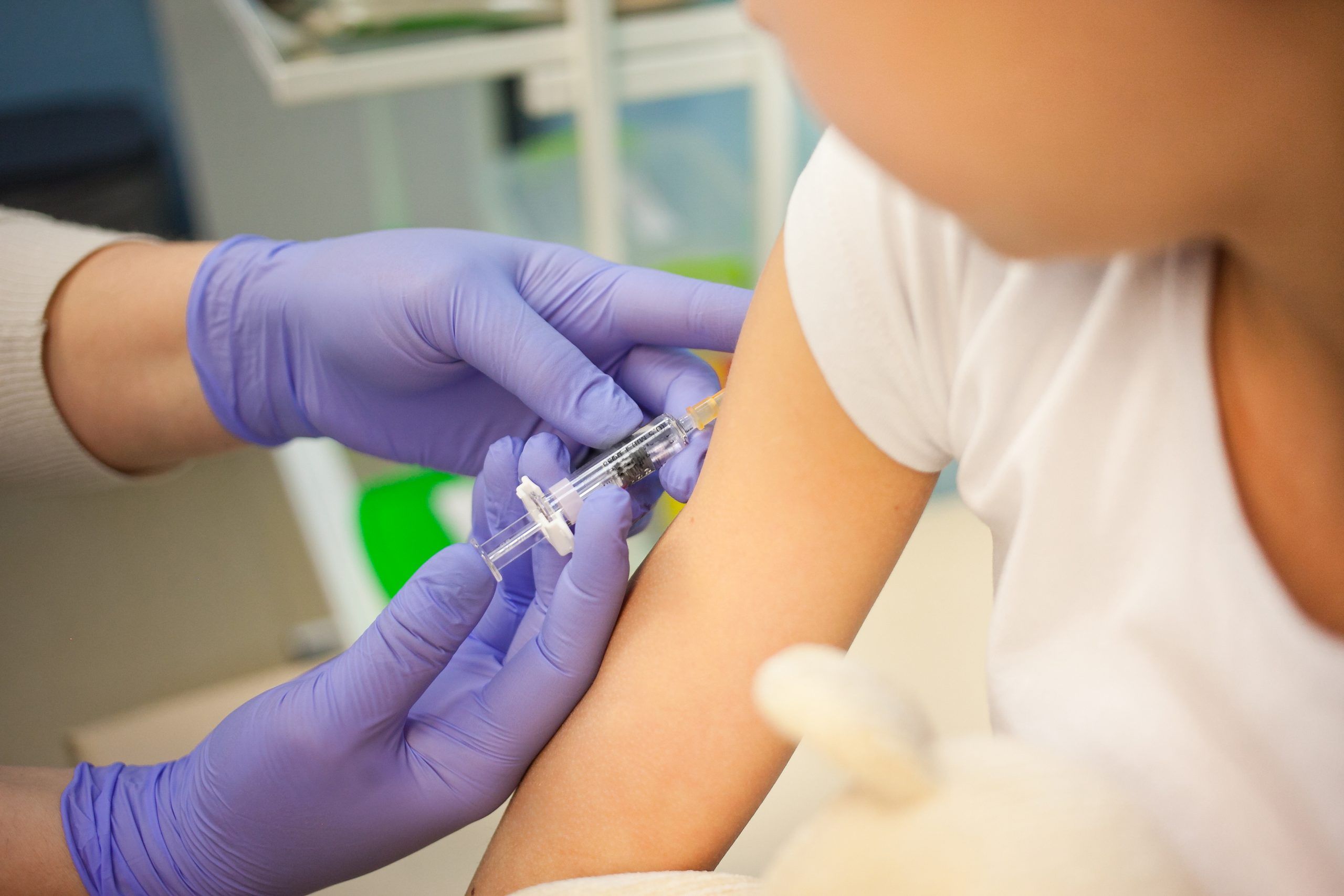
About 7 percent of measles patients in the United States who sought care were affected by measles misdiagnosis at least once in the two weeks before they received the correct one, according to a study in Infection Control and Hospital Epidemiology. University of Iowa researchers studied measles misdiagnosis in records covering 2001 through 2023 and found 381 cases of measles misdiagnosis among 4,651 patients, or 6.9 percent. The average delay was just over four days. The findings were reported on 4 November 2026, during a year in which measles cases in the United States have reached their highest level in more than three decades.
Measles misdiagnosis in outpatient clinics
Outpatient clinics accounted for 81 percent of measles misdiagnosis cases in the study. Emergency departments accounted for 14 percent, and inpatient settings accounted for 3.9 percent. The authors wrote that outpatient clinics often have fewer infection control resources than hospitals. They also wrote that several outbreaks have been linked, at least in part, to delays caused by measles misdiagnosis. A patient waiting for care in a busy clinic can expose others before measles is recognised, since people can spread the virus from four days before the rash appears to four days after it appears.
Early symptoms make measles hard to spot at a first visit. These early symptoms, a high fever, cough, runny nose, and red, watery eyes, look much like a cold or another respiratory virus. The rash that points more clearly to measles does not appear until several days later. A clinician who sees a child early in the illness may have little reason to suspect measles without knowing about an exposure or the vaccination history of the child. The study authors said that pattern helps explain why a first diagnosis can be wrong even when care is sought promptly.
Measles misdiagnosis and children under two
Children younger than two were more likely to be given a wrong diagnosis than older patients. The authors suggested that very young children cannot describe their symptoms, which leaves clinicians with less to work from at an early visit. Patients who received an antibiotic prescription for a respiratory infection were also more likely to have had a missed diagnosis. That finding suggests some patients were treated for a presumed bacterial infection before the correct diagnosis was made. Antibiotics do not work against measles, which is caused by a virus, and an unneeded prescription can cause side effects.
The study has clear limits, and the authors stated them in the paper. The figures are estimates drawn from insurance claims, and the insurance claims also cover only people, not a review of individual medical charts. A missed diagnosis was inferred from earlier claims with other diagnoses, so some cases may have been counted wrongly in either direction. The data also cover only people with private or federal insurance. Uninsured patients, who may delay care or rely on community clinics, are not included, and their experience could differ from the group studied.
What the 2026 surge changes
The study period ended in 2023, when measles was rarer in the United States and many clinicians had never seen a case. Rates of measles misdiagnosis may be different now that outbreaks are widespread and health departments have issued alerts. The study also does not measure how often measles misdiagnosis led to further infections, so it cannot say how much spread followed each delay. The Centers for Disease Control and Prevention had confirmed 4,852 cases in 2026 as of 29 October, more than double the 2,289 reported in all of 2025. About 96 percent of this year's cases are tied to outbreaks, and about 96 percent of patients were unvaccinated or had unknown vaccination status. About 10 percent have been hospitalised.
Health officials advise parents who suspect measles to call a doctor's office, urgent care centre, or emergency department before arriving, so staff can bring the patient in a way that limits exposure to babies and other people at higher risk. It helps to share vaccination records and any known exposure, and to ask directly whether the symptoms could be measles. Two doses of MMR vaccine are about 97 percent effective against measles, and one dose is about 93 percent effective, according to CDC guidance for clinicians. Kindergarten MMR coverage fell to 92.4 percent in the 2025 to 2026 school year, and about 280,000 kindergartners lacked documentation of completing the MMR vaccine series.
Related articles in Health
View all Health →Browse more stories in Health.