
Menopausal hormone therapy may protect brain health
Women who used menopausal hormone therapy showed fewer signs of damage to small blood vessels in the brain, according to a study published in Neurology.
by Trends DeskNovember 19, 20263 min read
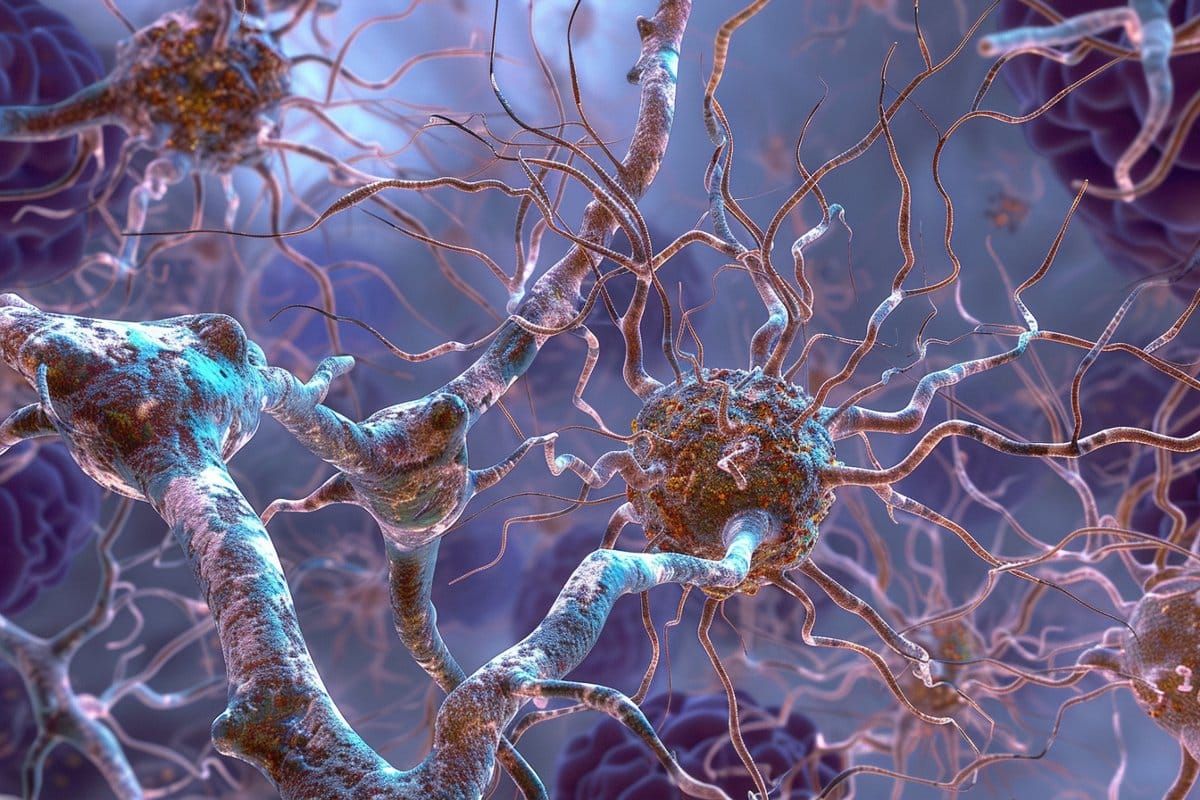
Women who used menopausal hormone therapy may have better brain health as they age, according to a new study. The research, published November 4 in Neurology, found that longer lifetime exposure to estrogen was associated with fewer signs of damage to small blood vessels in the brain. A longer reproductive life span, particularly later menopause, was linked to about 8 percent lower odds of having multiple disease markers.
The researchers drew data from the Gothenburg H70-1944 Birth Cohort, a long-running study of 1,203 individuals born in 1944 who live in Gothenburg, Sweden. The study looked at how reproductive history and hormone therapy relate to signs of small-vessel disease, known as SVD, and to the state of the brain's white matter.
The therapy, also known as hormone replacement therapy, replaces estrogen, often with a progestogen, to treat hot flashes, night sweats and vaginal dryness. Estrogen plays a well-documented role in protecting the brain, yet there is still no approved type and dose of treatment that specifically targets the cognitive symptoms many women notice around menopause.
What the study found on menopausal hormone therapy
Those who used menopausal hormone therapy also tended to have fewer signs of small-vessel disease and better microstructural integrity in the white matter. The links between hormone therapy and brain health differed in some cases depending on genetic and individual health factors, and the researchers said the pattern was not the same for every woman.
The APOE variant finding was the clearest split in the results. In people who carried the APOE variant, which increases a person's risk of Alzheimer's disease, menopausal hormone therapy was associated with greater cortical thickness in brain regions vulnerable to Alzheimer's disease. There was no such link for those without this variant.
Menopausal hormone therapy and dementia risk
The relationship between estrogen and brain health is complex. While the findings suggest that longer estrogen exposure may be associated with healthier brain ageing, they do not establish that hormone therapy can prevent Alzheimer's disease or dementia. Menopausal hormone therapy has not been proven to prevent Alzheimer's disease or dementia.
The result fits with other recent evidence. A meta-analysis commissioned by the World Health Organization, which included data from more than a million women and was published in The Lancet Healthy Longevity, found that menopausal hormone therapy neither increased nor decreased dementia risk. The Food and Drug Administration has removed the black box warning that once cited dementia among the possible complications of hormone therapy.
Hormone therapy has a contested history. In 2002, results from the Women's Health Initiative, the first and only large randomised controlled trial of hormone therapy, suggested that the risks outweighed the benefits. Newer studies have shown lower risks and more benefits for women who start treatment before age 60 and within 10 years of menopause, and the Menopause Society says the benefits outweigh the risks for most healthy symptomatic women in that group. The World Health Organization currently provides no guidance on hormone therapy and dementia risk, leaving a gap for women, clinicians and policymakers.
For women weighing the choice, the researchers said decisions about hormone therapy should focus on symptom relief and quality of life, not fear of cognitive decline. Menopausal hormone therapy remains the most effective treatment for hot flashes and night sweats, and it has been shown to prevent bone loss and fracture. Women considering it should talk with a clinician about their own history and risk factors.
Related articles in Health
View all Health →Browse more stories in Health.