Nvidia Germany AI Investment Push Wins Merz Backing
Chancellor Friedrich Merz urged German firms to embrace artificial intelligence as Nvidia announced new investments at the Invest in Germany Summit.
by Trends DeskOctober 20, 20263 min read
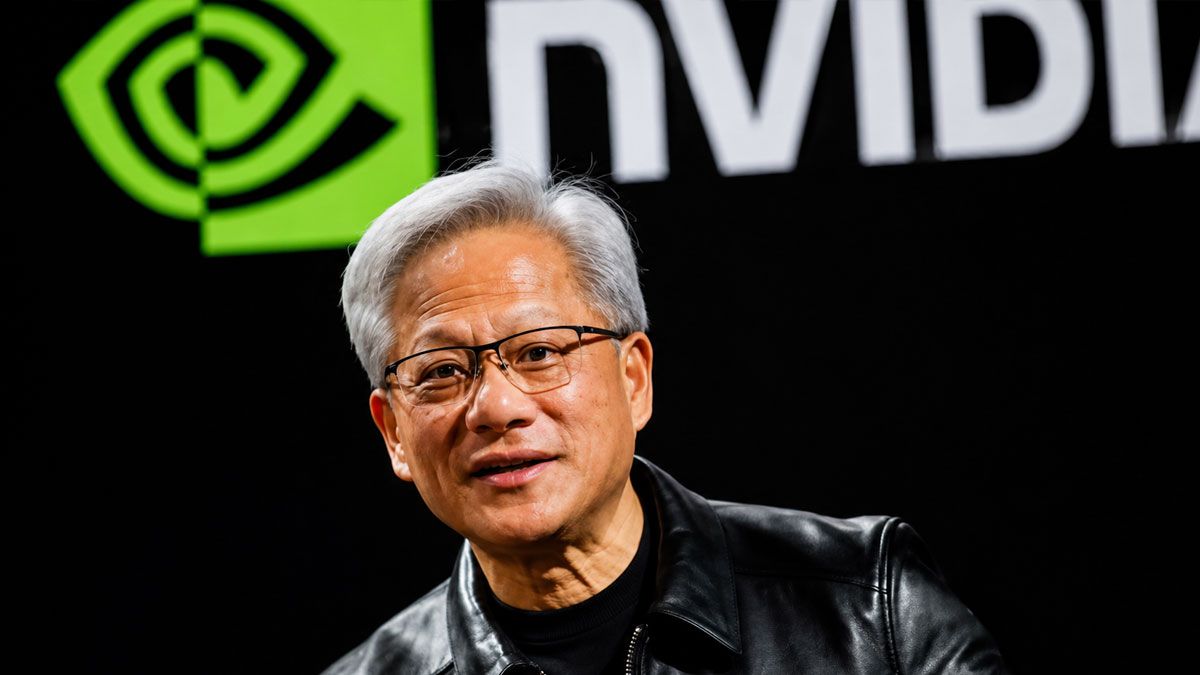
Chancellor Friedrich Merz urged German businesses to open their doors to artificial intelligence on Monday, as the Nvidia Germany AI investment push was the focus at the Invest in Germany Summit in Berlin. Speaking alongside Nvidia chief executive Jensen Huang at a red-carpet event marking the start of the summit, Merz said cooperation with the American chipmaker was key to reviving Europe's largest economy and modernizing its industry.
The Nvidia Germany AI investment drive comes with a direct appeal to corporate leaders. "We are in the midst of a fundamental economic and technological transformation fuelled by exponential progress in artificial intelligence," Merz said, telling business leaders: "Please open your doors for AI to make use of your data." The chancellor stressed that German companies must put their industrial data to work if the country is to stay competitive.
The German economy ministry has signed a memorandum of understanding with Nvidia, the government said, without giving further details. The two sides are expected to announce a partnership to promote artificial intelligence across German industry at the Invest in Germany Summit, which continues on Tuesday. The summit has become Berlin's flagship pitch to global investors as the government seeks to reverse years of sluggish industrial output. The Nvidia Germany AI investment partnership would deepen ties between Berlin and Silicon Valley at a moment when governments across Europe are competing for technology spending.
Money for startups
The Nvidia Germany AI investment includes planned investments in German startups Agile Robots, Avelios Medical, Mirelo and Reflex Aerospace, Nvidia said in a blog post on Monday. Agile Robots works on robotics systems, while the other three span medical technology, software and aerospace. The commitments are part of Nvidia's nearly 10 billion dollar pledge to the technology ecosystem across Europe.
Jensen Huang pointed to the company's existing cooperation with German carmakers, including Mercedes-Benz, which is developing premium robotaxis using Nvidia software. The Mercedes-Benz partnership shows how the chipmaker's technology is already embedded in the country's flagship industry and complements the Nvidia Germany AI investment push. Nvidia's automotive business has become a key bridge between its data center dominance and the European manufacturing base.
A weak economy
The Nvidia Germany AI investment comes as Friedrich Merz faces pressure to deliver growth. Global competition is targeting the country's top auto, chemicals and engineering firms, and the chancellor is under pressure to secure growth amid rising support for the far-right Alternative for Deutschland party. Reviving industrial competitiveness through technology has become a central plank of his economic agenda.
A German group of companies and investors that includes Siemens and Deutsche Bank said in a report that it sees the potential for investment of up to 4.1 trillion euros, about 4.6 trillion dollars, in Germany by 2035 across areas including artificial intelligence, energy and defense. The figure shows the scale of capital that business leaders believe the transformation could unlock, although the memorandum of understanding signed on Monday did not disclose any financial terms. Germany's auto, chemicals and engineering giants have all announced digitalization programs, but executives say access to computing power and skilled engineers remains the binding constraint.
Whether the Nvidia Germany AI investment will be measured in new factories, research labs or startup funding rounds should become clearer as the summit continues on Tuesday. For Merz, the appearance alongside Huang was as much about signaling momentum as about any single deal. The test will be whether Monday's announcements translate into lasting commitments that modernize German industry rather than a one-day show. Analysts will look for concrete timelines rather than headline figures, and the real measure will be new computing capacity and research jobs created in Germany over the next two years.