
Missouri stadium subsidy law survives court challenge
The Missouri Supreme Court rejected a challenge to the Missouri stadium subsidy law, ruling the three challengers lacked standing to bring the suit.
by Trends DeskNovember 19, 20264 min read
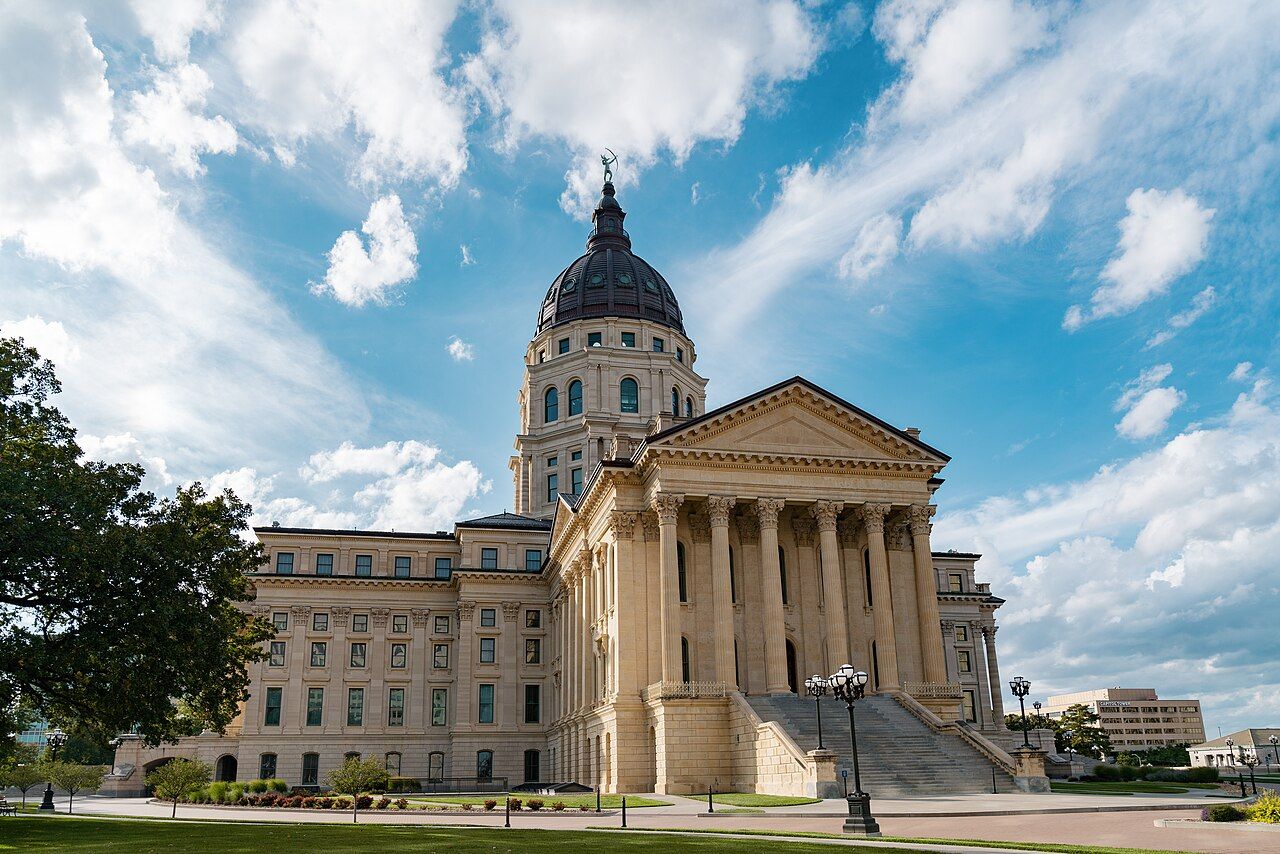
The Missouri Supreme Court on Tuesday rejected a challenge to the Missouri stadium subsidy law, ruling that the three people who brought the suit had no standing to contest it. In a 5-2 decision, the court upheld a Cole County judge's dismissal of the lawsuit filed by state Sen. Mike Moon, state Rep. Bryant Wolfin and conservative activist Ron Calzone. The ruling leaves the Missouri stadium subsidy law intact. The court did not rule on the claim that the law violates the state constitution.
Gov. Mike Kehoe signed the law in June 2025 after calling lawmakers into a special session. Missouri was in a bidding war with Kansas over the Kansas City Chiefs and the Kansas City Royals, and both teams were weighing moves across the state line. The Missouri stadium subsidy law authorized state aid worth up to half the cost of qualifying stadium projects, along with tax incentives and property tax relief.
Moon, Wolfin and Calzone argued that lawmakers broke several rules in the Missouri Constitution when they passed the measure. They said the Missouri stadium subsidy law covered more than one subject, lacked a clear title and strayed from its original purpose. They also said public money should not go to benefit private businesses. The court never reached those questions. It ruled first on whether the three challengers had the right to sue at all.
Writing for the majority, Judge Robin Ransom said the challengers had failed to show a direct expenditure of taxpayer money, which Missouri law requires for taxpayer standing. The challengers pointed to a fiscal analysis prepared while lawmakers considered the bill. It estimated the Missouri Department of Revenue would spend $10,000 creating a tax form and $175,000 on computer programming to carry out parts of the law. Ransom rejected that argument, finding the estimates were speculative rather than evidence of money already spent. "Projections are not equivalent to the requirement that a sum be paid out," she wrote.
The majority also rejected the argument that the subsidies under the Missouri stadium subsidy law gave the challengers standing. Any state spending on a stadium, Ransom wrote, would require several more steps, including an application from a team, approval by the state, a commitment from local government and an appropriation by lawmakers. The court also reaffirmed a 2011 precedent holding that tax credits generally do not count as direct government spending for taxpayer standing, because the state is collecting less money rather than spending money from the treasury.
How the Missouri stadium subsidy law case reached the court
The lawsuit was filed last year, after Mike Kehoe signed the law. Cole County Circuit Judge Christopher Limbaugh dismissed the case in January without considering its constitutional claims. The challengers appealed, and the Supreme Court heard arguments in September. One week after Limbaugh's ruling, the court decided a separate case, Nicholson v. State, in which it found that a taxpayer had standing to challenge a different 2025 law because carrying it out required the state to spend public money. The challengers' lawyer, Bevis Schock, argued that taxpayers should not have to wait until money has left the treasury if spending is likely. The state read Nicholson more narrowly, pointing out that the attorney general had already acted under the law in that case.
What the Missouri stadium subsidy law decision means next
Judge Paul Wilson dissented, joined by Judge Mary Russell. The majority opinion did not address whether the law itself is constitutional, so that question remains open if a challenger with standing brings it. For now, the teams can proceed under the Missouri stadium subsidy law Mike Kehoe signed in June 2025, and no stadium money has been spent under it yet. A team must first apply, the state must approve the project, local government must commit its share, and lawmakers must appropriate the funds.
The decision keeps the law on the books while the Kansas City Chiefs and Royals weigh their stadium plans. Kansas remains in the picture, and Missouri lawmakers passed the measure to keep both teams in the state. The ruling settles who can challenge the Missouri stadium subsidy law in court. It does not settle whether the law itself is constitutional.
Related articles in Law & Government
View all Law & Government →Browse more stories in Law & Government.