
Moderna patent defense tested in $1.3bn court fight
Moderna faces a $1.3 billion payment if an appeals court rejects its argument that COVID vaccines made for the government are shielded from patent claims.
by Trends DeskNovember 19, 20263 min read
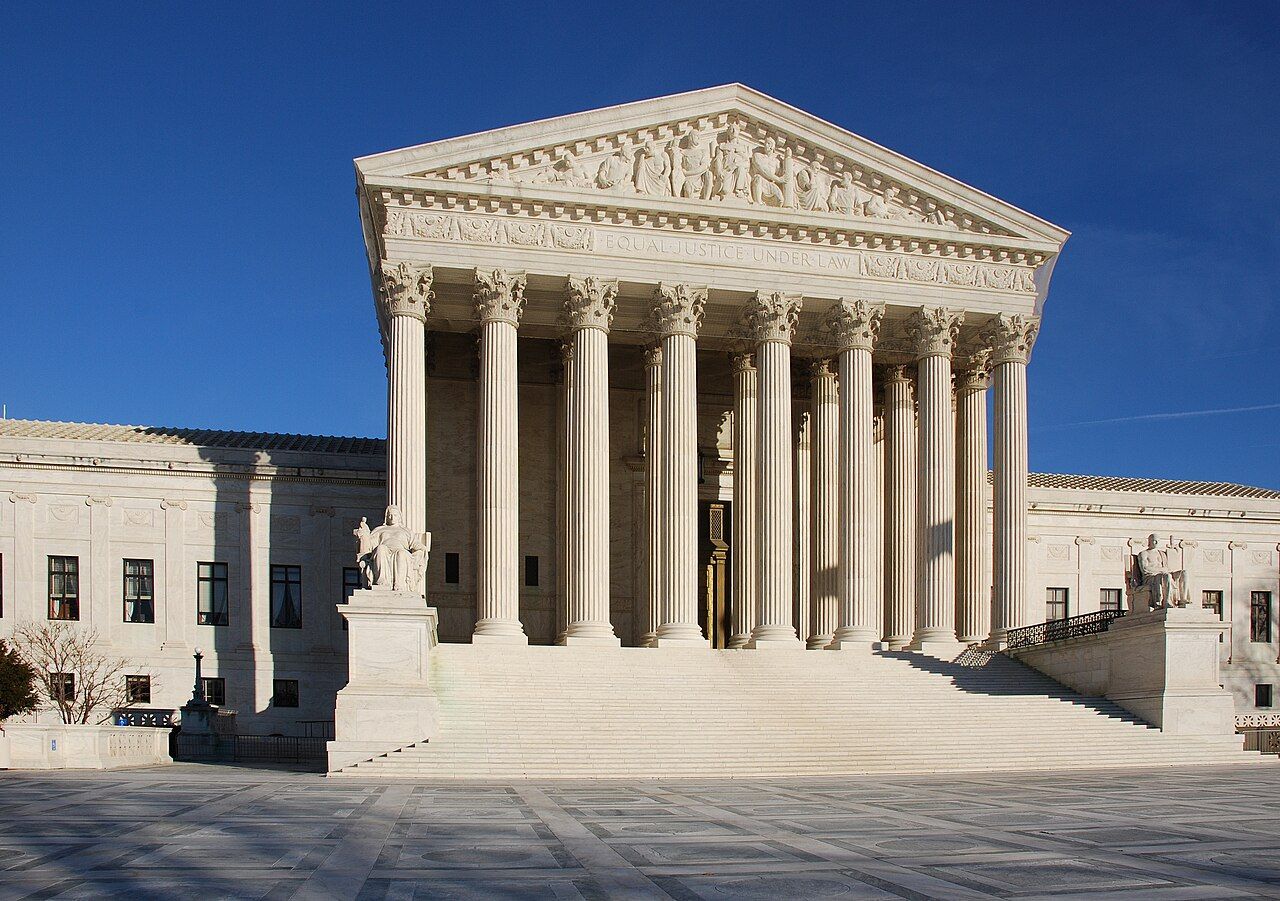
US judges pressed Moderna on Thursday over a legal defence that could decide whether the drugmaker pays an extra $1.3 billion in a COVID-19 vaccine patent dispute. A three-judge panel of the US Court of Appeals for the Federal Circuit heard argument on the Moderna patent defense, which turns on a federal law that shields companies making products for the government. The judges questioned lawyers for Moderna, Arbutus Biopharma and Genevant Sciences about whether a lower court ruling against the company should stand.
What the Moderna patent defense claims
Arbutus Biopharma and Genevant Sciences sued Moderna in 2022, alleging it used their patented lipid nanoparticle technology in its Spikevax COVID-19 vaccine without a licence. The two companies reached a settlement with Moderna in March. Moderna paid Arbutus Biopharma and Genevant Sciences $950 million in July, but the deal includes a further $1.3 billion payment if the Federal Circuit rejects the Moderna patent defense.
The defence rests on 28 U.S.C. 1498(a), a law that says the owner of a patent used or made for the United States must seek payment from the government in the US Court of Federal Claims, rather than suing the contractor. The patents cover lipid nanoparticle technology used to deliver the vaccine. Moderna argues its Spikevax COVID-19 vaccines were made as part of the federal government's Operation Warp Speed programme, and that the United States should therefore be the defendant. The government bought about 500 million doses from Moderna and gave them to the public.
Why the Moderna patent defense faces questions
US District Judge Joshua Wolson largely rejected the Moderna patent defense in February, ruling that the government-supplier defence did not apply. The Federal Circuit panel pressed both sides on what it means for a product to be made "for the United States" when the doses were bought by the government but given to members of the public. Arbutus argues Moderna should pay for 494 million of the doses, which the government bought but gave to the public rather than using for federal employees.
The US Department of Justice backed Moderna's position and warned that a ruling against the company could have serious consequences for federal contracting. Government lawyers told the court the prospect of patent liability for Moderna was "devastating" for companies that supply products for government programmes. The government has backed Moderna throughout the appeal, arguing that vaccine doses supplied through a federal programme should not leave the supplier liable. The Moderna patent defense matters beyond this case because the same law covers contractors across many sectors, from defence to health.
What the Moderna patent defense ruling will decide
If the appeals court accepts the defence, the case would move to the Court of Federal Claims, with the United States as the defendant and the government paying any compensation owed to Arbutus and Genevant. If the court rejects it, Moderna will owe the extra $1.3 billion under the settlement. The settlement was reached in March, before the appeal was heard, and it left the $1.3 billion question open. Both sides agreed the damages tied to the government-bought doses would be $1.3 billion if Arbutus prevails. The Moderna patent defense therefore decides who pays, rather than whether the patents were infringed.
The judges gave no sign of when they will rule. The hearing on 5 November was the latest step in a dispute that began in 2022 and has already produced a $950 million payment. For now, Moderna and the government are waiting on the same question the panel spent the hearing on: whether half a billion vaccine doses bought for the public count as made for the United States. The Moderna patent defense will stand or fall on the answer.
Related articles in Law & Government
View all Law & Government →Browse more stories in Law & Government.