NAR economist cuts 2026 housing forecast sharply
Lawrence Yun now expects existing-home sales and prices to grow 2 percent or less in 2026, after mortgage rates stayed above 7 percent since late September.
by Trends DeskOctober 25, 20264 min read
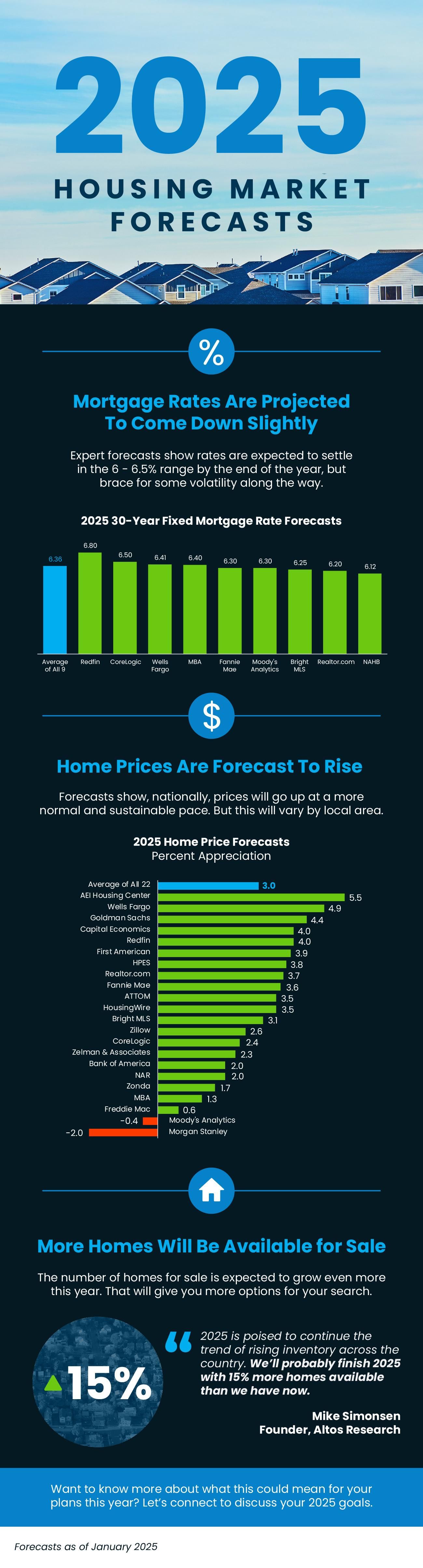
National Association of Realtors Chief Economist Lawrence Yun has sharply revised his 2026 housing forecast downward. Yun now expects existing-home sales and prices to grow around 2 percent or less in 2026, compared with 2025. That is a steep change from his 14 percent sales growth projection last November. The 2026 housing forecast is now built on higher mortgage rates, and Yun said rates are the main reason for the revision.
Yun told Realtor.com that markets are constantly changing, with some changes helping housing and others hurting it. He said the big unpleasant event over recent months is the fast rise in mortgage rates, which further dented the market outlook. He had first predicted mortgage rates would average around 6.5 percent for the year. Instead, rates have climbed and have stayed above 7 percent since the last week of September. That shift changed the maths for buyers, because a higher rate raises the monthly payment on the same loan amount.
How the 2026 housing forecast changed
The 2026 housing forecast did not change in one step. Last November, Yun projected existing-home sales would rise 14 percent in 2026 from the three decade low reached last year, while forecasting that median prices would grow by 4 percent. By April, he had already tempered expectations, projecting that sales volume would rise just 4 percent from last year. The latest revision takes that figure down again, to growth of 2 percent or less for both sales volume and prices.
Yun cited high interest rates, inflation, and growing economic instability linked to the Iran war as factors shaping his outlook. Those factors work in different ways. High rates raise borrowing costs at once. Inflation squeezes household budgets and can push central banks to keep short term rates higher. Instability linked to war can push bond investors to demand higher long term rates, which in turn feed into mortgage rates.
For new homes, the outlook is weaker still. Yun projects new-home sales will decrease by 5 percent year over year. That forecast matters for builders, because new-home sales measure demand for homes they build. A fall of 5 percent would mean fewer contracts for new homes than in 2025, even before any change in prices. Builders facing higher construction loan costs may therefore find it harder to start new projects, and some may slow work until sales improve.
Mortgage rates and the 2026 housing forecast
Mortgage rates sit at the centre of the revised 2026 housing forecast. At the Mortgage Bankers Association annual conference earlier in October, MBA Chief Economist Mike Fratantoni predicted mortgage rates would remain around 7.3 percent for the rest of the year and hover above 7 percent through 2027. Fratantoni said inflation is too high, leading central banks to raise short term rates, while budget deficits and debt are unsustainably high, leading bond investors to push up longer term rates. That view lines up with Yun's point that rates, rather than a lack of homes alone, are holding sales back.
The revision also shows how quickly the 2026 housing forecast can move when rates move. The 2026 housing forecast at 14 percent sales growth assumed rates near 6.5 percent on average. A forecast of 2 percent or less assumes rates above 7 percent for a sustained period. The difference between those two rate paths is less than one percentage point on paper, but it changes monthly payments by a large amount on a typical home loan. For buyers on the edge of affordability, that change can be enough to delay a purchase.
What buyers and sellers should take from the forecast
For buyers, the revised forecast does not mean prices are set to fall. Yun still expects prices to grow by 2 percent or less, not to drop. That means buyers who wait for a large price fall may wait a long time, while buyers who can afford the current payment may find sellers more willing to negotiate. For sellers, the forecast points to a slower market, where pricing and timing matter more than they did when sales were rising fast.
The forecast is a guide, not an outcome. Yun has revised it twice already this year, from 14 percent to 4 percent and then to 2 percent or less. Another move in rates, inflation or the wider economy could lead to another revision. Readers should treat the 2026 housing forecast as Yun's current view given rates above 7 percent.