New Home Sales Plunge 12% to Slowest Pace Since 2020
New home sales fell 12% in September to 584,000, the slowest since April 2020, as higher mortgage rates froze demand for newly built homes.
by Trends DeskOctober 19, 20263 min read
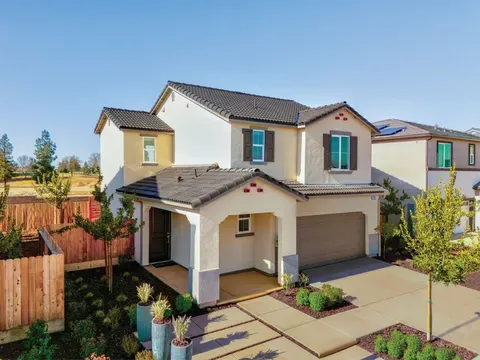
Sales of newly built homes fell sharply in September as higher borrowing costs sidelined buyers across the country. New home sales dropped an estimated 12 percent from August to a seasonally adjusted annual rate of 584,000, according to the Mortgage Bankers Association — the weakest pace since April 2020, when the pandemic first froze the market. The decline underscores how sensitive buyers remain to even modest moves in financing costs during the seasonally slower fall season.
The September slump capped a difficult late-summer stretch for new construction. Mortgage applications for newly built homes declined 8.3 percent compared with a year earlier and were down 8 percent from August, MBA data show. The pullback suggests that demand for new construction is cooling just as builders head into the slowest months of the year.
New home sales hit slowest pace since April 2020
The MBA's deputy chief economist, Joel Kan, said the September increase in borrowing costs was the decisive factor. "The increase in mortgage rates in September had a chilling effect for new home purchase activity," Kan said. With rates hovering near multi-year highs, many prospective buyers appear to be waiting on the sidelines rather than locking in monthly payments they can barely afford.
The weakness in the new construction market mirrors a broader cooling across the housing market. Existing-home sales have also struggled through the fall, and home builders now face the prospect of carrying more unsold inventory into the winter months, traditionally the slowest season of the year.
Builders may turn to incentives as new home sales stall
Slower sales could push home builders to sweeten deals to move standing inventory. Economists expect builders to lean harder on incentives such as mortgage rate buydowns, closing cost assistance, and free upgrades — tools that lower a buyer's monthly payment without cutting the headline price of a home.
Rate buydowns have become a signature strategy for the nation's largest home builders during the rate shock. By paying upfront to reduce a buyer's interest rate for the first year or two of the loan, builders can bridge the affordability gap while protecting their margins — at least until demand for new homes recovers.
Whether those incentives are enough remains an open question. The housing market has now absorbed months of elevated mortgage rates, and each fresh uptick in borrowing costs tests buyers' resolve. For now, the September data suggest the fall selling season will be an uphill climb for sellers of newly built homes.
The September figures arrived alongside other signs of a slowing fall market. Pending home sales also fell, and the share of listings with price reductions reached a four-year high, giving buyers more negotiating power. For sellers of new homes, that means competing not only with other builders but with motivated owners of existing homes willing to cut prices.
Looking ahead, much depends on the direction of borrowing costs. If rates stabilize or drift lower into year-end, some sidelined buyers could return and give the housing market a modest lift. But if rates climb further, builders may have little choice but to deepen discounts — a painful prospect after years of strong pricing power.
The downturn is also reshaping how lenders view the new-build segment. Purchase applications for newly built homes are a leading indicator of future sales, and the 8.3 percent annual decline in September points to continued softness in the months ahead. Lenders say purchase demand remains highly sensitive to rate movements, with application volumes swinging on weekly rate changes.
For prospective buyers, the slowdown carries a silver lining. With sales at their weakest in more than six years and builders eager to move inventory, shoppers willing to stay in the market may find developers increasingly open to negotiation. Rate buydowns, closing cost credits, and design upgrades are all on the table as builders fight to keep their pipelines moving through the winter.